Table of Contents
Let’s be honest. Most school art projects involving “upcycled materials” are just exercises in gluing junk to other junk. We call it learning about sustainability, but it’s mostly just a way to kill a wet Friday afternoon and produce something lumpy for the fete. It’s a box-ticking exercise in green-washing our curriculum.
A community project in Canada just quietly exposed how thin that all is.
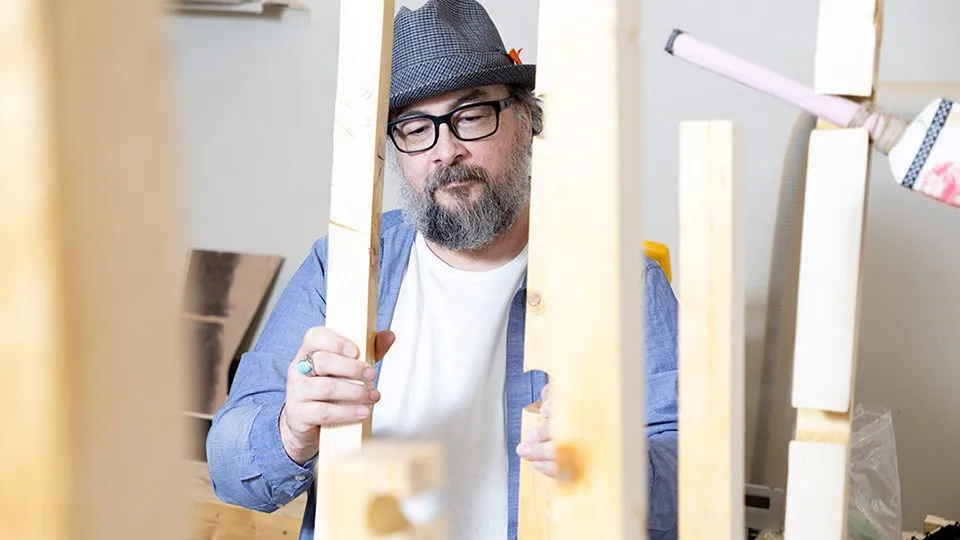
At the University of Saskatchewan, a Bachelor of Fine Arts student named Ryan Richard, who is Métis, led a collaborative project called ‘kihtwâm âpacihtâwin’. In Cree, that means ‘using again/re-purposing’. For two weeks, Richard and the university’s Indigenous Student Achievement Pathways programme invited people to come into a gallery and make art from refuse.
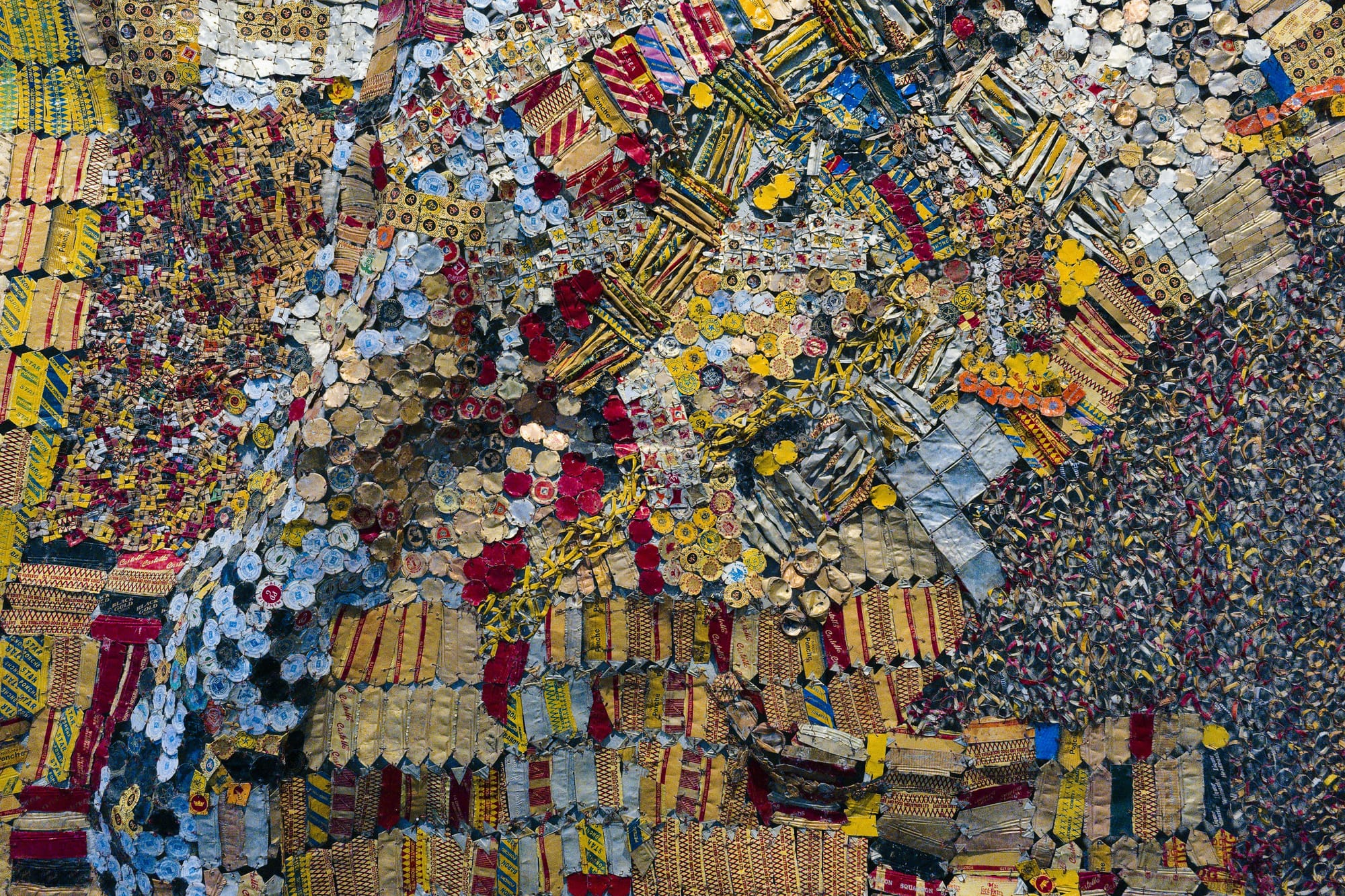
So far, so familiar. But here’s the difference. This wasn’t about making a colourful collage out of bottle caps. The entire project was framed by Indigenous star knowledge. Participants weren’t just reusing materials. They were embedding them with stories of personal renewal, guided by cosmologies that have understood the cycles of death and rebirth for millennia.
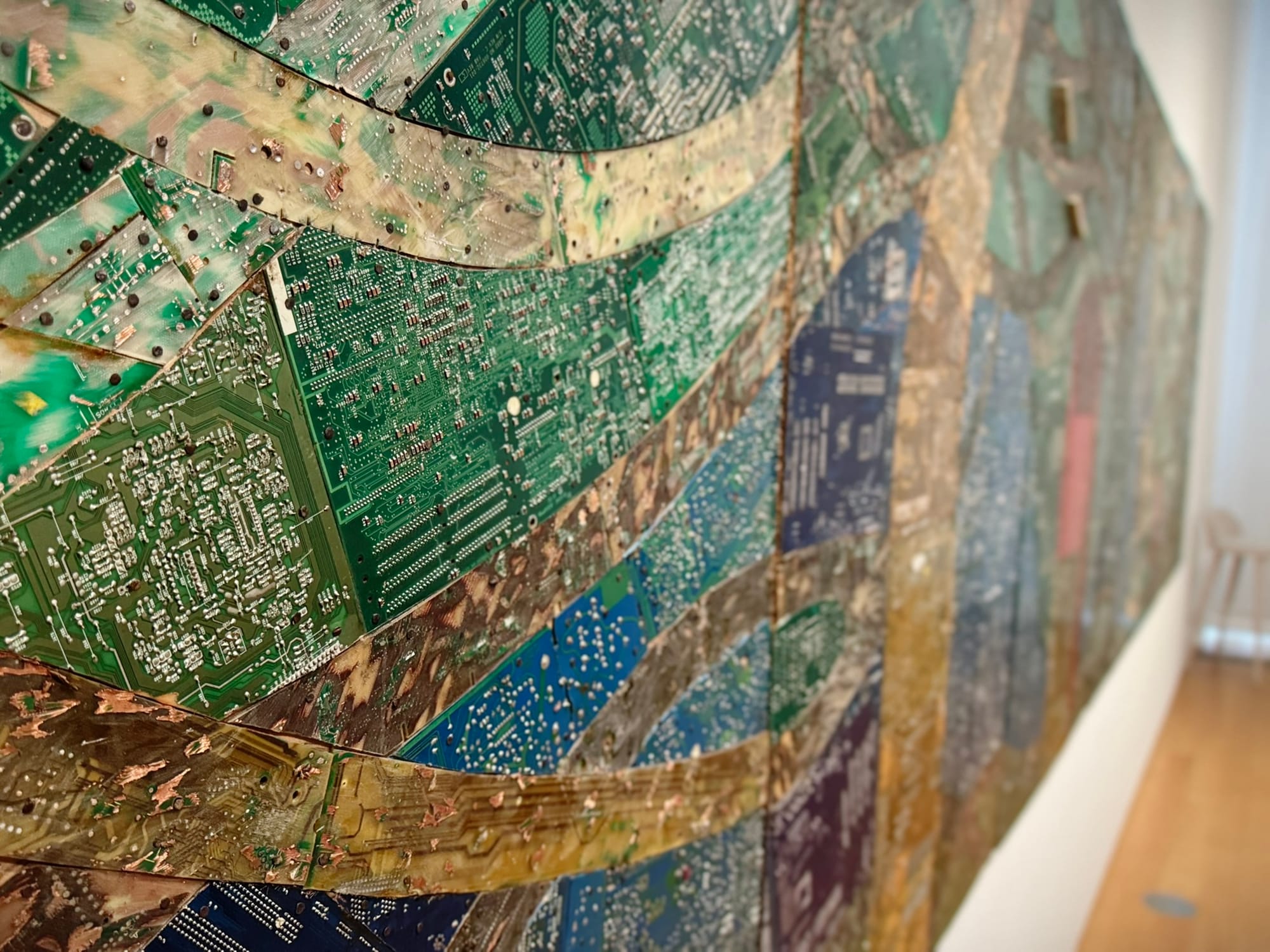
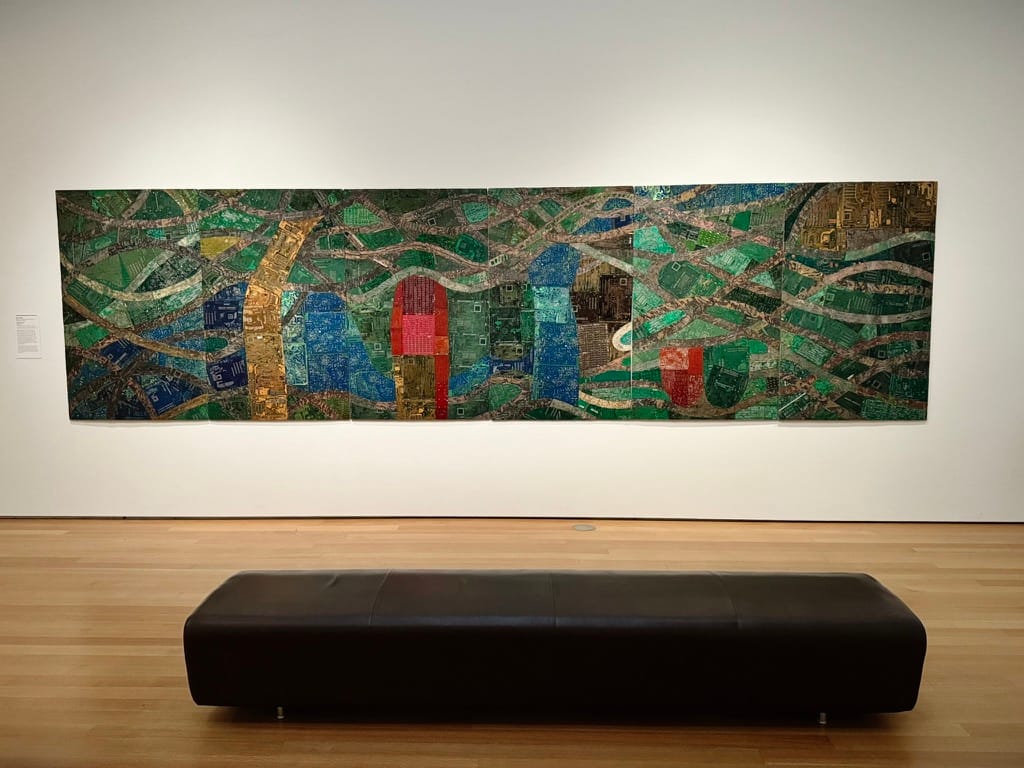
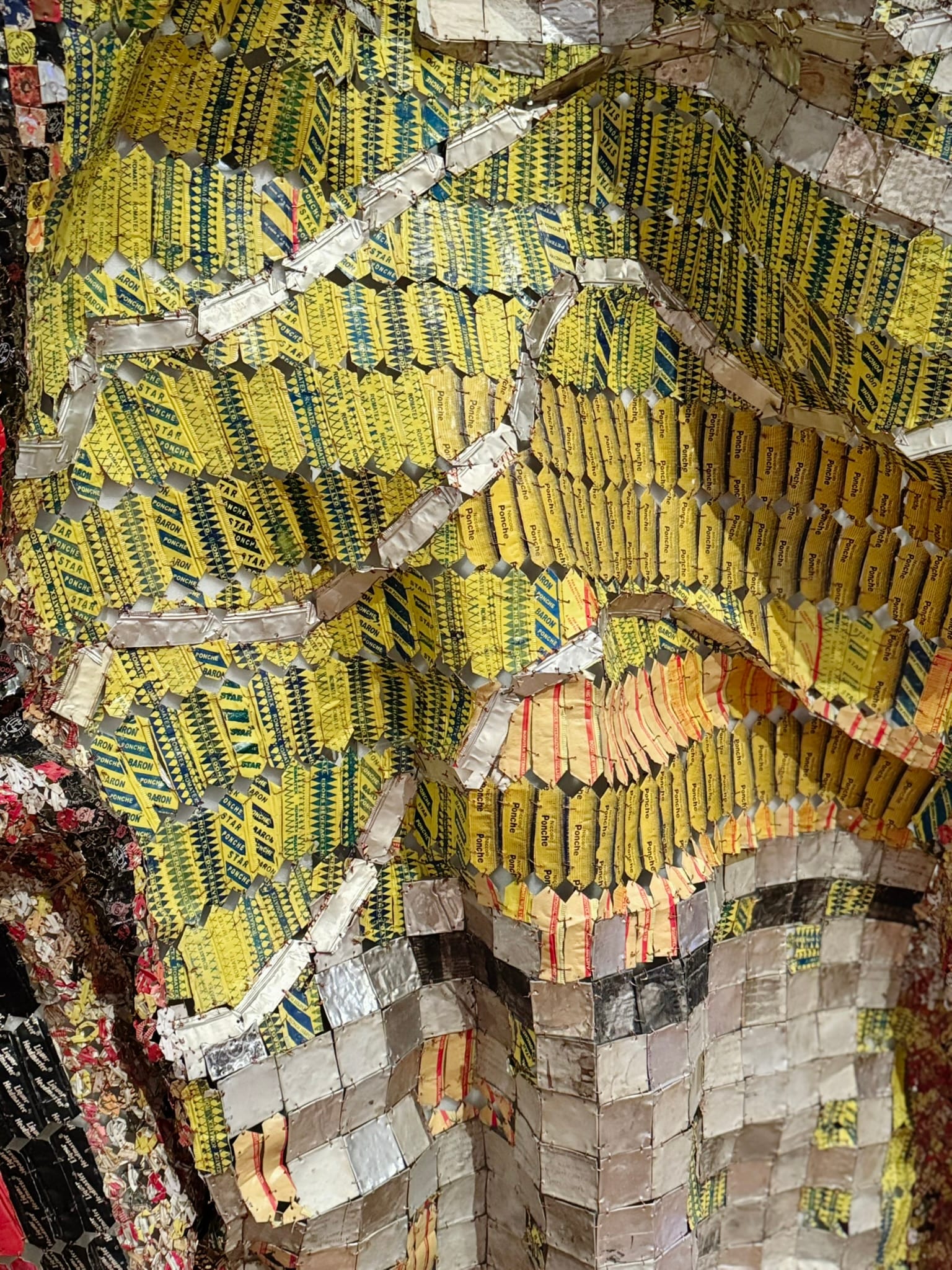
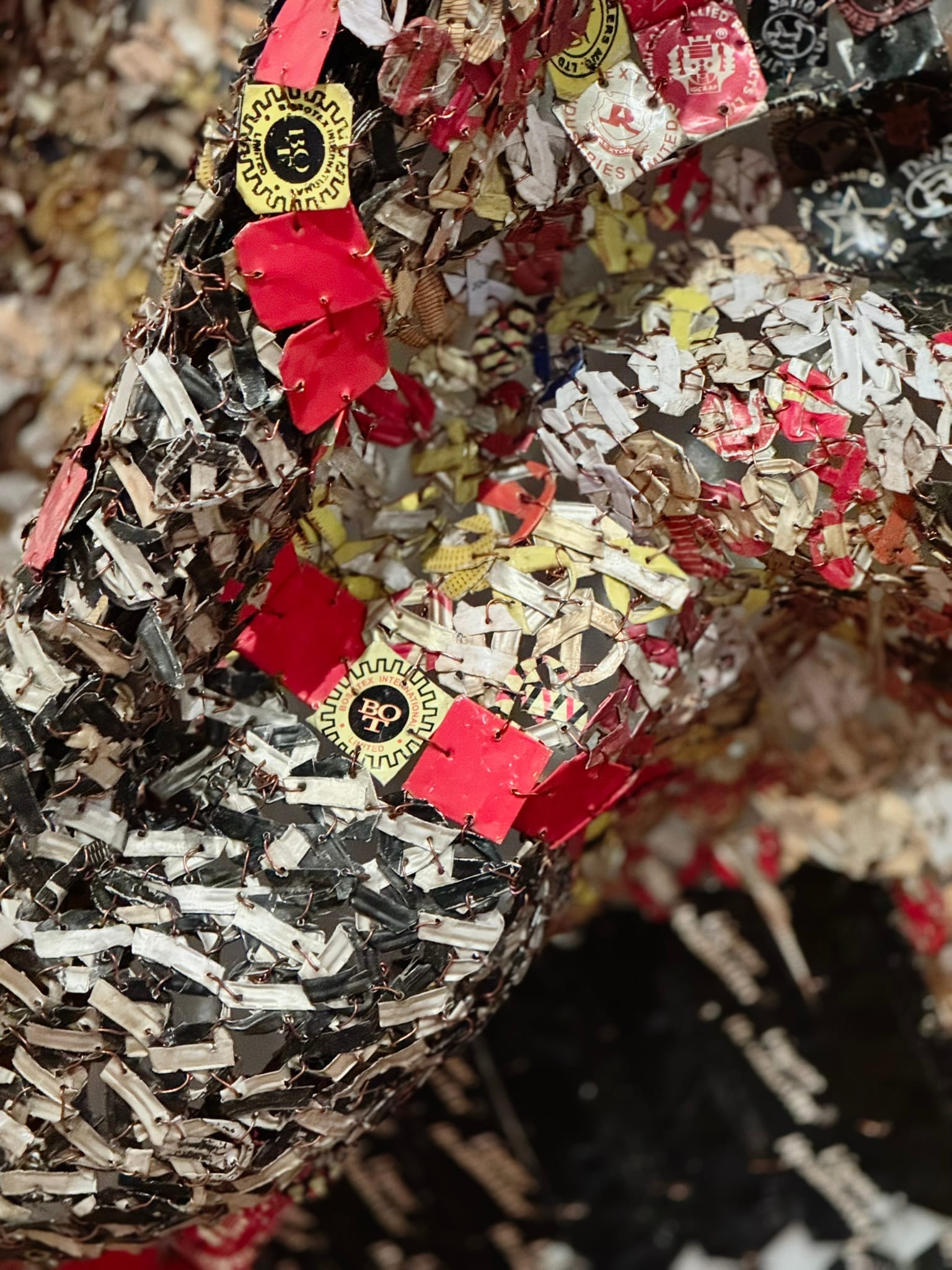
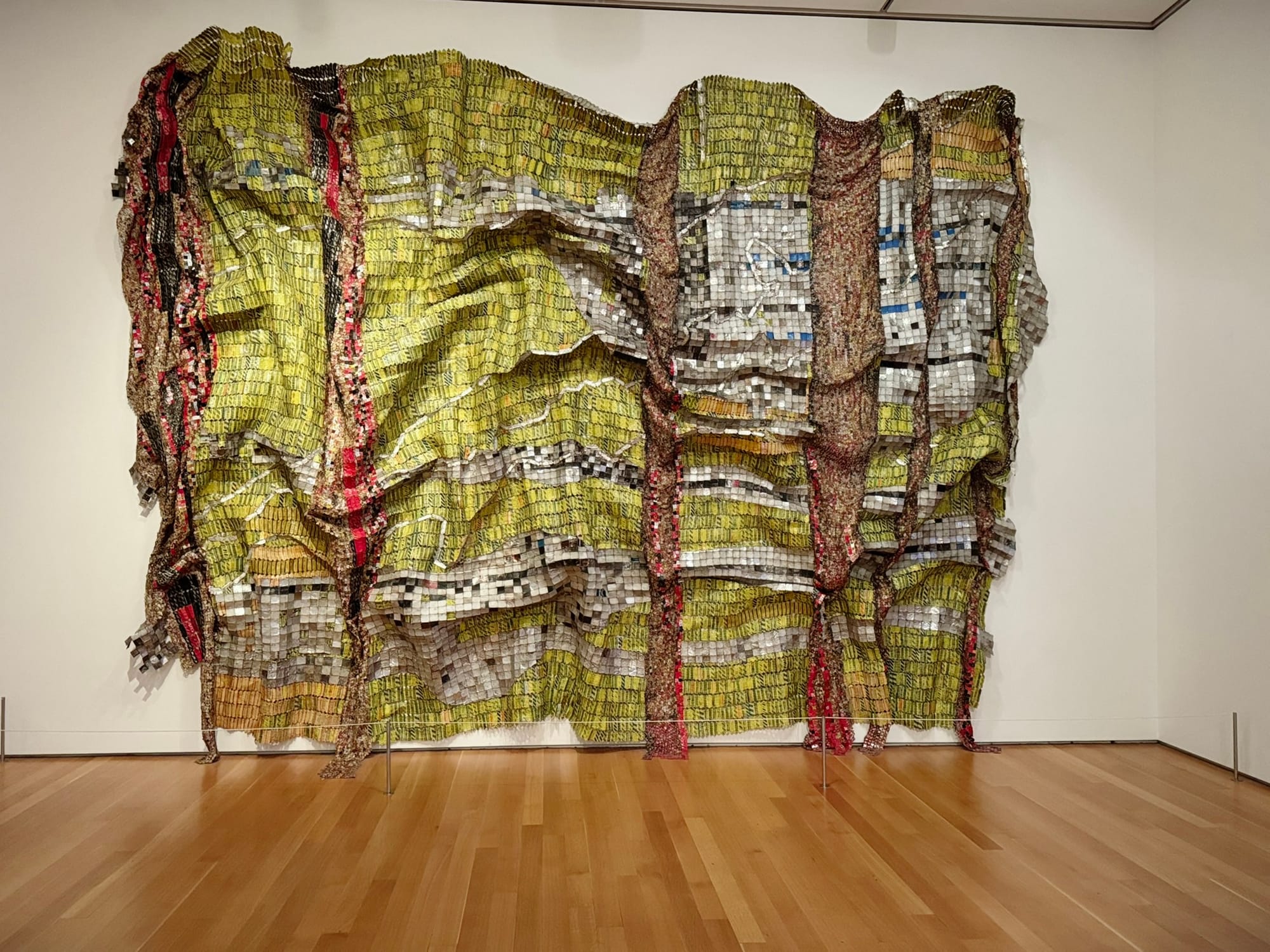
Suddenly, a discarded plastic bottle isn’t just a piece of rubbish. It’s a component in a larger story. It’s a fallen star being given a new constellation. The act of making isn’t about distracting kids for an hour. It’s about connecting the most humble, discarded objects on earth to the most profound patterns in the sky.
This project lands a direct hit on the shallow way we often teach sustainability. We treat it as a new problem, a modern crisis requiring technical solutions. What Richard’s project demonstrates is that sustainability is an ancient form of knowledge. It’s a worldview, not a recycling programme. It’s about seeing value and potential where a disposable culture sees only landfill.
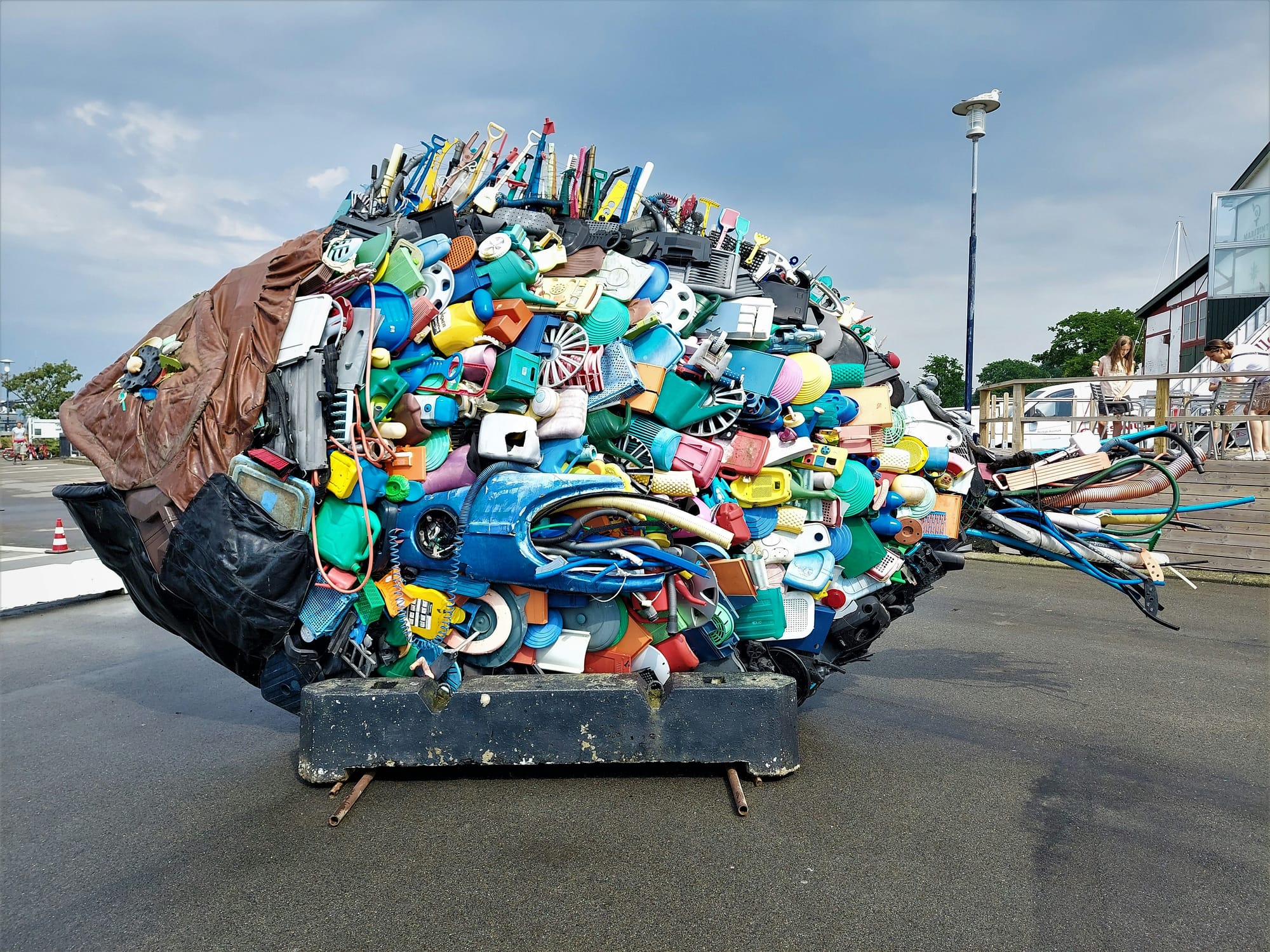
It’s a powerful model for any educator. It asks us to stop seeing upcycling as a materials challenge and start seeing it as a storytelling opportunity. It suggests that the most important thing we can reuse in the art room isn’t the cardboard tube, but the deep, cyclical stories that teach us how to live on a planet that gives and takes in equal measure.
So, is your next sustainability project just busywork, or is it telling a story that matters?