Table of Contents
The email that landed in President José Padilla's inbox was scorching, even by the standards of academic disputes. "For Valparaiso University's Museum of Art to have my name has conferred a high honour on me," wrote 97-year-old Richard Brauer, "but with this sale it will wrongly reflect my approval of its utterly disgraceful, irreparably existentially diminishing, unethical and seemingly unnecessary, museum art collection sale actions!"

The target of Brauer's fury? Valparaiso University's decision to close the museum bearing his name, dismiss its director, and auction off masterpieces worth over $20 million—all to fund dormitory renovations. It's a story that reveals how quickly cultural stewardship can crumble when universities face financial pressure, and how ideological tests for art have crept back into academic settings that should champion free expression.
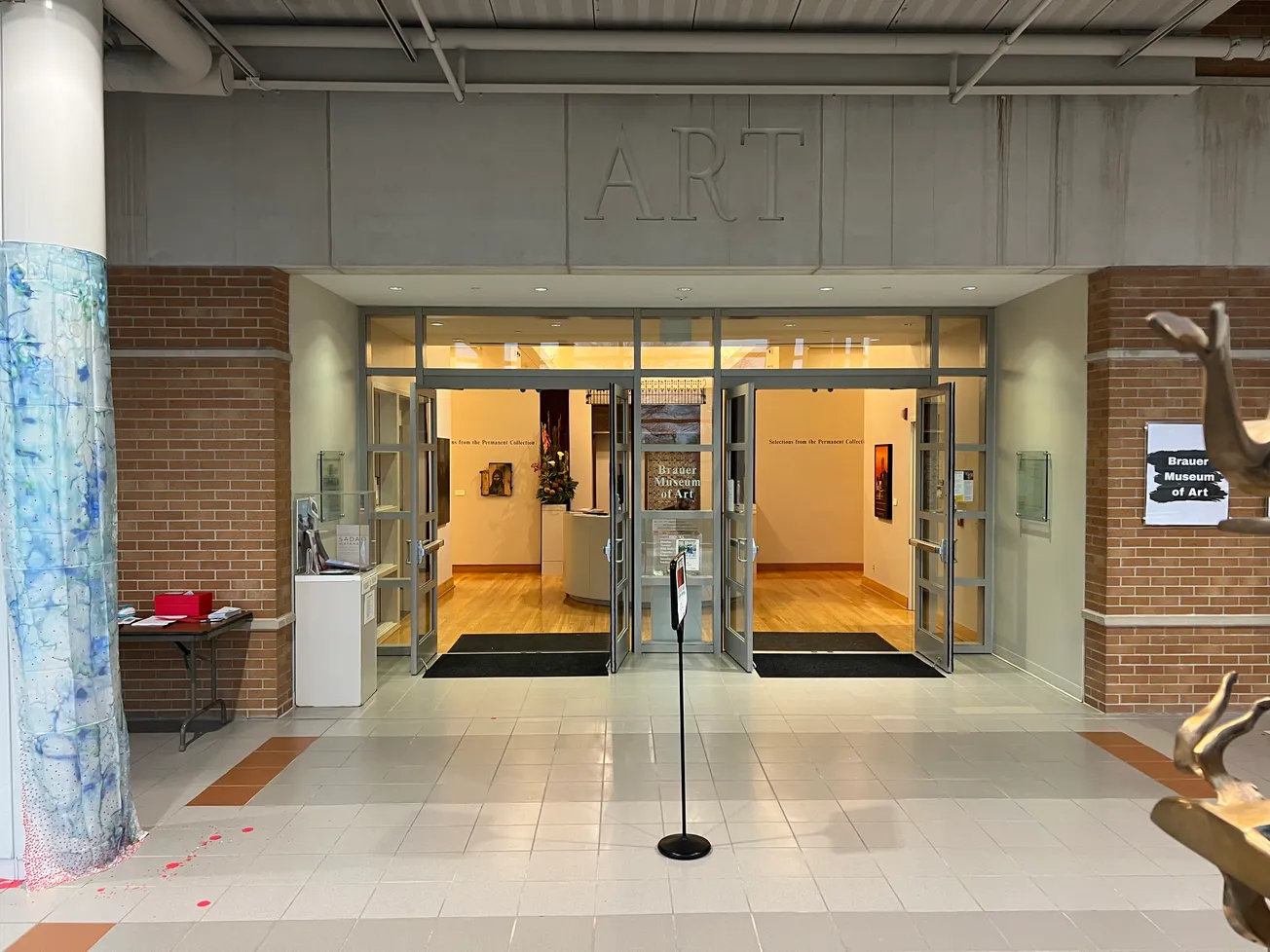
The Brauer Museum of Art stands as a testament to what modest beginnings can achieve. In 1953, Percy H. Sloan, a Chicago public school teacher, donated 400 artworks and $188,000 to establish an art collection at what was then a small Lutheran university in northwest Indiana. The stipulation seemed straightforward: create a teaching collection of "conservative" American art for student enrichment.
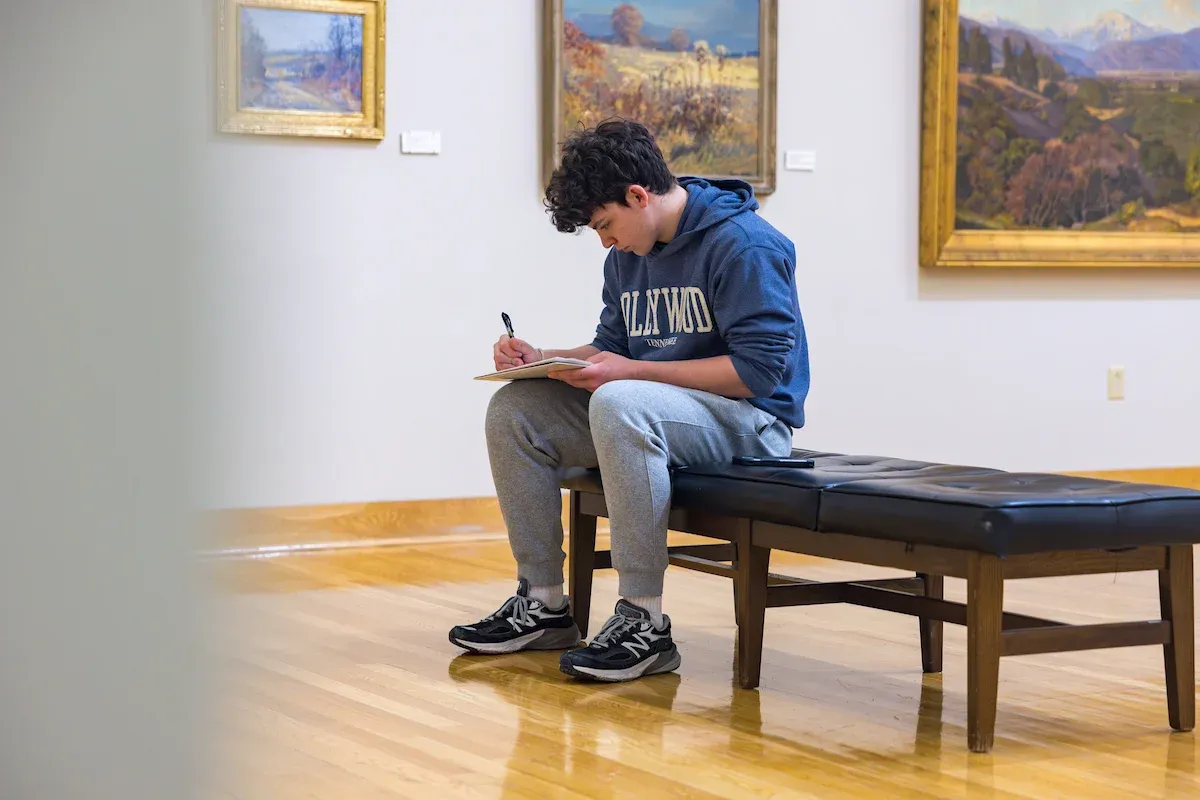
Over seven decades, that seed grew into something remarkable. The museum expanded to occupy 17,000 square feet in Valparaiso's Centre for the Arts, housing over 5,000 works. The collection included major pieces by Georgia O'Keeffe, Frederic Edwin Church, Childe Hassam, and dozens of other significant American artists. Under various directors, but particularly during Richard Brauer's foundational tenure, it became a cultural anchor for the region—a place where students could encounter original masterworks without travelling to Chicago or beyond.
Then came the crisis years. Between 2018 and 2023, Valparaiso's enrolment plummeted from 4,500 to fewer than 2,800 students. The university faced a $9 million annual deficit. In February 2023, President Padilla announced what he framed as a painful but necessary decision: the university would sell three cornerstone paintings to fund desperately needed infrastructure improvements.
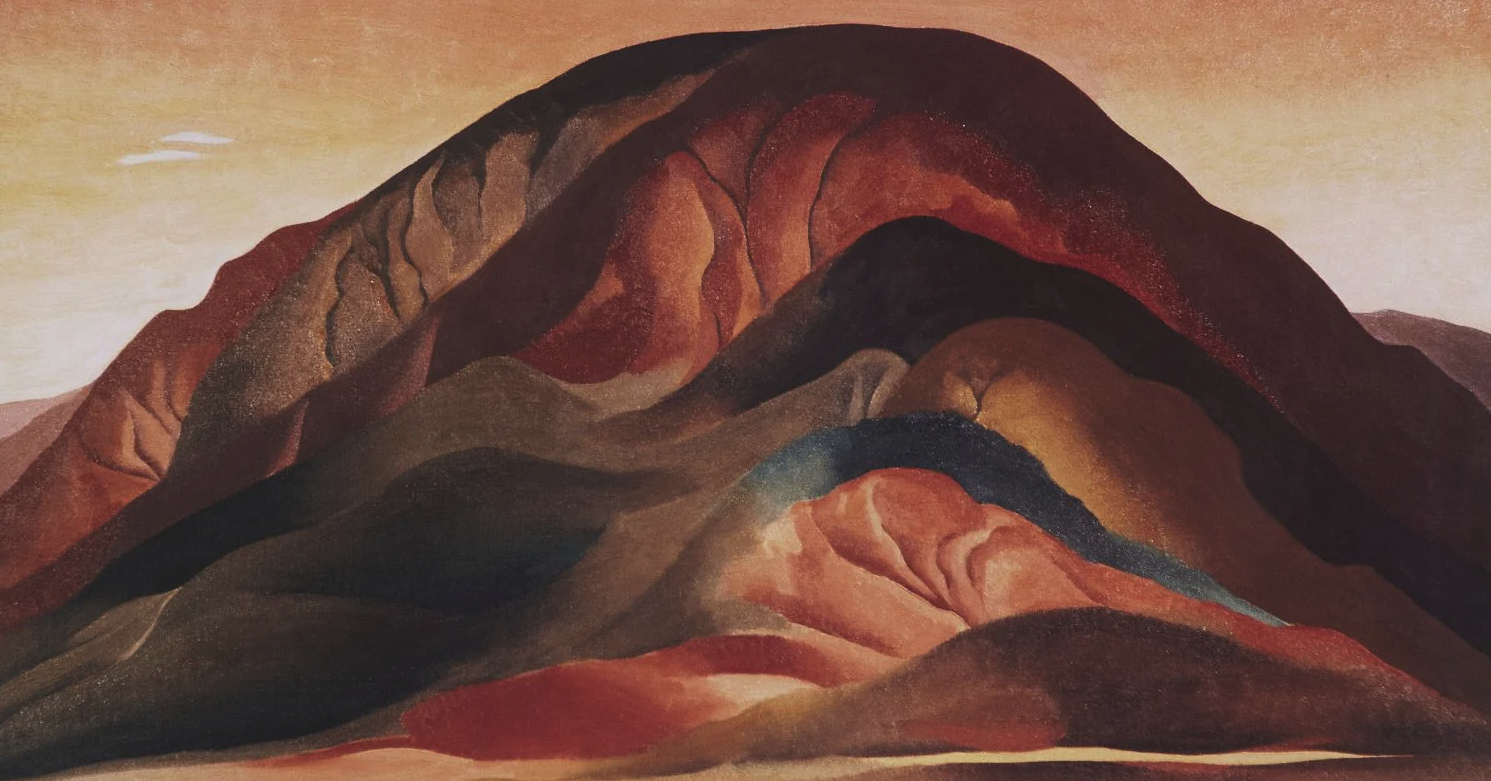
The numbers were staggering. O'Keeffe's "Rust Red Hills" (1930) alone carried a $15 million valuation from a 2016 appraisal. Hassam's "The Silver Veil and the Golden Gate" (1914) would fetch $3.5 million based on 2009 estimates. Church's "Mountain Landscape" (circa 1849) added another $2 million. Together, these three works represented enough capital to address the estimated $12-20 million needed for dormitory renovations.
But Valparaiso's administration didn't stop at simple monetisation. In a move that shocked the museum community, they argued that O'Keeffe's modernist masterpiece and Hassam's impressionist work actually violated Sloan's original trust requiring "conservative" art. The solution? Close the professional museum space and create a new "Sloan Gallery of American Paintings" in renovated dormitories, displaying only works deemed "sufficiently conservative."
"If the administration decided that it couldn't afford to run the [Brauer], then you really have to question the decision that was made at the beginning of 2022 about reopening the museum," Jonathan Canning, the museum's director from 2022 to 2024, told Artnet News after his dismissal.
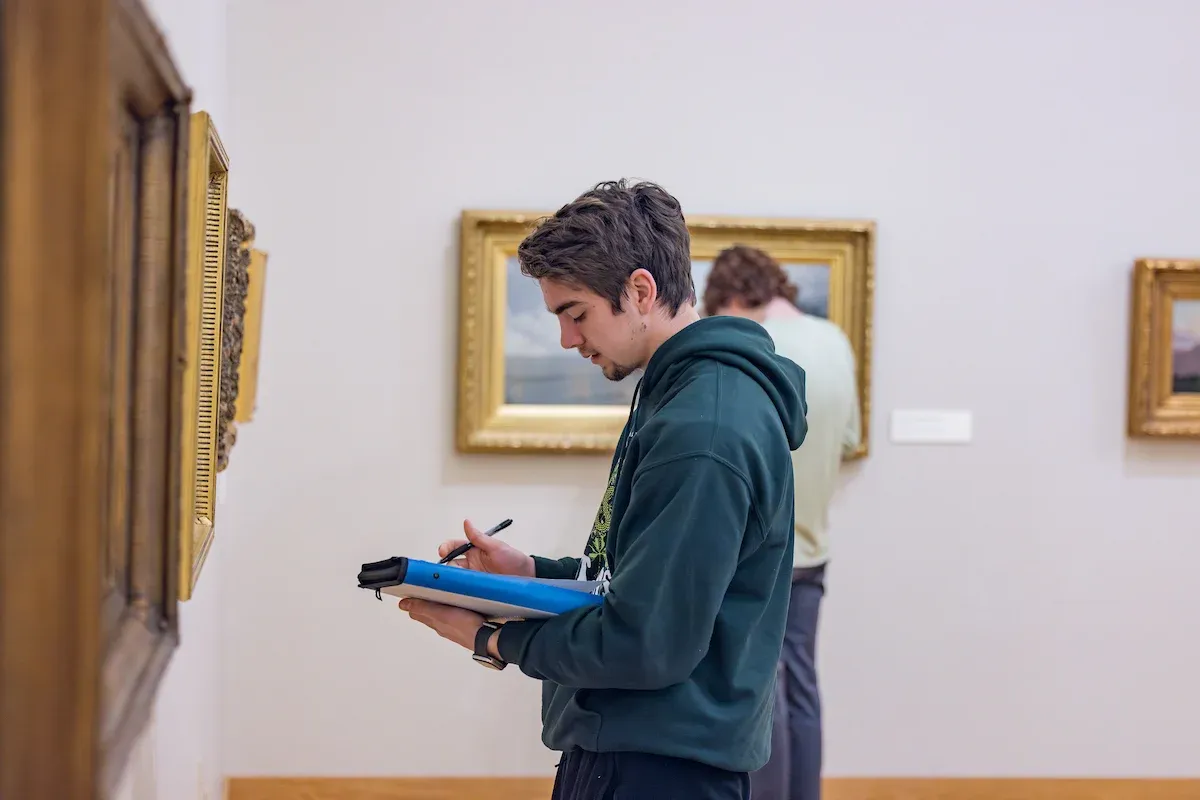
Indeed, the timeline reveals a troubling pattern. The museum had reopened post-pandemic with renewed energy. Canning mounted 32 exhibitions and installations in less than two years, employed over 20 students, and drew 13,000 visitors. By his calculation, it was "the most cost-effective department at this university." The administration's sudden pivot from investment to liquidation suggested either spectacular mismanagement or a cynical bait-and-switch.
The museum officially closed in June 2024. Canning was dismissed. Richard Brauer and board member Philipp Brockington filed a lawsuit attempting to block the sales, arguing that the deaccessioning violated both the original trust and fundamental museum ethics. The legal challenge faced an uphill battle—courts typically defer to institutional decisions about asset management—but it crystallised the ethical stakes.
"The Codes of Ethics for the American Association of Museum, the Association of Art Museum Directors and the International Council of Museums set standards for museums, nationally and internationally," explained Sally Yerkovich, professor of Museum Anthropology at Columbia University. "It is expected that all museums comply with these codes, whether the museums are accredited or not. To dismiss these Codes, all of which set rigorous professional standards concerning the use of funds from deaccessioning, and say that they don't apply to the Brauer is disingenuous."

These codes exist for good reason. They recognise that museums hold works in public trust, that selling art to fund operations or capital projects betrays that trust, and that such sales create a slippery slope where collections become emergency piggy banks rather than protected cultural resources. Violations can result in censure, loss of accreditation, and professional isolation.
Valparaiso's counter-argument—that university museums operate under different rules—rang hollow to many observers. While technically true that academic museums aren't bound by the same accreditation standards, the ethical principles remain constant. More troubling was the ideological dimension: what does it mean for an academic institution to curate based on political "conservatism" in 2024?
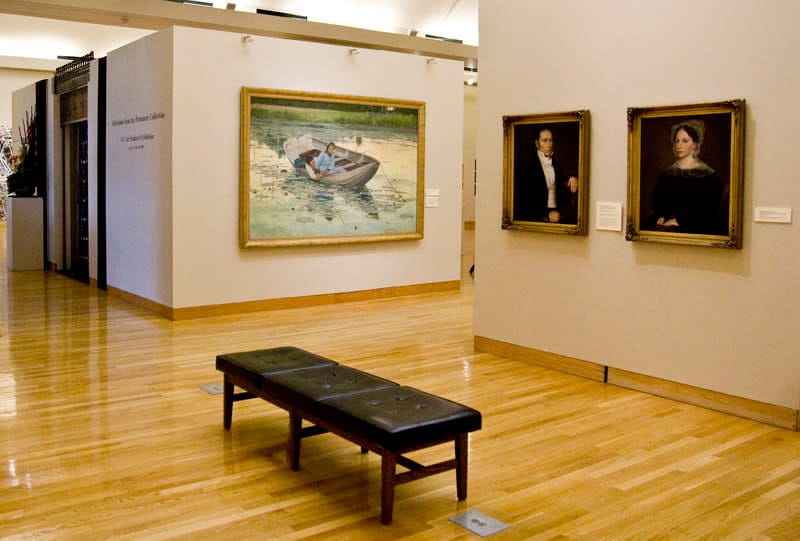
By August 2024, facing mounting legal costs and intense pressure, the 97-year-old Brauer withdrew his lawsuit. The museum reopened in November with drastically reduced hours—just 20 hours weekly—and minimal staffing. The university received court approval to proceed with the sales. The masterpieces that students once encountered in a professional museum setting would soon be scattered to private collections, replaced by ideologically vetted works in a dormitory gallery.
"We have a chance to grow into a small school that's excellent in the liberal arts," Brauer had told the student newspaper months earlier. "We have the power to do that and it's in our DNA. O. P. Kretzmann inspired the museum. He had a vision for this small school, to see life whole, to experience it fully. We are not just teaching for a career, but teaching for a life. And if we do that, we'll have students."

That humanistic vision—art as essential to a complete education, museums as laboratories for cultural understanding—seems almost quaint in an era of enrolment metrics and infrastructure crises. Yet it's precisely what's at stake when universities treat their cultural assets as liquid capital.
The Brauer Museum's fate sends a chilling message to every campus art collection. When budgets tighten, culture gets liquidated. When ideological pressures mount, academic freedom retreats. When universities need cash, masterpieces become ATM withdrawals. The security costs that Valparaiso cited—$50,000-$100,000 for upgrades, $150,000 annually for guards—seem trivial compared to what's been lost: an institution's credibility as a cultural steward, a community's access to significant art, and students' opportunity to engage with challenging works that might not pass a "conservative" litmus test.
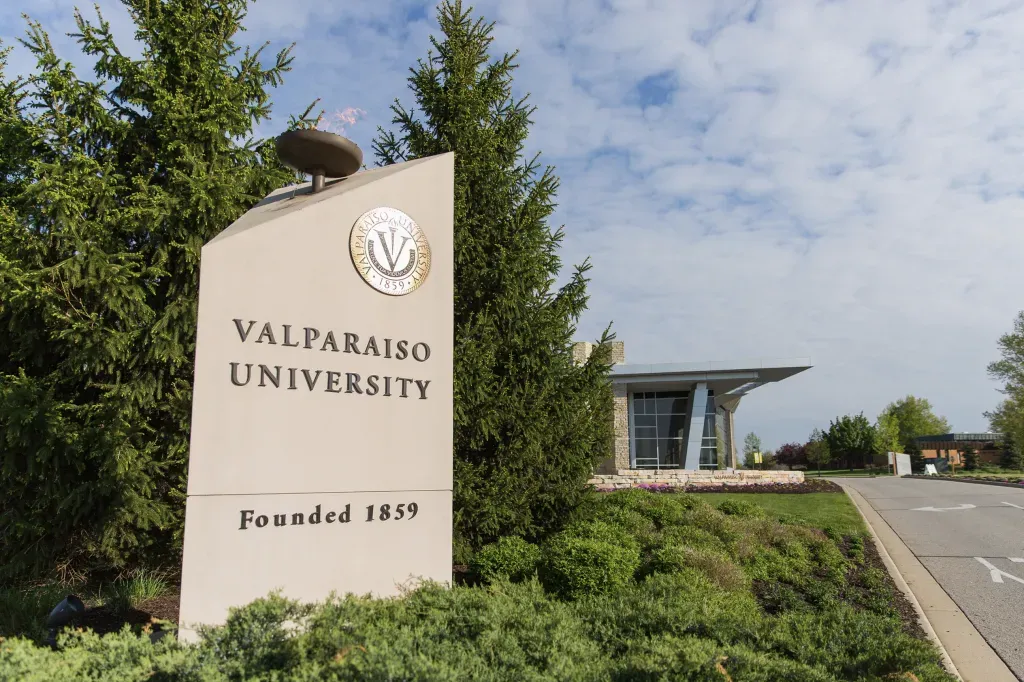
Other universities are watching. Some may see Valparaiso's playbook as a solution to their own financial woes. Others might recognise it as a cautionary tale about the true cost of treating education as a business and art as mere assets. The question isn't just what happens to the O'Keeffes and Hassams of the academic world. It's what happens to the idea of universities as places where culture is preserved, studied, and shared—not sold to the highest bidder when the bills come due.
For educators using campus museums as teaching resources, for students discovering art history through original works, for communities that rely on university galleries as cultural centres, Valparaiso's decision represents more than a financial transaction. It's a betrayal of trust, a narrowing of vision, and a warning that in the modern university, nothing - not even a Georgia O'Keeffe - is sacred when balanced against a budget spreadsheet.