
Table of Contents
By 2027, an Australian student undertaking a three-year degree in the highest university degree band could face more than $54,000 in tuition costs. Where as, a nursing degree is expected to cost less than $15,000. The disparity reflects a higher education funding system that has placed vastly different prices on disciplines, even as concerns grow about declining participation in the arts.
This divide can be traced to the Job-Ready Graduate Scheme, introduced by the Morrison government in 2021. Designed to encourage enrolments in fields considered essential to Australia's workforce, the policy reduced student contributions in areas including nursing, teaching, and engineering, while substantially increasing fees for humanities, communications, law, and business.

Five years later, the scheme remains in place despite the Albanese government's acknowledgement of its shortcomings. The 2024 Universities Accord review recommended replacing the model, finding that its uneven contribution rates had left some students carrying debts disproportionate to their likely future earnings.
Under the 2027 fee schedule, students in the highest contribution band will pay up to $18,025 annually, bringing the cost of three years of study to $54,075 at that rate. The figure does not apply uniformly across arts education. Visual and performing arts sit in a lower band fee, with an annual maximum of $9,880, while individual degrees may contain subjects charged at different rates.
Although most domestic students can defer these contributions through HECS-HELP, the debt remains payable once their income reaches the repayment threshold. The scheme therefore affects graduates well after they leave university, with higher balances potentially exceeding repayment periods and influencing their financial circumstances.
The policy was intended to encourage students to pursue qualifications aligned with the labour market demand. However, its effectiveness has been widely questioned, including by the federal government's own Universities Accord review in 2024. The review recommended replacing Job-Ready Graduates, identifying serious inequities in the contributions required of students across different disciplines.
The financial imbalance is considerable. Research into university funding has found that some students contribute as much as 93% of the cost of their education, while others contribute less than 13%. Such differences are difficult to reconcile with the varied career outcomes of university graduates, especially those studying humanities and other disciplines without a single defined professional pathway.
The consequences also raise concerns about access. Higher fees may weigh more heavily on students from lower socioeconomic backgrounds, who must consider the prospect of substantial debt when choosing a degree. Although income-contingent loans mean students generally do not have to pay tuition upfront, they do not eliminate concerns about the long-term cost of study.
The Albanese government acknowledged the scheme's failure but has yet to announce a replacement. The Australian Tertiary Education Commission, led by Barney Glover, is examining university teaching costs and funding arrangements, with advice expected in the second half of 2027. Meaningful changes to student contributions may consequently be delayed until at least 2028.
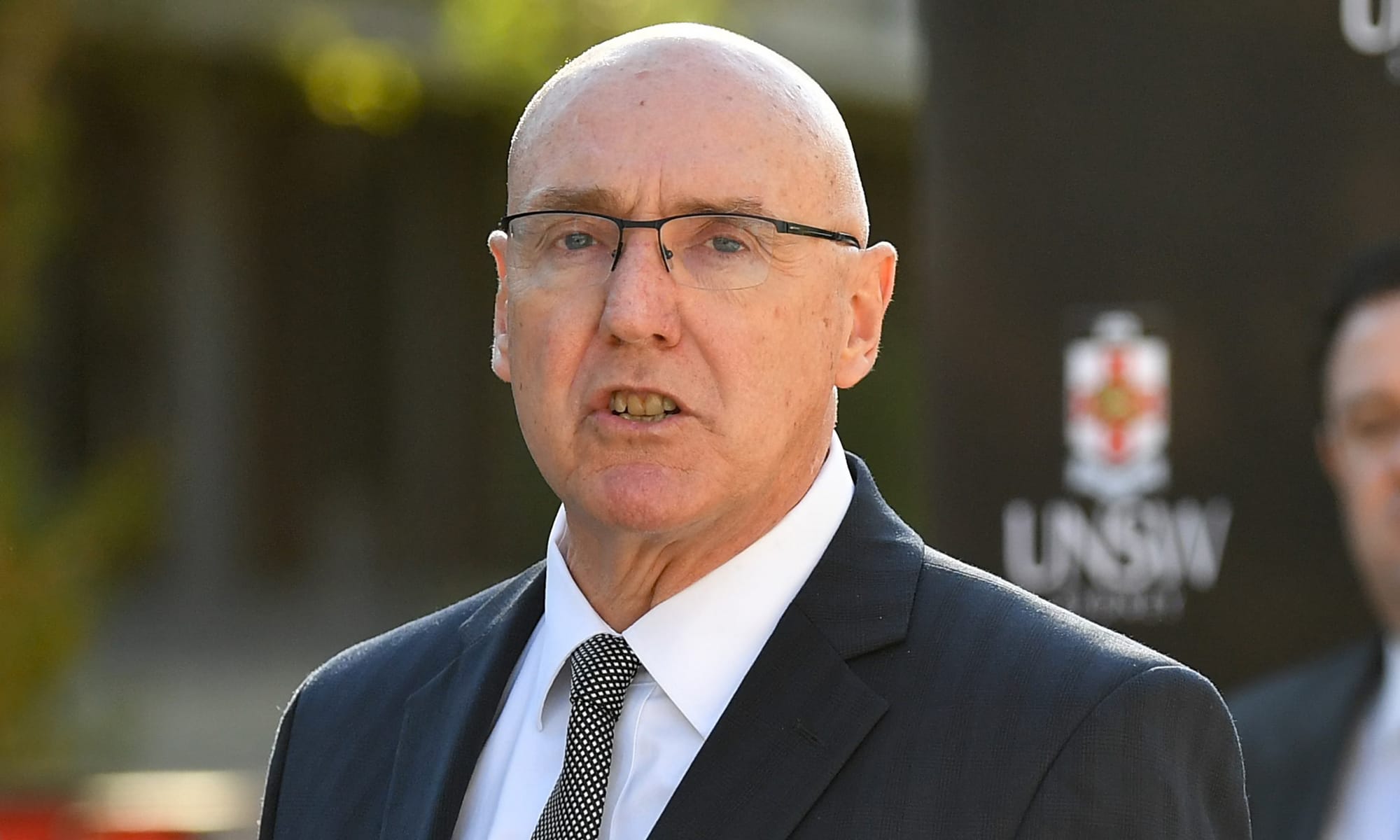
Education Minister, Jason Clare, has defended the government's broader higher education reforms, including a 20% reduction in existing student loan balances and changes to the repayment thresholds. These measures have provided relief to borrowers, however, they have not altered the contribution rates facing new students.
The question of how to replace the Job-Ready Graduate Scheme remains unresolved. One proposal would link fees to graduates' expected lifetime earnings, requiring those entering higher-paying professions to contribute more. Another would introduce a single annual contribution rate across disciplines, similar to the original HECS model established in 1989. A uniform rate could reduce the costs of humanities degrees, but depending on its level and the government subsidy provided, it could also increase contributions for students currently paying less.
Any replacement will require decisions about how the cost of higher education should be divided between graduates and taxpayers. Universities also need sufficient funding to deliver courses, making reform more complicated than simply reducing fees.
In the meantime, the cost of studying humanities and related art disciplines continues to rise. With the government yet to establish a timetable for replacing the Job-Ready Graduates Scheme, another cohort of students are preparing to enter university under a funding system whose shortcomings have been acknowledged but remain unaddressed.


