Table of Contents
The Rijksmuseum and Museo Nacional del Prado are joining forces to reconsider a familiar period of European art history. Their new research partnership will examine the influence of women in the Habsburg court, concentrating on three female rulers whose political authority also placed them among the important collectors and commissioners of art in 16th-century Europe.
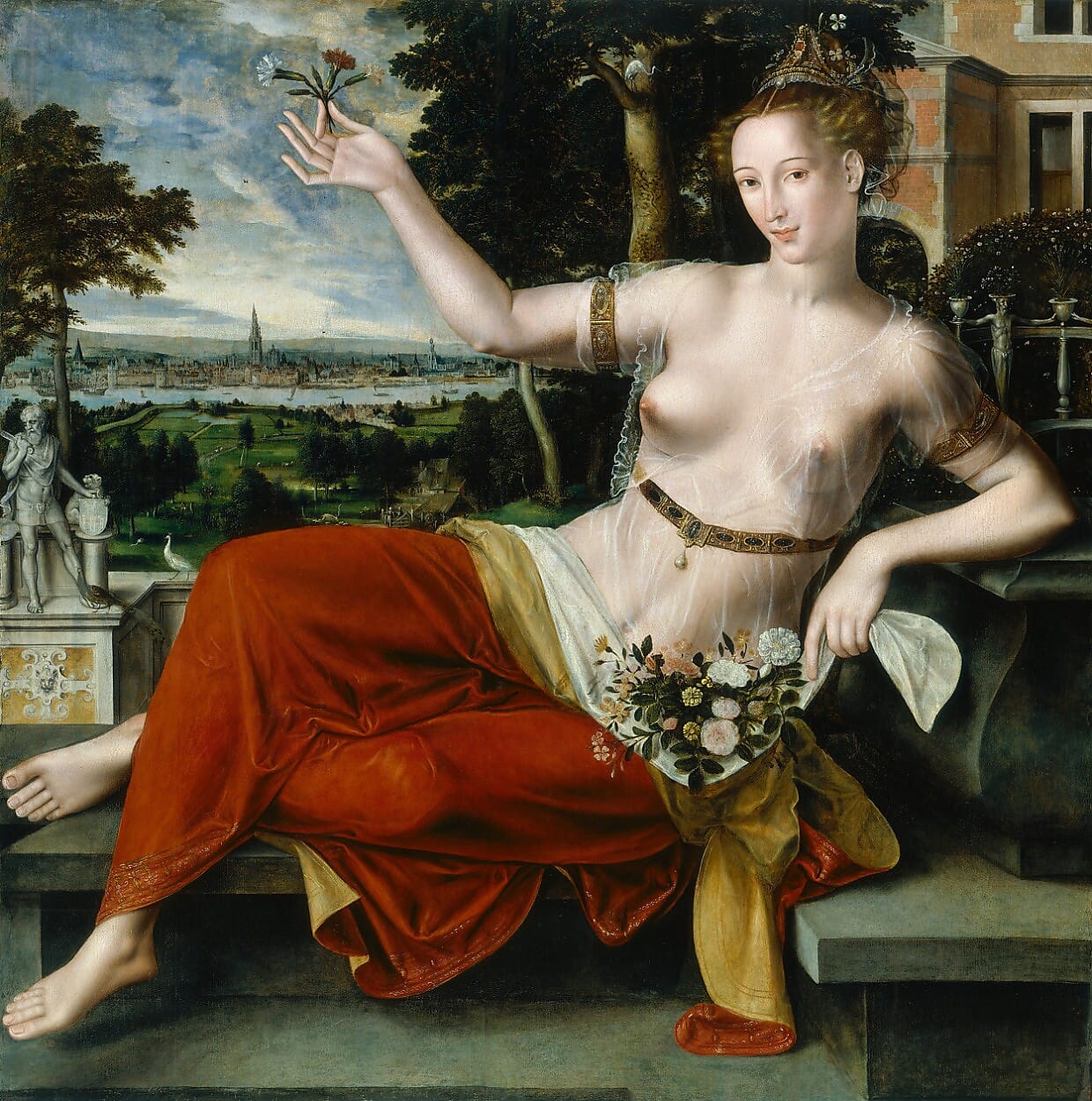
Margaret of Austria, Mary of Hungary, and Margaret of Parma governed the Netherlands for almost 60 years between them, acting on behalf of Charles V and Philip II. Their positions gave them considerable political authority, but also influence over the artists, objects, and images circulating through the Habsburg courts. The partnership will bring researchers from Amsterdam and Madrid together to study this history across the collections and archives of both museums.
An international postdoctoral fellowship will then begin in September 2027, accompanied by meetings between specialists in the period. The research will eventually inform a major Rijksmuseum exhibition in 2029, examining female leadership in the Habsburg Netherlands and the place art occupied within it.
This project is significant because the women at its centre are not recent discoveries. Their names appear throughout the political history of the Habsburg Empire, while artworks they owned and commissioned have survived in major European collections. What has been less prominent in popular accounts of Renaissance art is the authority they exercised over its production and presentation.
Mary of Hungary offers a compelling example. She became governor of the Netherlands in 1531 and commissioned work from Titan, one of the most celebrated painters of the Renaissance. Among her commissions were four monumental paintings now known as the Four Furies, made in 1548-49 for the great hall of her palace in Binche.
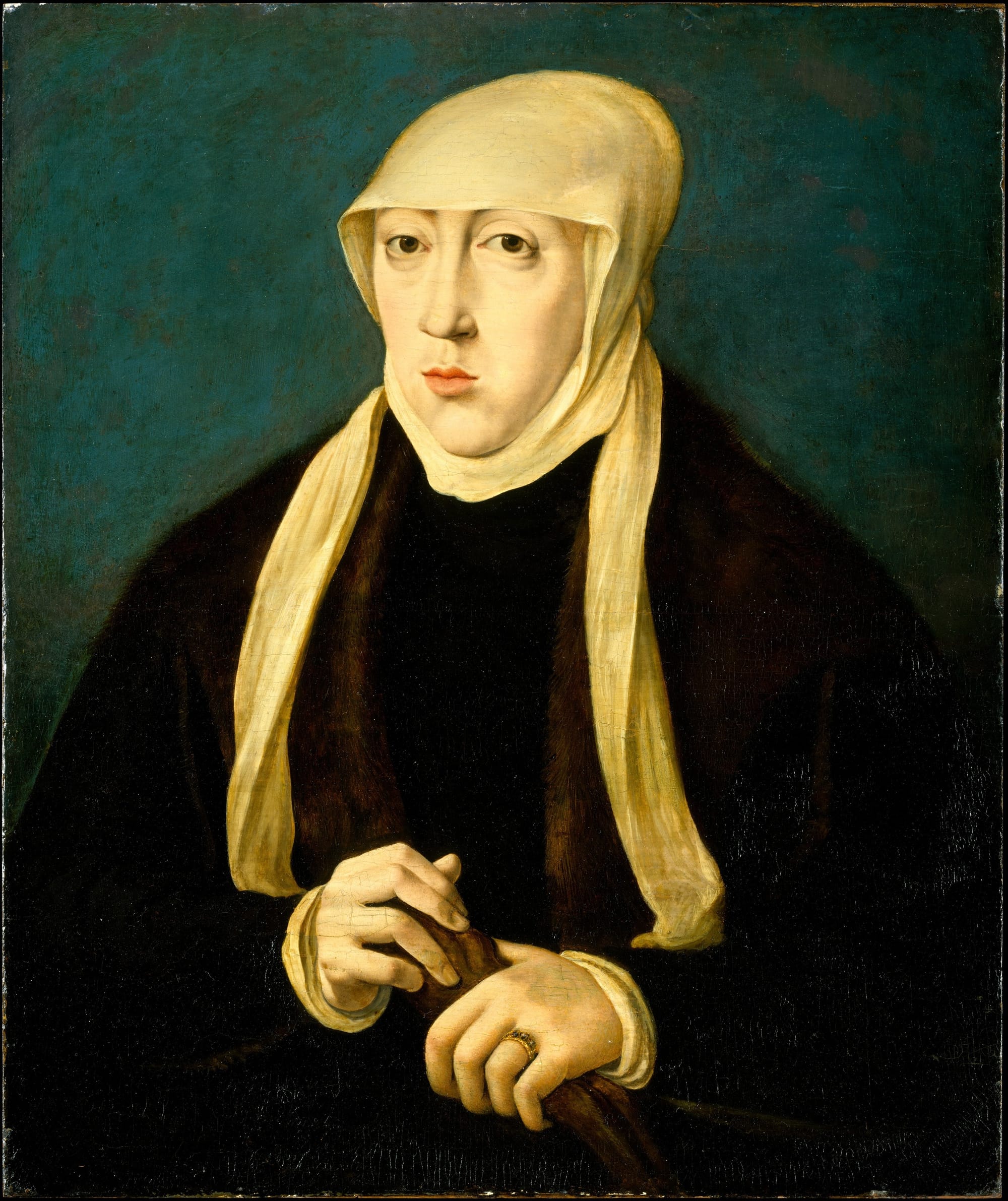
The paintings depicted male figures from classical mythology undergoing violent punishment. Within Mary's palace, their meaning was closely ties to Habsburg authority and the consequences of rebellion against it. The identity of the commissioner is therefore important to their history. Mary was selecting images for a political environment and using the work of one of Europe's leading artists to communicate imperial power.
Researching these relationships can change the way familiar works are understood. Renaissance art history has traditionally devoted enormous attention to artists, workshops, and stylistic developments, while the people who commissioned and collected those works often appear as supporting figures. Yet, patronage determined what was produced, where it was displayed, and, in many cases, what it was expected to communicate. Recovering the influence of women such as Mary, Margaret of Austria, and Margaret of Parma places them within the network of decisions that shaped the art now associated with the period.
The partnership also reflects changes already underway at both museums. The Rijksmuseum established an interdisciplinary programme devoted to women in its collection in 2021, and has since researched more than 450 objects. At the Prado, The Female Perspective has developed into a permanent programme encompassing research, documentation, exhibitions, publications, and education. The Prado will also open an exhibition dedicated to Mariana of Austria this year, examining how the queen's public image developed during her life and reign.
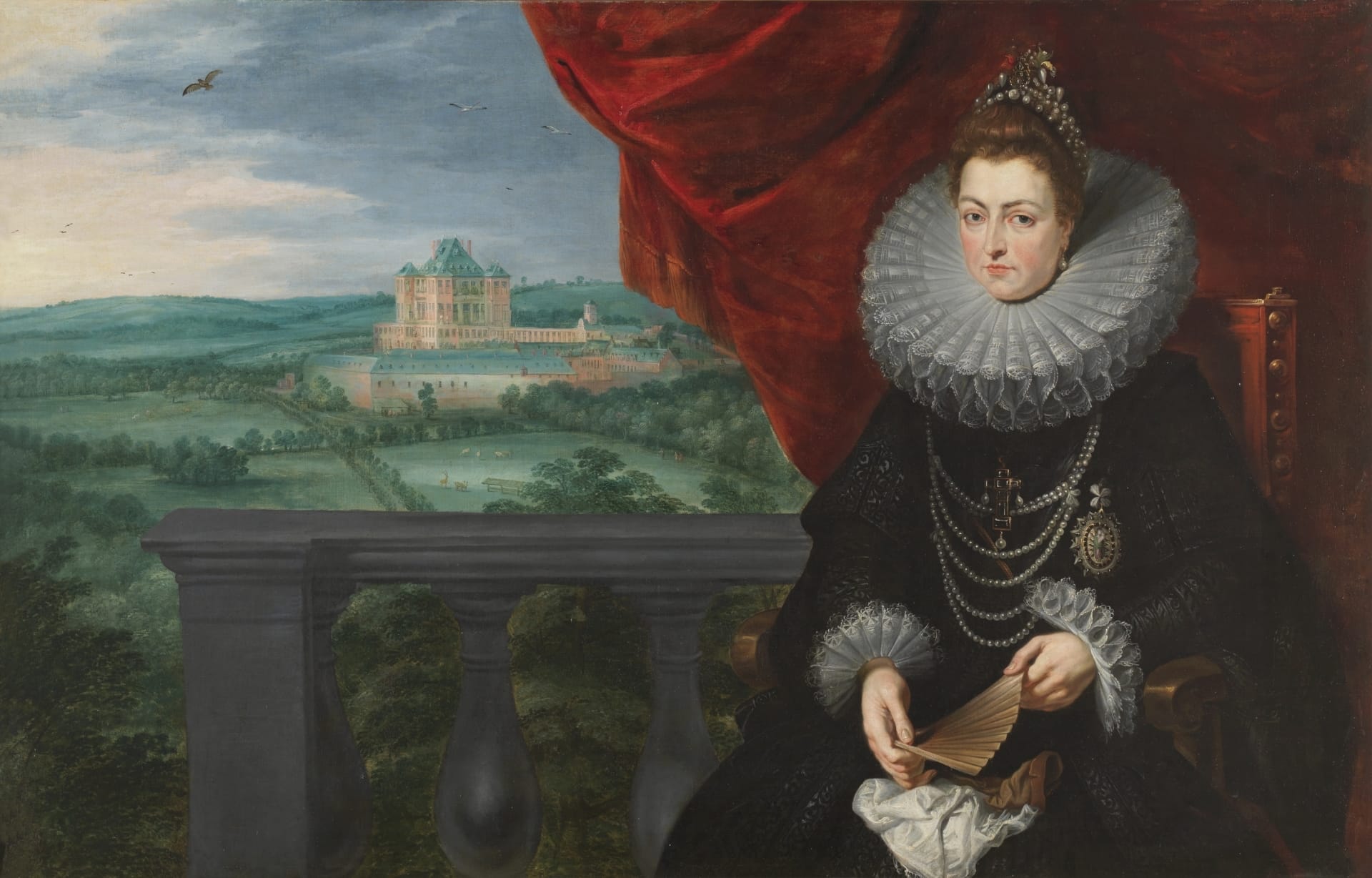
There is some institutional history to reckon with here. The Prado held its first solo exhibition dedicated to a female artist only in 2016, when it presented the work of Clara Peeters. Museums such as the Prado and Rijksmuseum have enormous influence over the histories audiences inherit. What they acquire, attribute, research, and exhibit helps establish which names become inseparable from a period and which remain largely confined to specialist scholarship.
The new partnership has an opportunity to reconsider part of that inheritance using the museums' own collections. Its importance will ultimately depend on the research produced over the next several years, not on the promise of rewriting history before that work has been done.
What is already clear is that women such as Mary of Hungary were present at the centre of Renaissance political and artistic life. Their decisions helped determine which works were commissioned, what those works communicated, and where they were seen. The art has survived, however, a fuller account of the people who shaped it is still being written.