Table of Contents
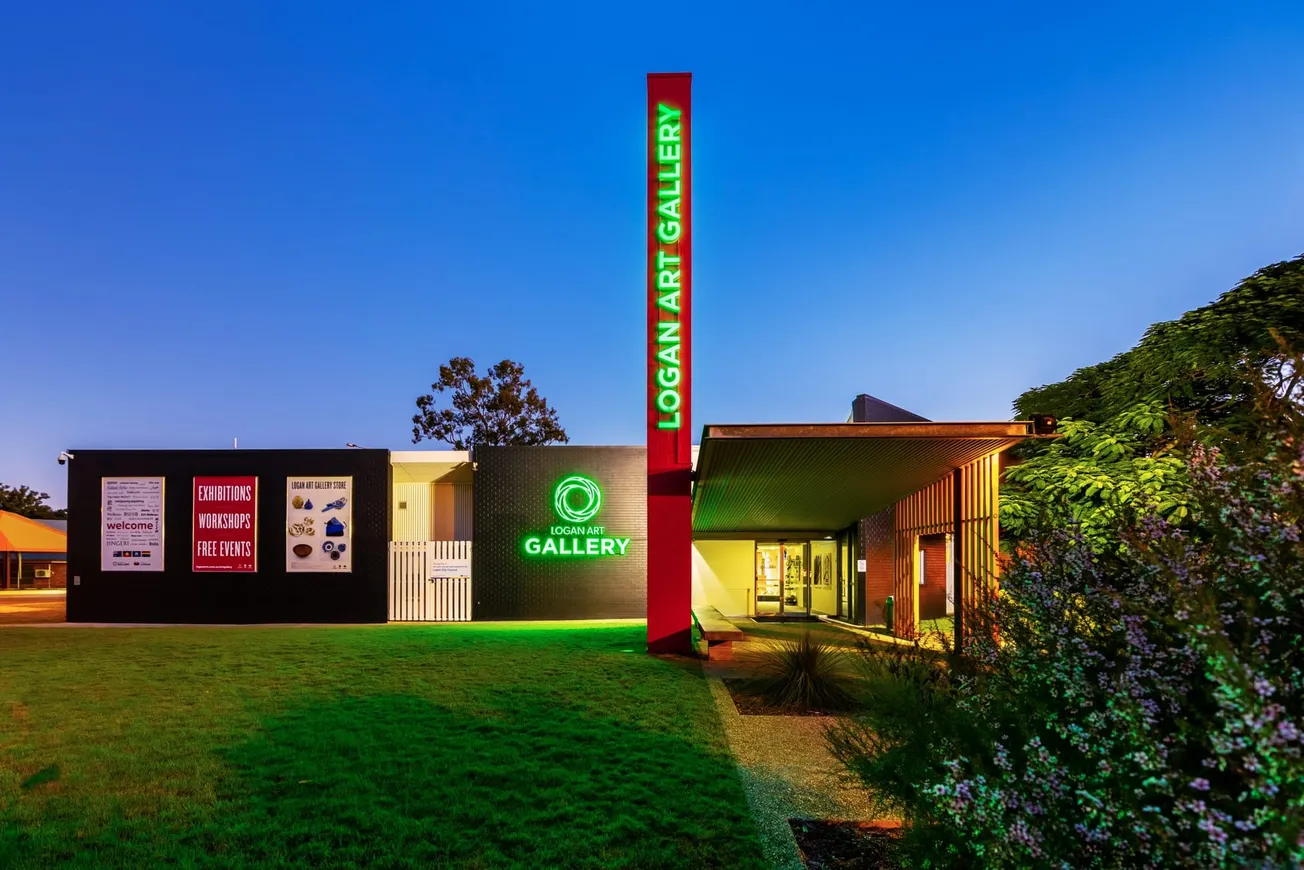
Visitors of Logan Art Gallery are being encouraged to break one of the art world's most familiar rules: don't touch the artworks. Until 5 December 2026, Logan Art Gallery is hosting two of the National Gallery of Australia's travelling 'Art Cases', giving audiences an opportunity to handle works from the national collection and discover how touch can deepen their understanding of art.
The initiative forms part of the National Gallery's longstanding commitment to bringing its collection into communities across Australia. Designed to travel in specially constructed cases, the artworks visit schools, libraries, galleries, community centres, and aged care facilities. Their purpose is to support hands-on learning, storytelling, and creative activities for all ages. The program also addresses a longstanding challenge for cultural institutions, whereby they're making collections accessible to those who cannot easily visit major metropolitan museums or engage with conventional exhibitions.
The gallery invites visitors to explore two collections, Bodies and Form and Function, through guided tactile tours that encourage close observation, physical interaction, and conversations about the artwork.
Bodies
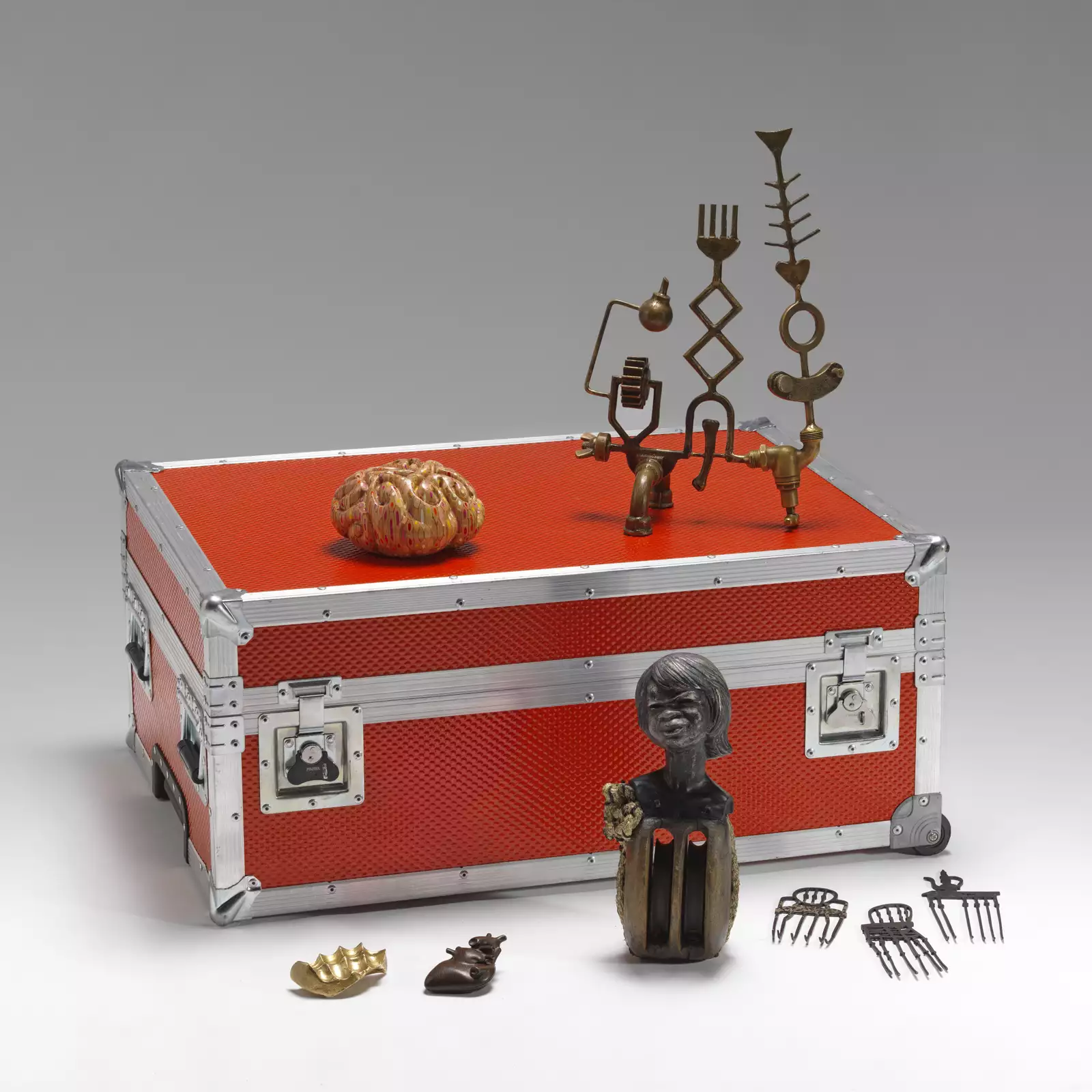
Bodies, found in a red case, looks at the relationship between human anatomy and lived experience. Several works take inspiration from internal organs, including the heart, brain, and digestive system. Others consider how our bodies occupy space and respond to social structures. The collection encourages visitors to think about the physical processes that shape their everyday experiences.
Form and Function
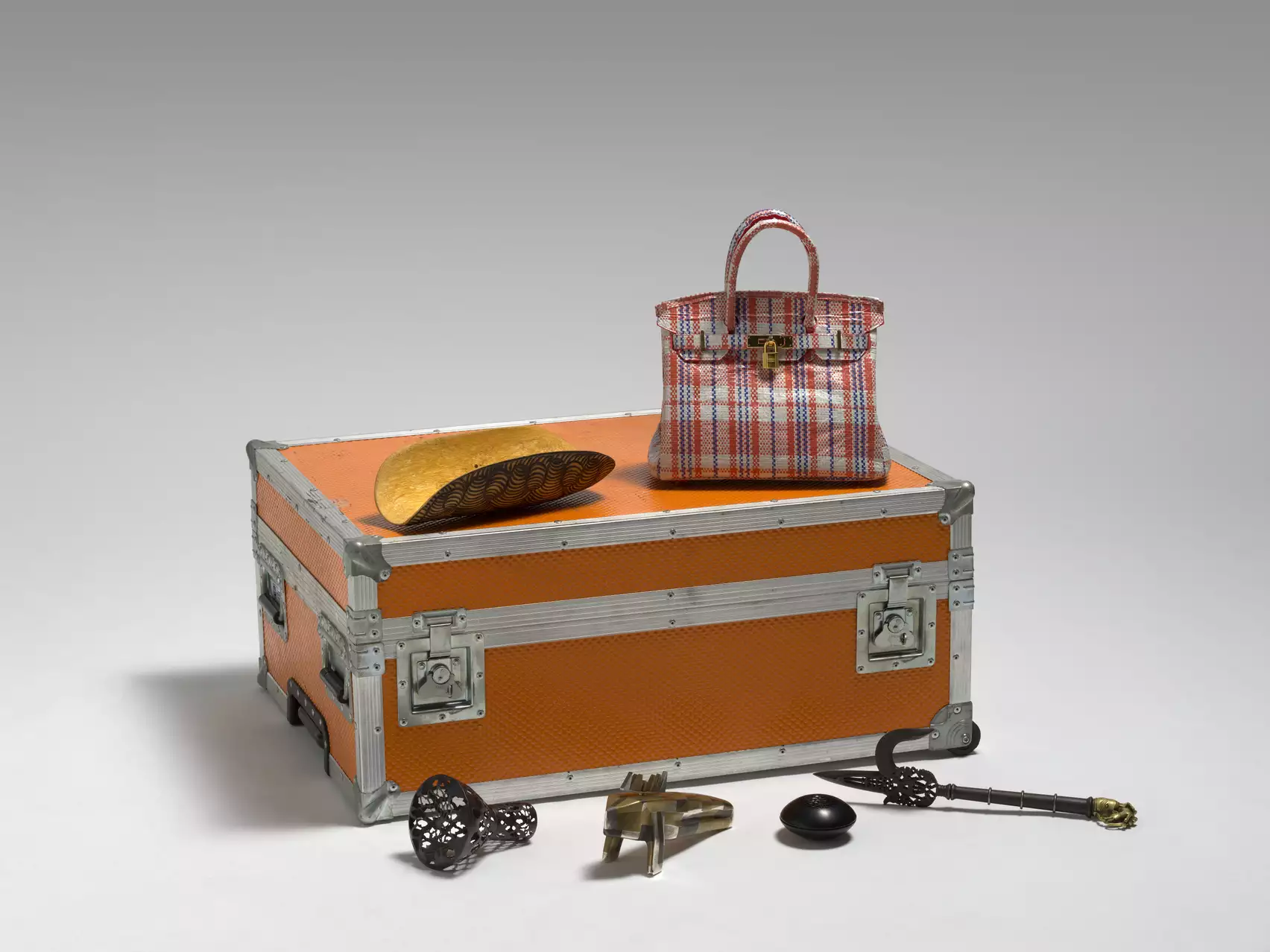
Form and Function turns its attention to memory-provoking objects and the relationship between their practical design and artistic expression. Featuring historical and contemporary works associated with activities such as serving tea, providing light, and preparing food, this orange case explores how craftsmanship, materials, and decoration influence the objects we use. Handling these works allows individuals to consider the details that might otherwise be difficult to appreciate through sight alone.
The Art Cases program began with a donation from philanthropists, Jim and Elaine Wolfensohn, in 1988 which funded the acquisition of durable artworks for touring exhibitions. Two of the cases began travelling in 1990, followed by a third in 2004. With support from the Neilson Foundation, the National Gallery expanded the program to five cases in 2021, introducing revised collections exploring the body, Country, the natural world, time, and design.
The program's educational value lies partly in its flexibility. A school student encountering an unfamiliar material, an older visitor examining an everyday object, and a person with low vision exploring an artwork through touch can each approach the same collection differently. Such experiences also encourage discussion about how the objects are made, used, and understood across cultures.
Guided tours at Logan Art Gallery will run every Thursday from 10am to 11am, with sessions scheduled for 5, 12, 19, 26 November, and 3 December. Visitors are welcome to join briefly or participate for the full hour.
For a national collection housed primarily in Canberra, travelling programs such as Art Cases offer an important means of reaching audiences elsewhere. Their arrival in Logan demonstrates the educational possibilities of allowing people to engage directly with original artworks, particularly when physical access and opportunities for conversation become part of the gallery experience.