Table of Contents
More than a century after her death, Kate Faulkner's wallpaper designs are still being sold by Morris & Co. Her name, however, has largely disappeared from the history of the company she helped make famous. Now, an exhibition at Cambridge's Fitzwilliam Museum is bringing renewed attention to an artist whose work has long been mistaken for that of William Morris.
Opening on 23 October 2026, A Call to Art: William Morris and the Pre-Raphaelites draws attention to the artists and makers who shaped one of Britain's most influential decorative arts movements. Among them is Faulkner, a designer, embroiderer, and workshop supervisor whose contributions to Morris & Co extended across textiles, ceramics, wallpaper, and furniture decoration.
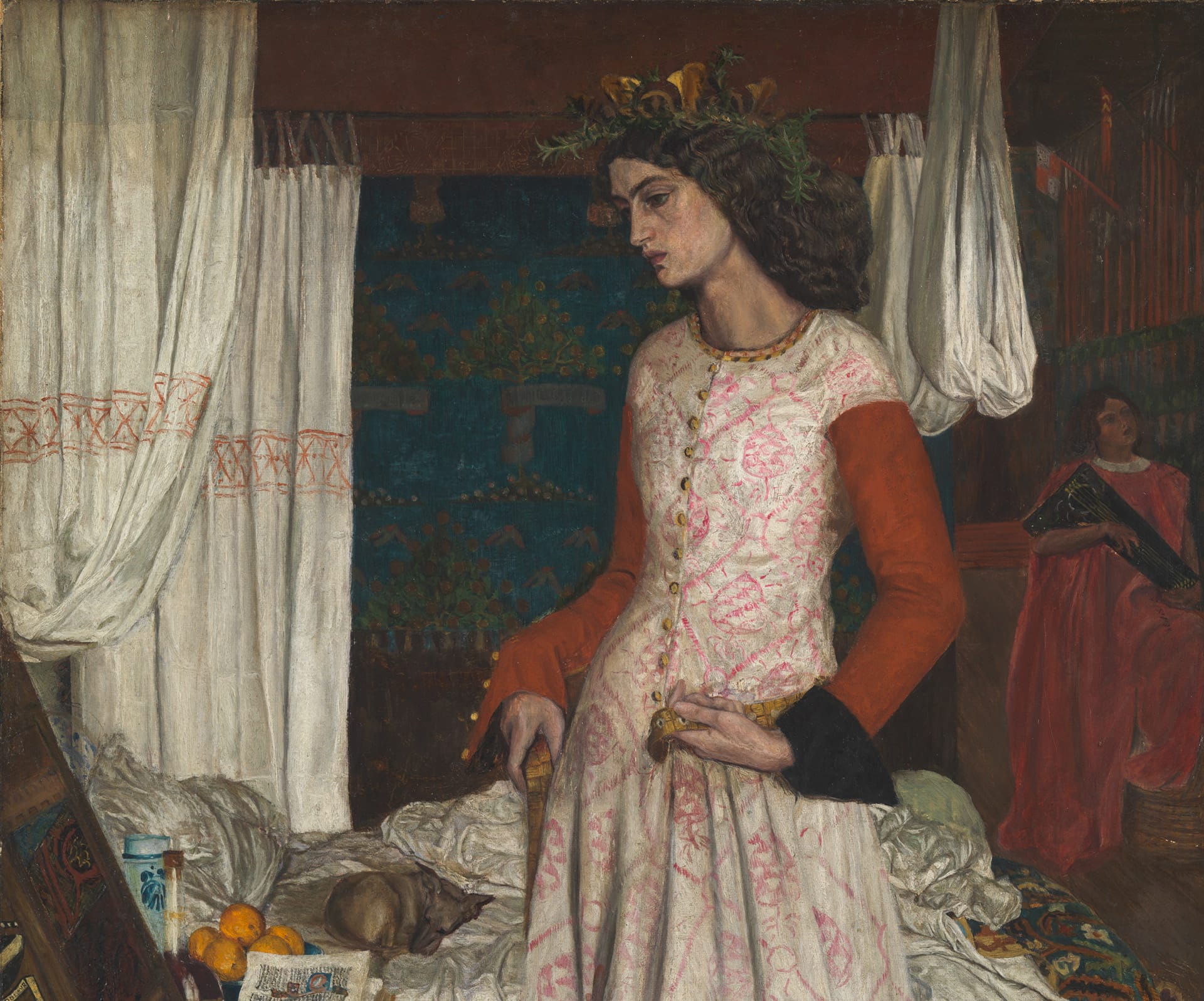
Faulkner was the first designer after Morris himself to create wallpaper and fabric patterns for the company, and one of only four people he entrusted with the work. Her designs became commercially successful during the 1870s and 1880s, attracting interest from other manufacturers and establishing her reputation internationally. Yet, her achievements received comparatively little attention in accounts of the Arts and Crafts movement, which have traditionally centred on Morris and his male contemporaries.
The exhibition offers an opportunity to discover the breadth of Faulkner's practice. Among its highlights is a monumental 6.3 metre-wide oak and silvered-gesso altarpiece, commissioned in 1886 and appearing on public display for the first time. Visitors will also encounter her painted ceramics, decorative tiles and textile patterns, including examples of work that helped to establish Morris & Co's distinctive visual identity.
One of the most significant discoveries concerns Faulkner's involvement at Red House, Morris's home in Bexleyheath, where the foundations of the company were laid in 1861. Research by exhibition advisor, Karen Livingstone, has identified Faulkner as the embroiderer of a panel depicting the Greek goddess Artemis, based on a design by Morris. While the finished embroidery has been lost, a surviving drawing will feature in the exhibition.
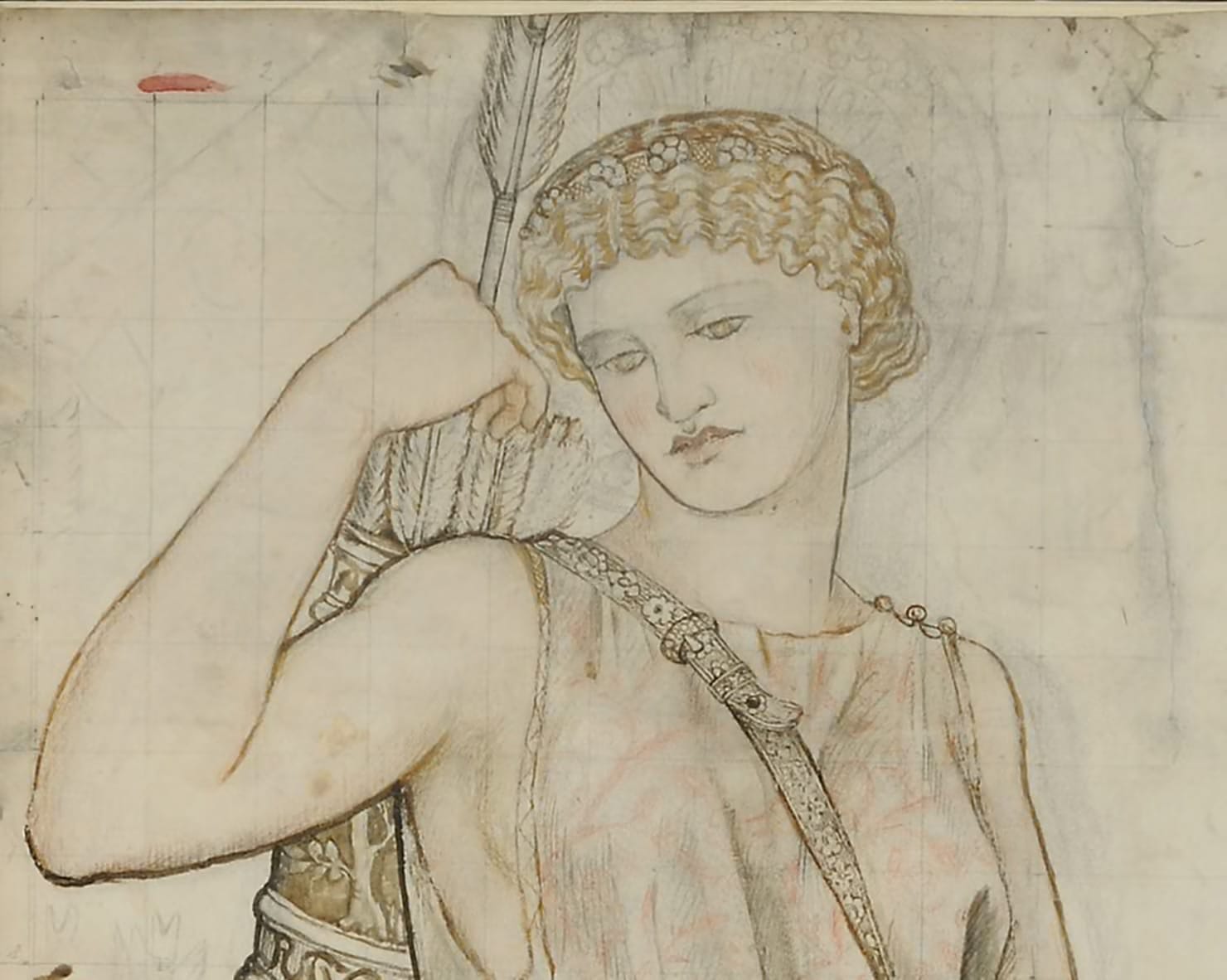
The discovery places Faulkner among the artists working at Red House during the formative years of Morris & Co. Her brother, Charles, was a founding partner, while Faulkner and her sister were producing embroidery for the firm by 1862. Her presence in this early creative community raises questions about how much of the company's development depended on women whose contributions were rarely acknowledged in the historical record.
This imbalance was hardly unique to Morris & Co. Women played vital roles in the production of decorative arts throughout the Victorian period, particularly in embroidery and other practices frequently classified as domestic accomplishments. Their labour was essential to the company's success while the recognition attached to its products remained concentrated around a celebrated designer.
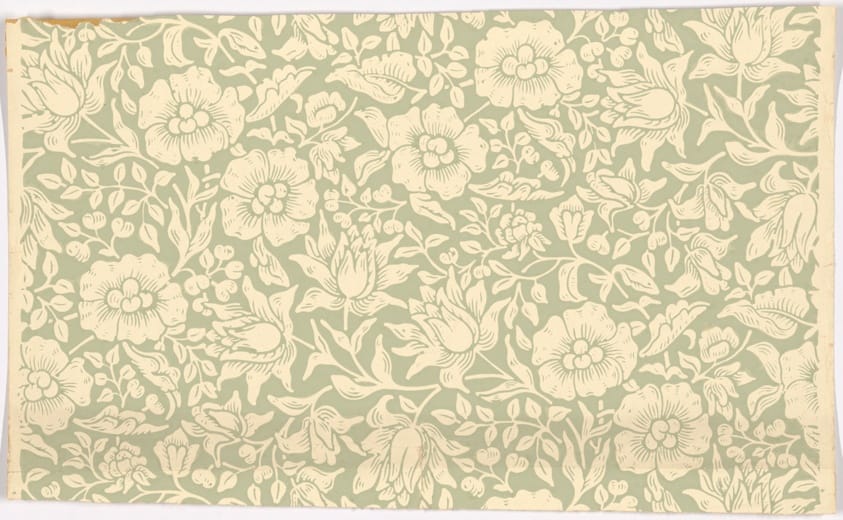
Faulkner's career complicates this history. She was responsible for original designs as well as executing the ideas of others, and her 1879 Mallow wallpaper remains in production today. Her work has survived changing tastes and generations of consumers, even as her authorship has become increasingly obscure.
Livingstone is now attempting to trace Faulkner's descendants in the hopes of finding a photograph or portrait of the artist. None is currently known to exist, which is a striking absence for someone whose designs remain so familiar.
A Call to Art: William Morris and the Pre-Raphaelites will run at the Fitzwilliam Museum, Cambridge, from 23 October 2026 to 3 May 2027.