Table of Contents
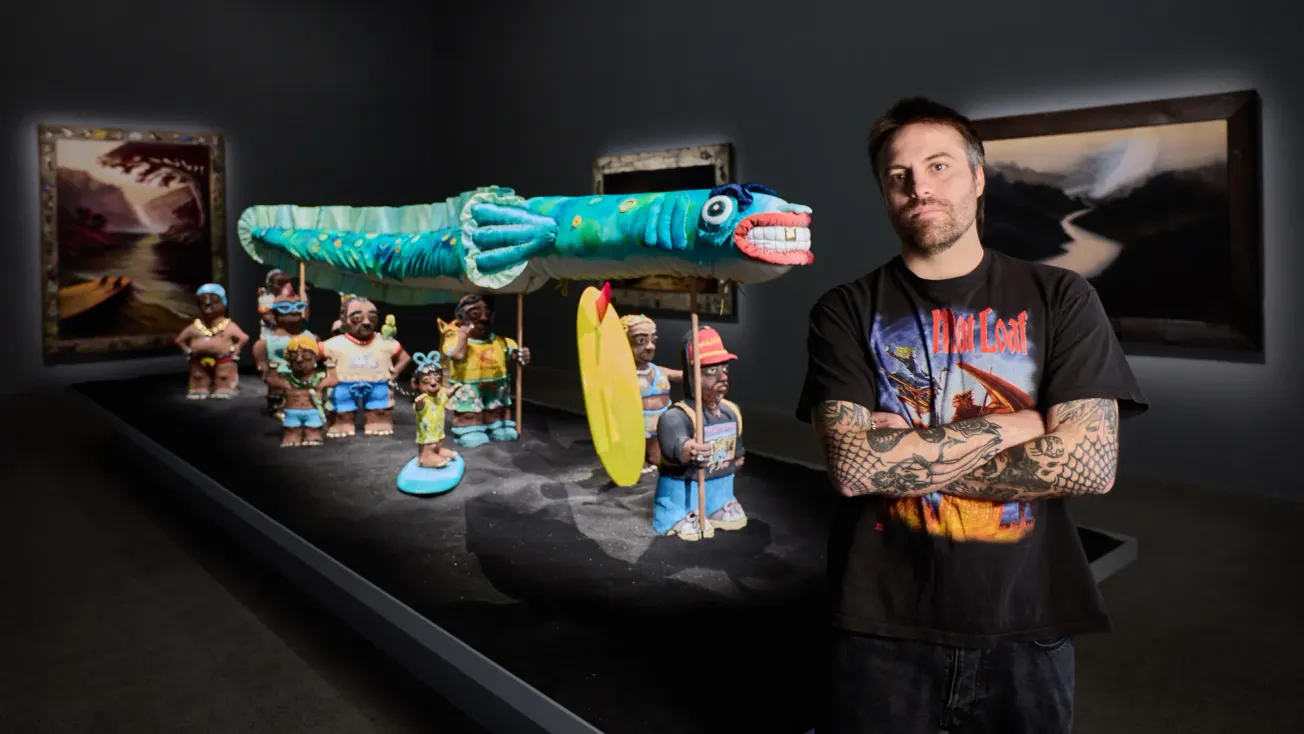
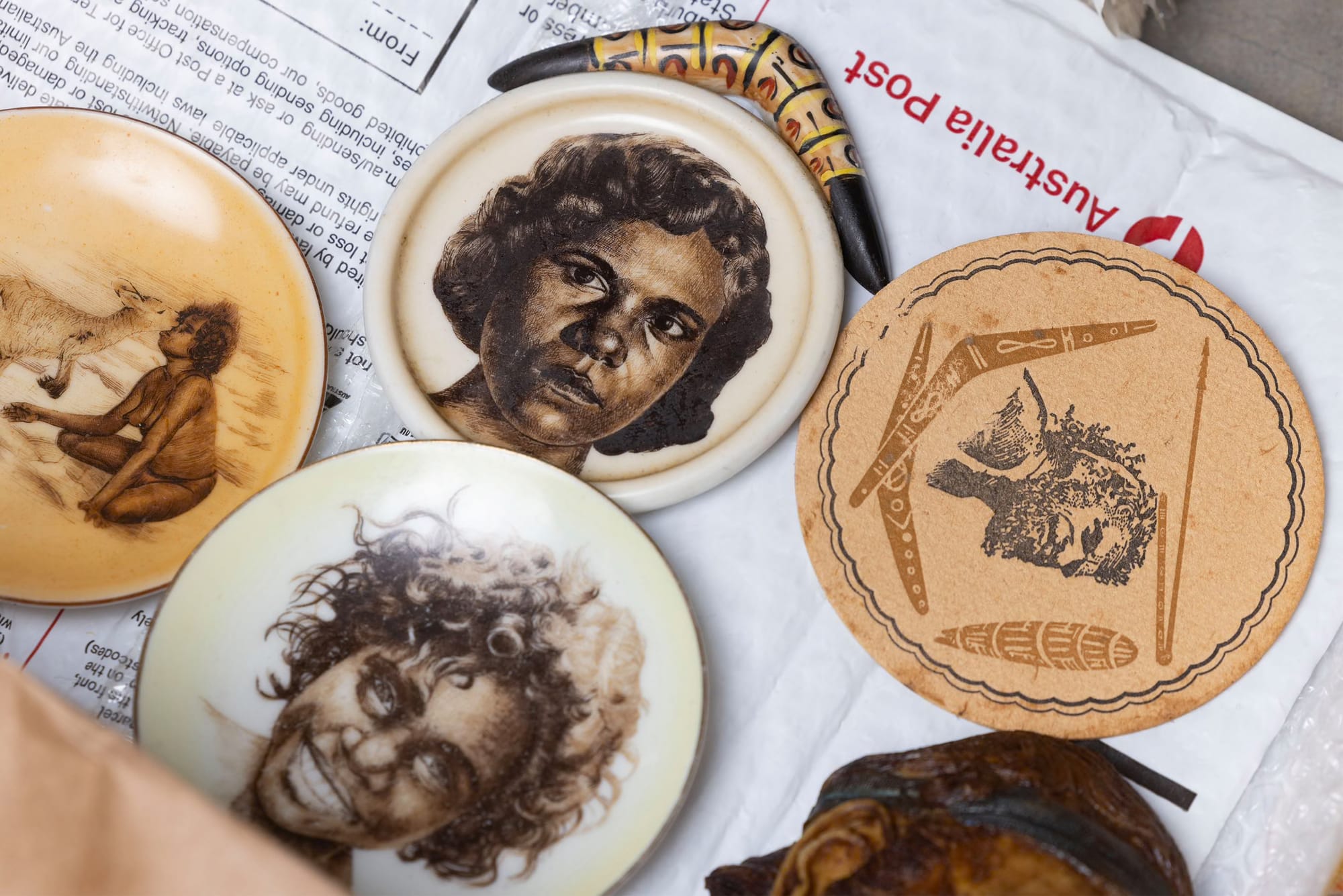
More than 2,000 objects depicting Aboriginal people through racist caricatures and stereotypes have been handed over to the Museum of Contemporary Art Australia (MCA) in Sydney, following a public appeal by First Nations artist, Tony Albert. The donations, ranging from tea towels and ashtrays to crockery and figurines, were collected during his major retrospective, Not a Souvenir, which closed on 19 October 2026.
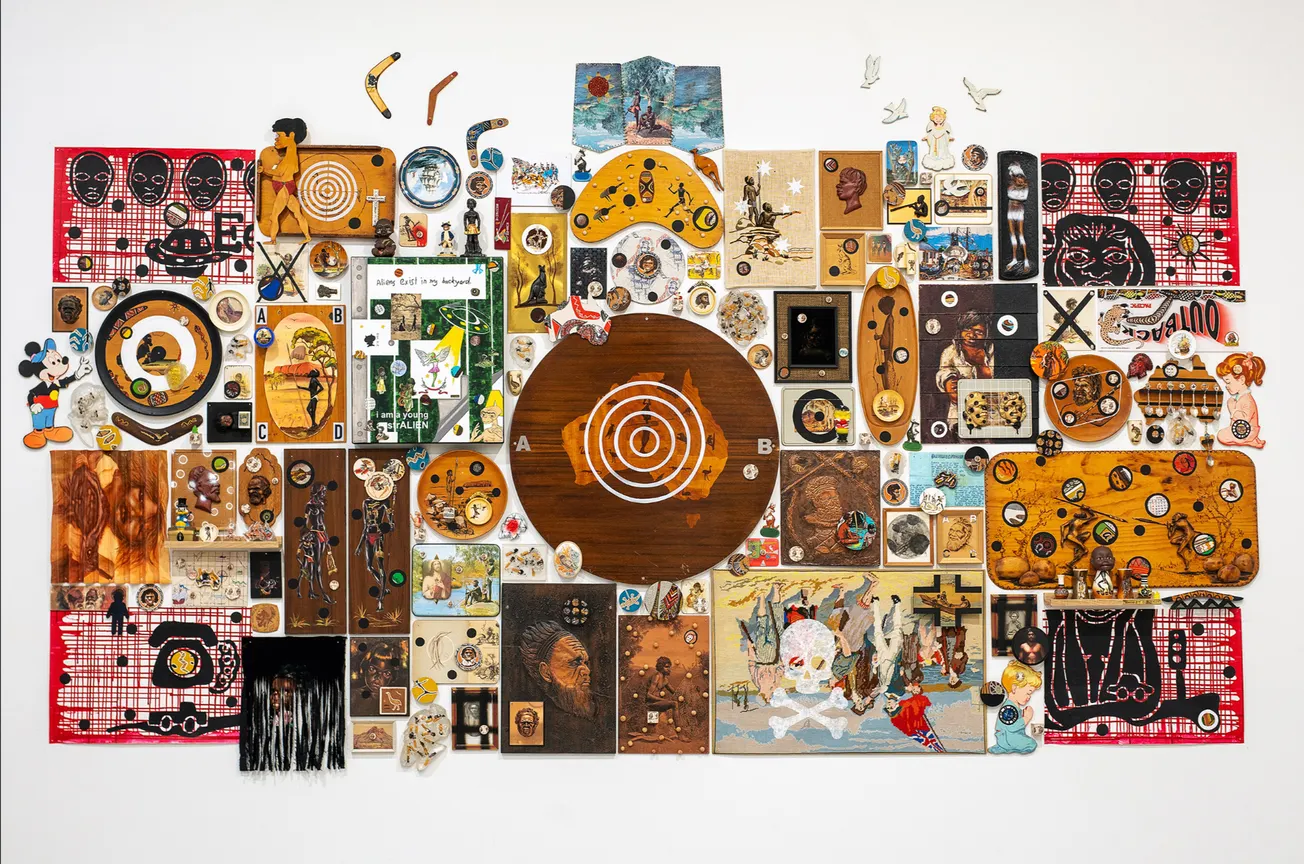
The response has added thousands of objects to a collection Albert began assembling as a child in Brisbane during the 1980s. Known collectively as 'Aborginialia', these mass-produced souvenirs and household goods were once commonplace in Australian homes, presenting distorted images of Aboriginal people and their cultures as decorative motifs. Many were manufactured and sold by non-Indigenous businesses, often without the involvement or consent of the communities they purported to represent.
Their familiarity is central to Albert's work. Such objects were rarely confined to museums or specialist collections. Instead, they appeared on kitchen shelves, dining tables, and mantlepieces, where caricatures of Aboriginal people became an accepted feature of Australian domestic life. Their commercial success also reflected a wider contradiction in Australian society, where Aboriginal cultures were marketed as a symbol of national identity while Aboriginal people continued to experience discrimination and exclusion.
The history of Aboriginalia is not entirely uniform. Indigenous artists and entrepreneurs, including Bill Onus and Jimmy Pike, also participated in the souvenir industry, producing and selling work on their own terms. Albert's appeal specifically sought objects featuring inauthentic or stereotypical representations, particularly those created without Indigenous consent.
The scale of the public response surprised organisers. Donations arrived throughout the exhibition, including one collection of 120 plates, cups, and saucers, another containing 200 beer coasters, and a figurine almost a metre tall depicting an Aboriginal man holding a spear.
Many arrived with personal histories. Some donors had inherited the objects, while others had purchased them decades earlier without recognising the implications of their imagery. Wiradjuri artist and activist, Carolyn Lenna, donated a painting discovered in a council collection more than a decade ago, describing the sadness it had evoked. Such accounts reveal how differently these objects can be understood, particularly by those whose cultures have been represented without their consent.
Albert, whose family connections to the Girramay, Kuku Yalanji, and Yidindji peoples, described the response as "incredibly powerful and healing", acknowledging the conversations and personal stories accompanying the donations.
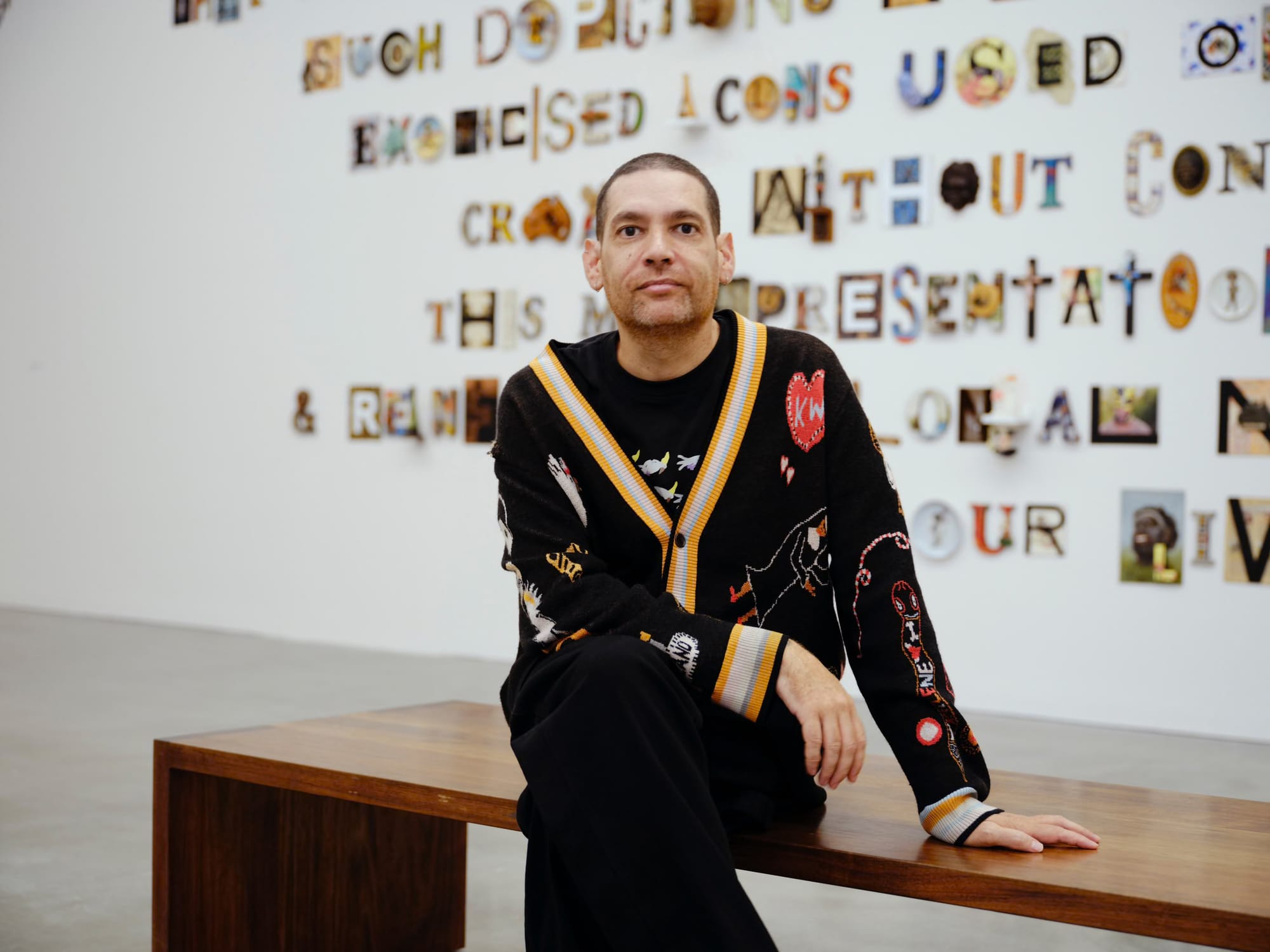
His intention is to remove Aboriginalia from everyday circulation and reclaim the objects through his artistic practice. Across his career, Albert has incorporated found souvenirs into paintings, sculptures, and installations, confronting the racism embedded in their imagery while asserting Indigenous identity, resilience, and cultural pride.
The donated objects will now be transferred to his Brisbane studio, where Albert will determine their future use. Their arrival extends a practice that has occupied much of his life, while demonstrating a growing willingness among Australians to reconsider objects once accepted as harmless souvenirs.
As Albert explained in the MCA's appeal, "This isn't about guilt. It's about what we do next." The thousands of donations suggest that many Australians are prepared to participate in that process, although the histories contained in these objects remain far more difficult to put away.