Table of Contents
Nearly 1,000 years after it was made, the Bayeux Tapestry has crossed the channel and gone on display at the British Museum. France lent the work intact, Britain will exhibit it intact, and when the agreement ends, it will return intact. Greek Prime Minister, Kyriakos Mitsotakis, thinks that comparison makes the case for reunifying the Parthenon Sculptures stronger, not weaker.
British Museum directors, Nicholas Cullinan, had suggested the landmark French loan could offer a model for negotiations over the sculptures, point to it as an example of what international cultural partnerships can achieve. Mitsotakis has rejected the idea. Greece has spent decades seeking permanent reunification of sculptures now divided principally between London and Athens, and accepting them as a loan would mean negotiating the terms that Athens has consistently opposed.
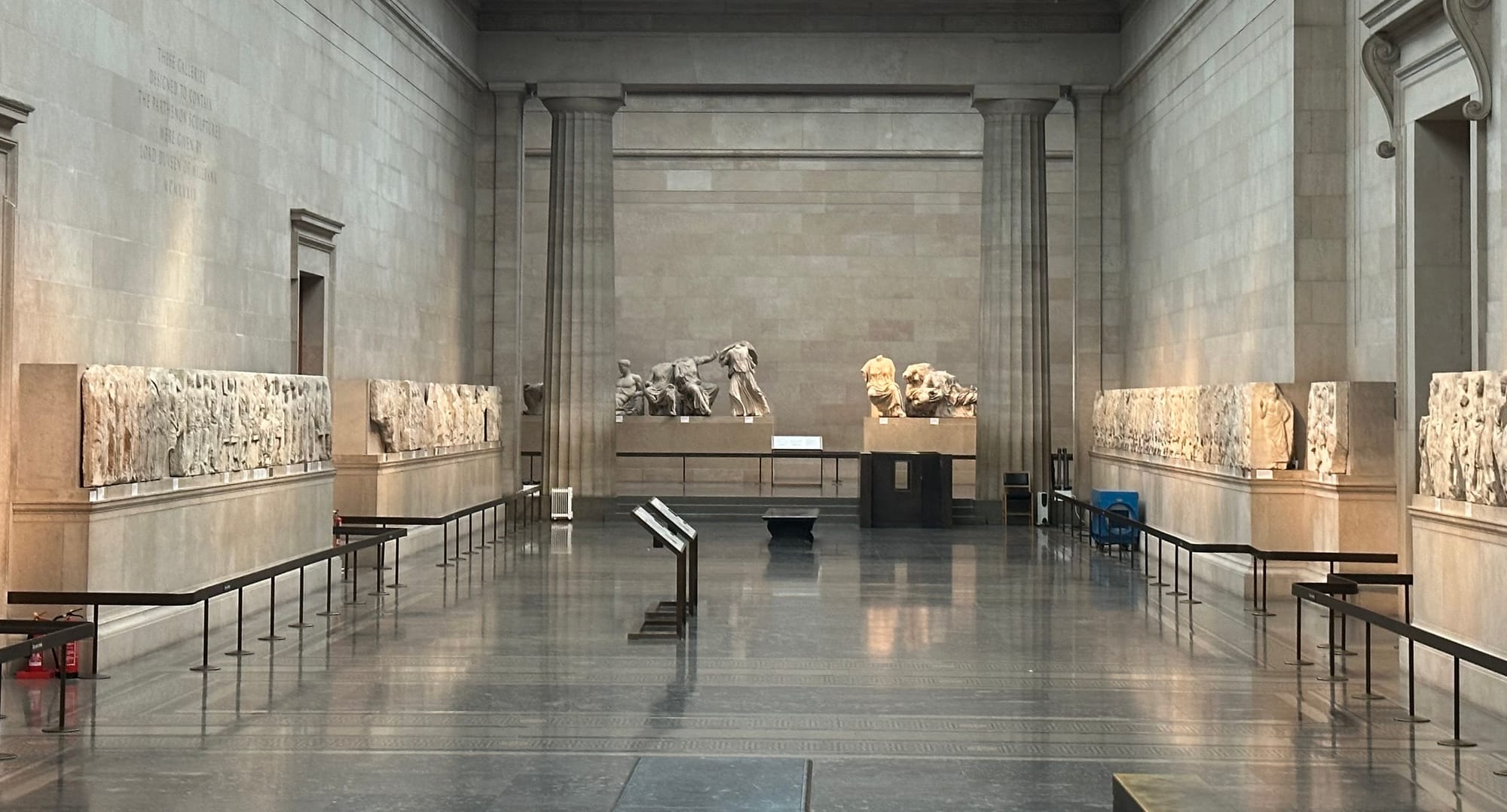
The main problem here is ownership. Greece maintains that it cannot borrow parts of a monument it considers its own, particularly if doing so requires the recognition of the British Museum's title to them. The British Museum, constrained by legislation governing the removal of objects from its collection, has explore agreements based on long-term loans and reciprocal cultural exchanges.
The dispute stretches back more than two centuries. Lord Elgin removed the sculptures and architectural elements from the Parthenon in the early 1800s, when Athens was under Ottoman rule, and sold his collection to the British government in 1816. Greece disputes the legitimacy of their removal. The British Museum maintains that Elgin acted with permission and that the sculptures were legally acquired.
About half of the surviving sculptures are now held at the British Museum, while much of the remainder is displayed at the Acropolis Museum in Athens. They include sections of the Parthenon frieze, metopes, and figures from the pediments, all originally created as part of the fifth-century BCE temple.
Their connection to the building is central to Greece's position. Mitsotakis has argued that the sculptures should be treated as surviving parts of one monument, not as individual antiquities that happen to be held by separate museums. He has also pushed back against the familiar concern that returning them could encourage claims against collections around the world, describing the Parthenon as an exceptional case with a specific history and an existing monument in Athens.
The British Museum faces its own restrictions. Under the British Museum Act 1963, trustees have limited powers to permanently remove objects from the collection. Changing that position would require more than an agreement between museum directors, which has helped steer negotiations towards loans and exchanges that could operate within the existing law.
The Bayeux comparison breaks down on precisely the issue. France's ownership of the tapestry is not being negotiated as part of its stay in London. The ownership has travelled under an agreement that assumes it will go home. Any comparable arrangement involvement the Parthenon Sculptures would enter a dispute in which the very idea of British lending them back is unacceptable to Athens.
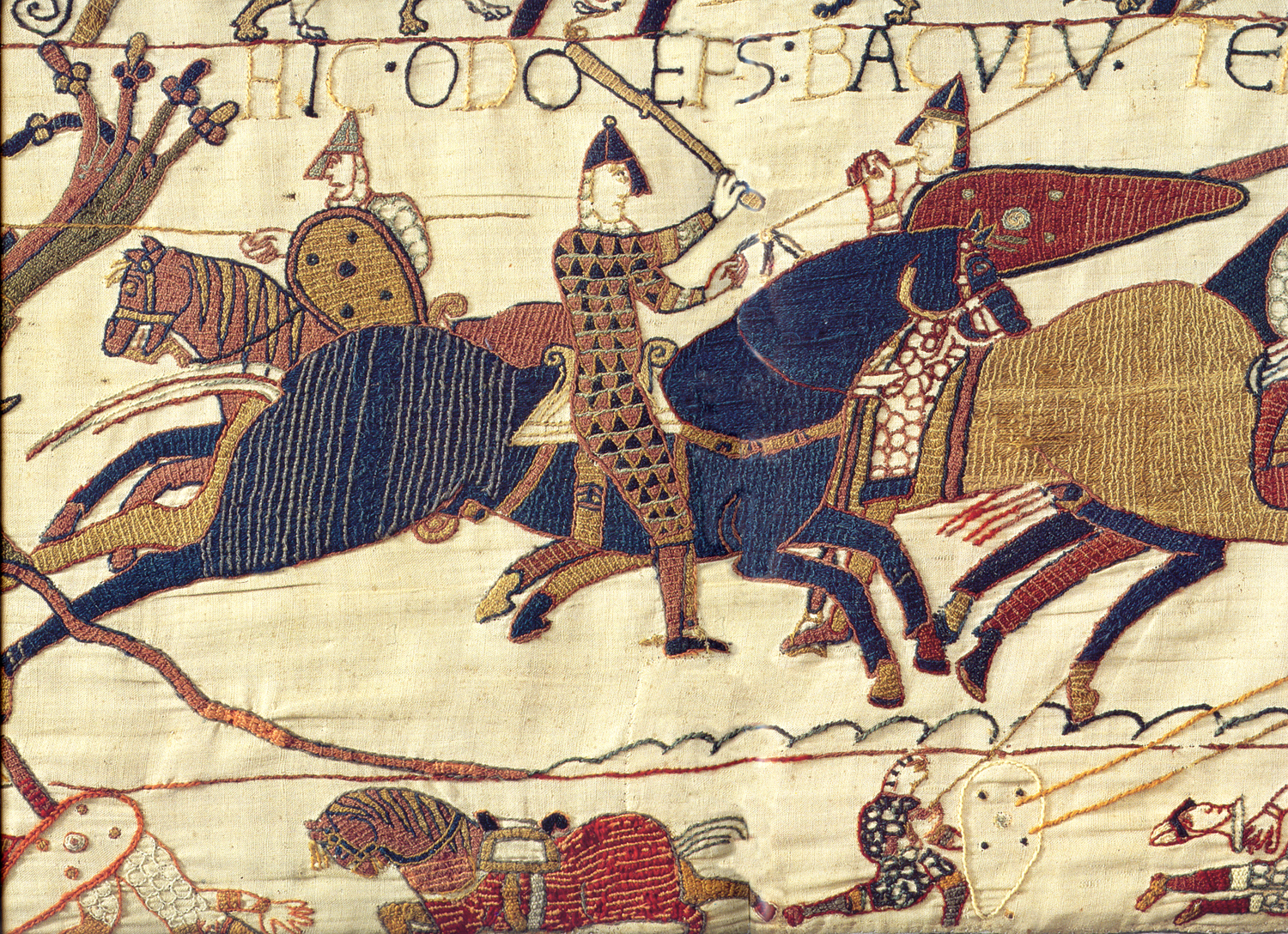
Cullinan did not claim the two situations were identical. His comments presented the Bayeux agreement as evidence that significant cultural objects can travel through ambitious partnerships between institutions and governments. That principle could still have a place in negotiations with Greece, which has indicated that reunification could be accompanied by loans of other Greek antiquities to Britain.
Mitsotakis has also proposed a wider cultural partnership involving exhibitions, scholarships, conversations, and museum exchanges. Greek Cultural Minister, Lina Mendoni, has made a similar case. She argues that restitution could establish a new period of cooperation between the two countries instead of ending their museum relationship.
Progress towards such an agreement remains uncertain. Reports in Britain have suggested negotiations between the Greek government and the British Museum are faltering, although sources close to the discussions have disputed claims that talks have collapsed. Mitsotakis continues to say an agreement is possible, but his rejection of a Bayeux-style loan makes clear that Athens has not softened its central demand.
The tapestry was meant to demonstrate what museums can accomplish through international lending. Its presence in London, however, has provided Greece with a particularly effective illustration of its own argument. Britain has borrowed a work from France and will give it back. Athens does not believe the same language can be applied to sculptures it has spent decades asking Britain to return permenantly.