Table of Contents
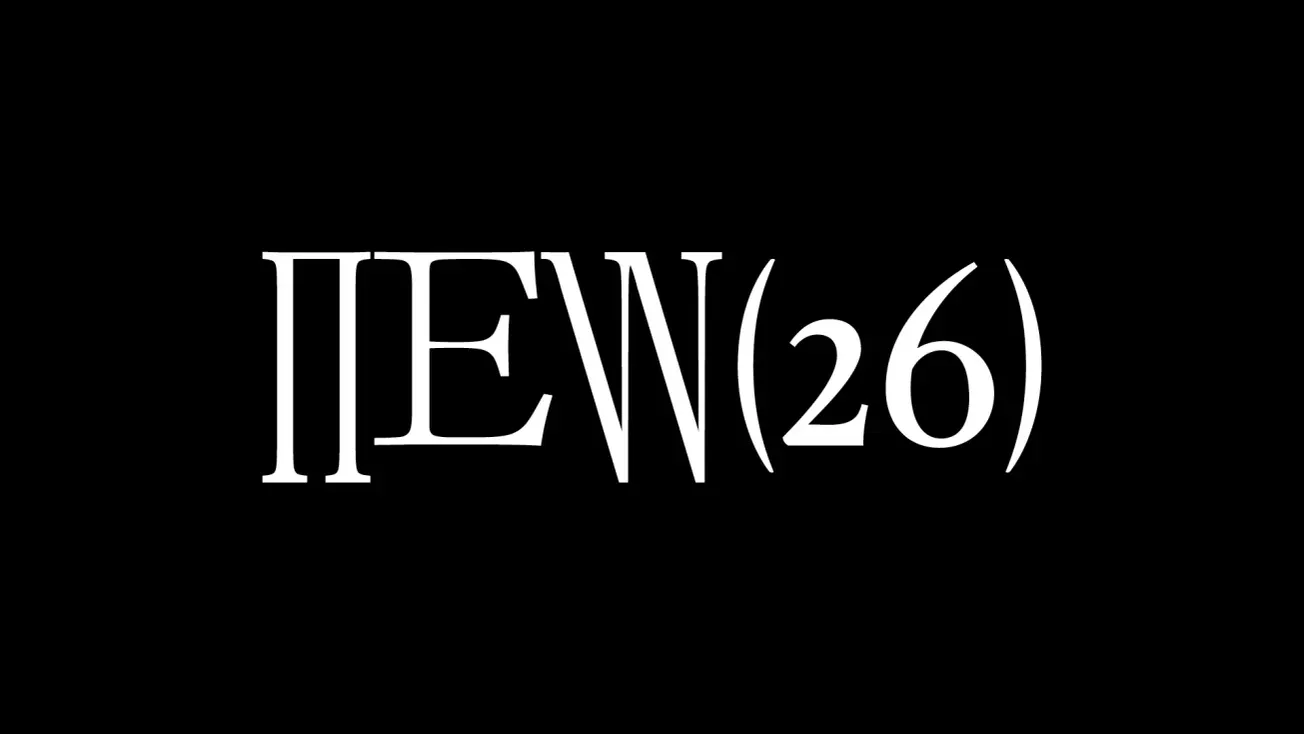
After a ten-year hiatus, one of ACCA's longest-running platforms for emerging artists is returning to Melbourne's exhibition calendar. This September, NEW returns with seven artists, seven newly commissioned bodies of work, and a considerable different cultural landscape to the one left behind.
Running from 18 September to 22 November 2026, NEW26 revives the Australian Centre for Contemporary Art's commissioning series, which originally ran between 2003 and 2016. Across that period, more than 100 artists participated, alongside 75 writers, and 10 guest curators. Its alumni now includes some of the country's established contemporary artists, among them Destiny Deacon, Marco Fusinato, Angelica Mesiti, Fiona Connor, and Kate Newby.
What makes NEW's return so significant is the history it has in supporting new and upcoming contemporary artist. The series was designed around artists still establishing their practices, giving them the resources and the institutional space to produce ambitious new work. Its revival comes at a point when many of the conditions surrounding contemporary art have shifted, and New26 appears interested in those changes.
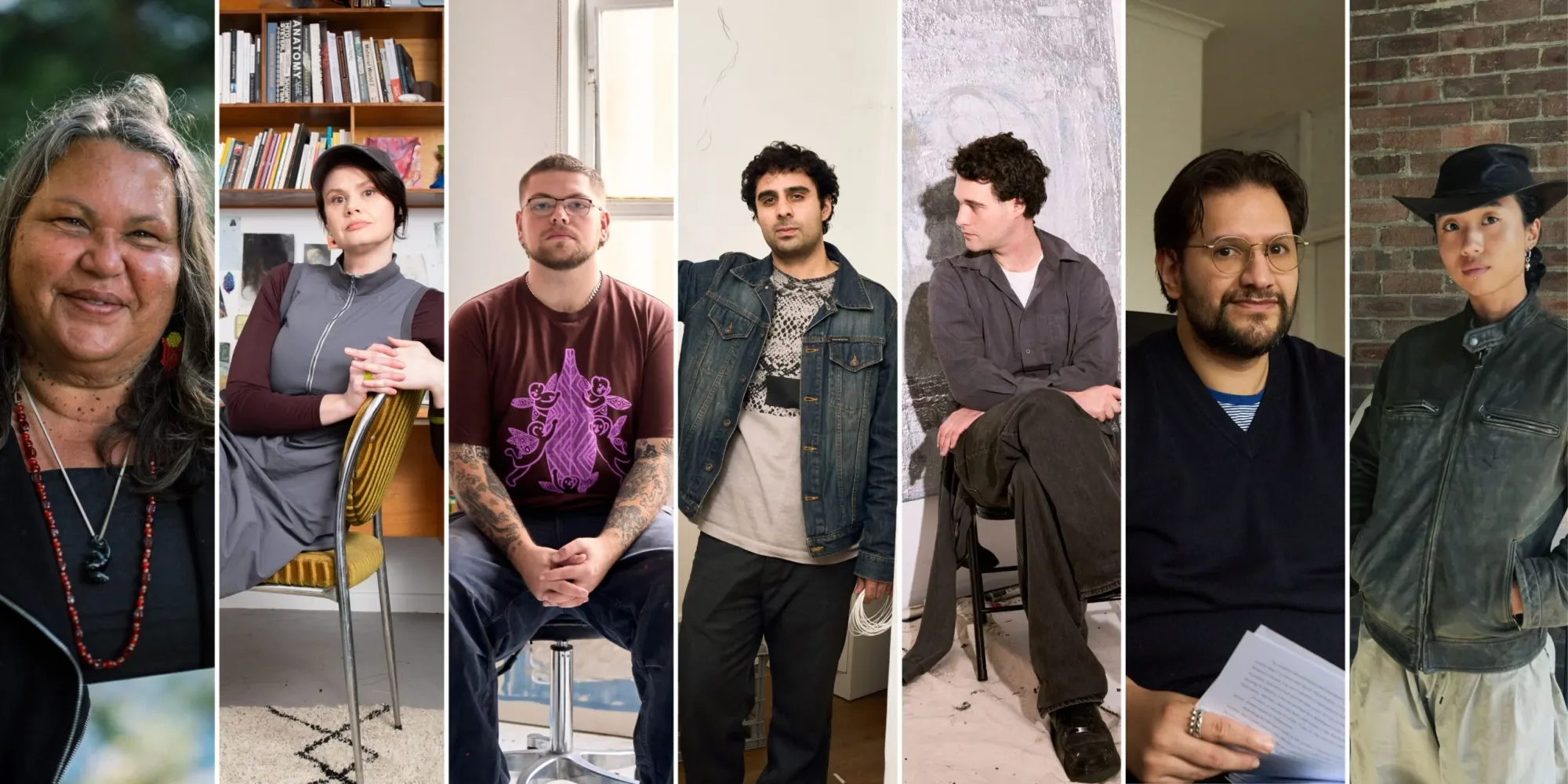
Curated by Dr Shelley McSpedden and Sophie Prince, the exhibition brings together Amanda Bell, Amanda Bennetts, Nicholas Currie, Naveed Farro, Caesar Florence-Howard, Diego Ramírez, and EJ Son. Each has developed a major site-specific commission with ACCA, spanning painting, moving image, ceramics, sound, installation, writing, and architectural intervention.
There is no single medium tying the seven artists together, nor one neat subject. Instead, their practices move through several concerns that have become increasingly difficult for contemporary artists to separate: technology and AI, cultural identity, disability, colonial histories, access to knowledge, and the responsibilities of the institutions that exhibit art.
Sunshine Coast artist, Amanda Bennetts, for example, approaches health and wellness through her experience of chronic illness and disability, considering the cultural, technological, and physical infrastructure surrounding the body. Iranian-Australian artist, Naveed Farro, works between traditional craftsmanship and digital knowledge across geopolitical borders.
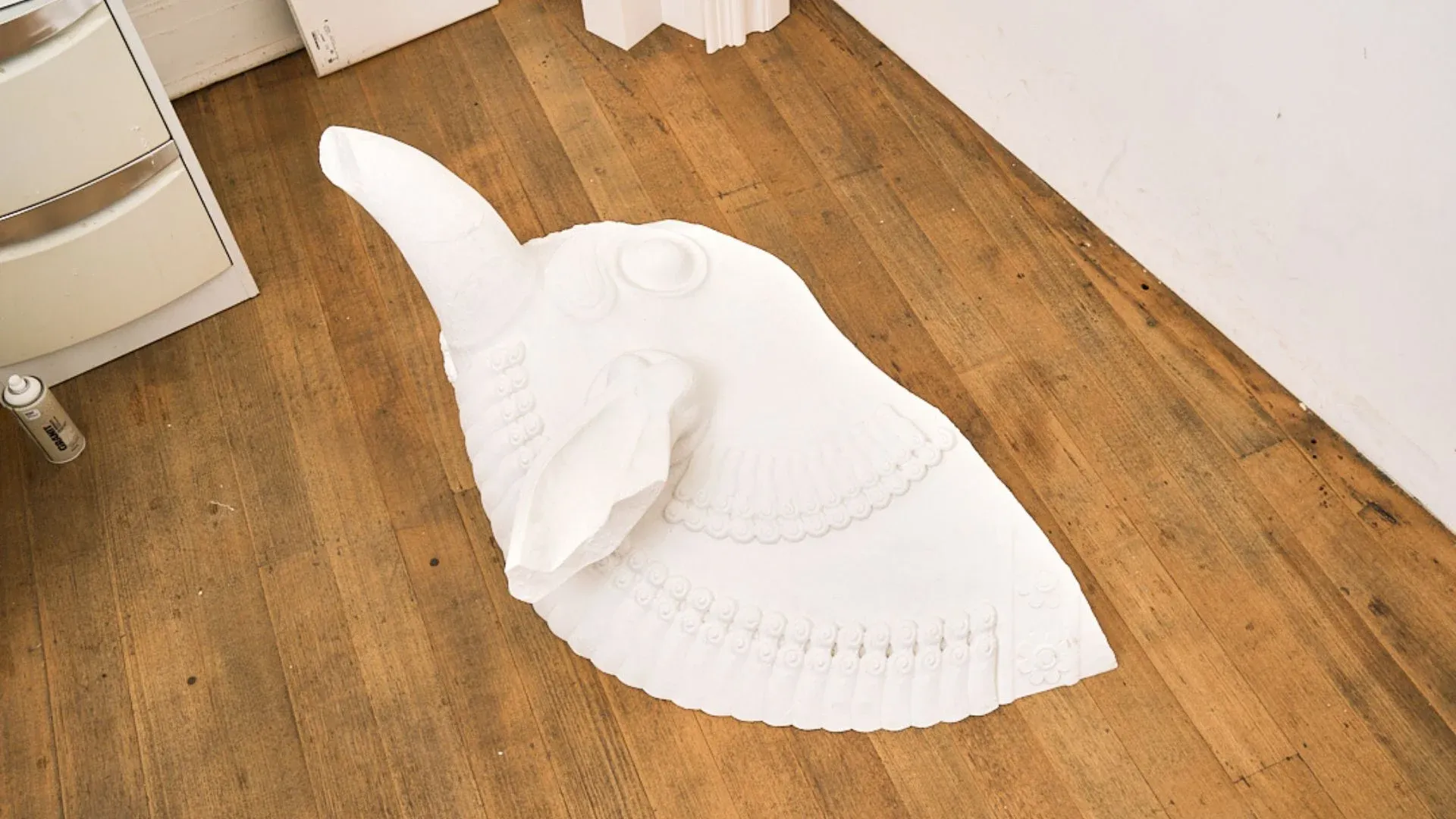
Amanda Bell, a Badimia Yamatji and Yued Noongar artist based on Warandi Country, works with language, power, and cultural identity, while Mununjali and Kuku Yalanji artist, Nicholas Currie draws on painting, sculpture, and performance to consider contemporary Indigenous identity and hauntology. Their inclusion places questions of history and cultural authority alongside the technologies and systems reshaping the present.
Elsewhere, Caesar Florence-Howards' paintings and drawings are concerned with accumulation, erasure, and the instability of images. Diego Ramírez turns attention towards the self, particularly the institutions and political conditions that determine how culture is produced and encountered. South Korean-born, Sydney-based artist, EJ Son uses sculpture, installation, performance, and humour to explore desire, fear, and subjectivity.
Taken together, the selection provides a useful picture of just how difficult it has become to define an "emerging Australian artist" through style alone. NEW26 moves acknowledges also mediums, painting, AI, traditional craftsmanship, digital technology, personal experience, and institutional critique. And, while there is a rise of these newer techniques, the older, more traditional processes remain to be used, however are using both to negotiate increasingly complicated cultural conditions.
That makes the decade-long gap in NEW particularly interesting. When the previous iteration ended in 2016, generative AI had not entered everyday creative life. The institutional language surrounding access and disability looked markedly different and Australian cultural organisations were at an earlier stage of reckoning with questions of colonial history, representation, and authority. NEW returns to artists working within these consequences of those changes rather than at their beginning.
ACCA's choice to revive the commissioning program rather than simply staging a survey of existing work is another point of significance. NEW26 asks its artists to extend their practices through newly developed commissions, placing experimentation at the centre of the exhibition. The result will ultimately determine how successfully that ambition translates into the gallery, but the structure itself gives emerging artists something increasingly valuable: time, resources, and room to make work at an institutional scale.
From 2026, NEW will run biennially, making this exhibition the beginning of another chapter rather than a one-off revival. Its first edition back does not attempt to nominate a single direction for Australian contemporary art. Instead, its seven artists point towards a field becoming broader in its materials, more conscious of the systems surrounding it, and increasingly willing to move between personal, cultural, and technological experience.
After ten years away, perhaps the most useful thing NEW26 can do is exactly what its original format allowed. To give artist enough space to show us where Australian art may be heading next.
NEW26 runs at the Australian Centre for Contemporary Art (ACCA), Melbourne, from 18 September to 22 November 2026. Entry is free.