Table of Contents
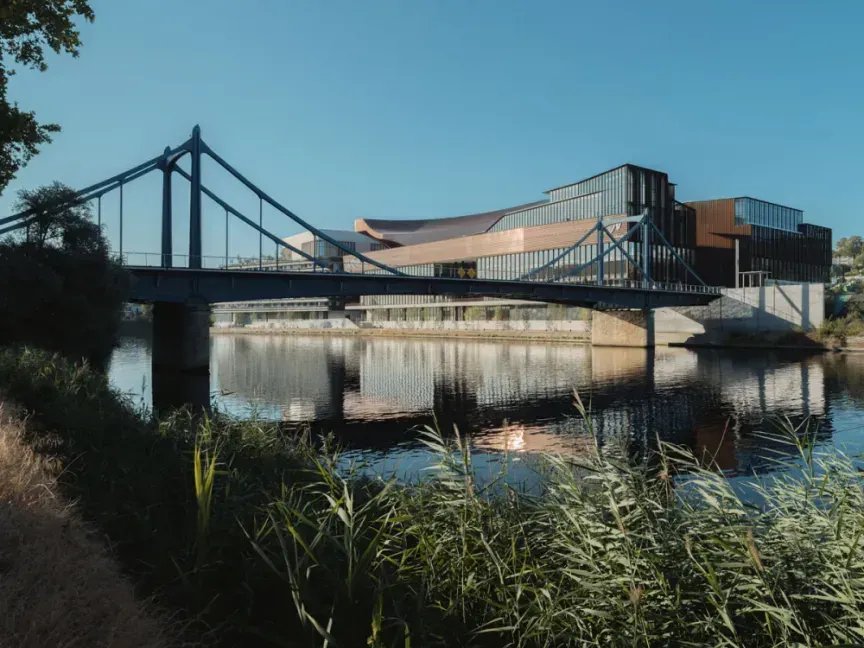
At Sydney's Carriageworks, visitors to the Festival of Dangerous Ideas were confronted with an unusual proposition: Take off your shoes, pick up a trowel, and start digging.
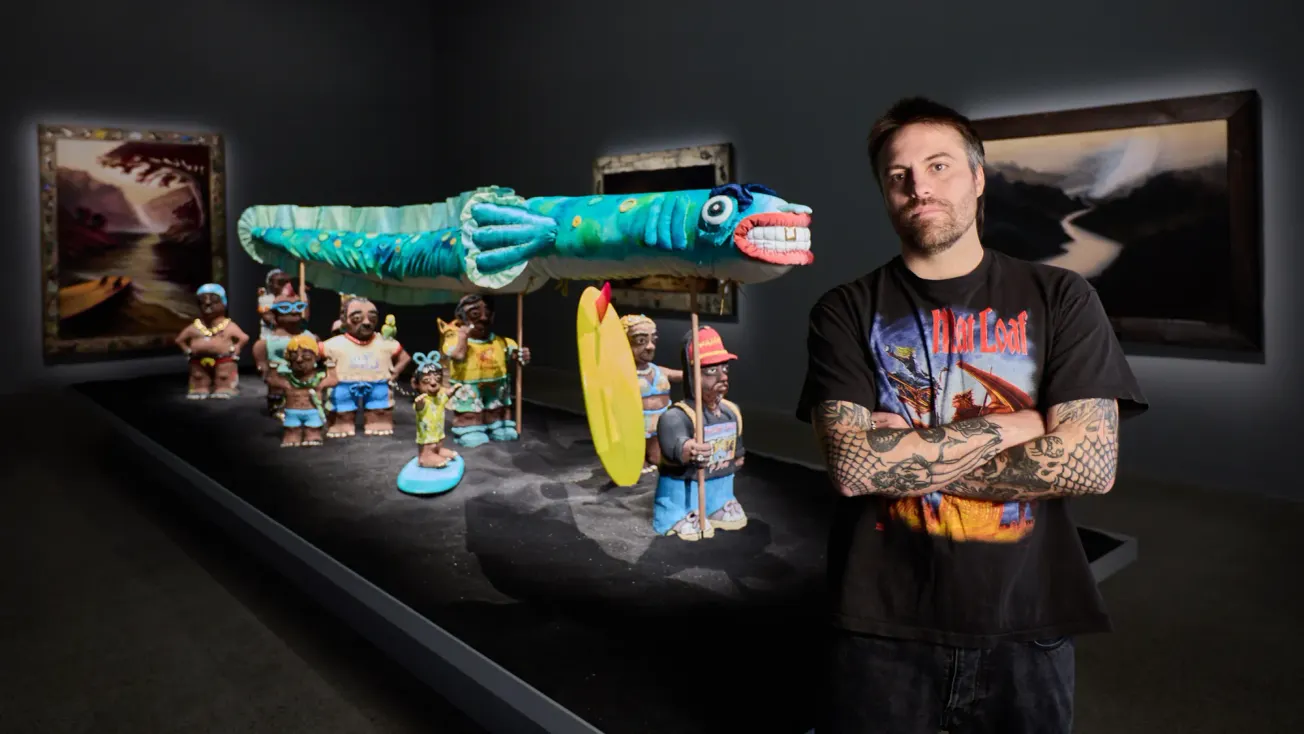
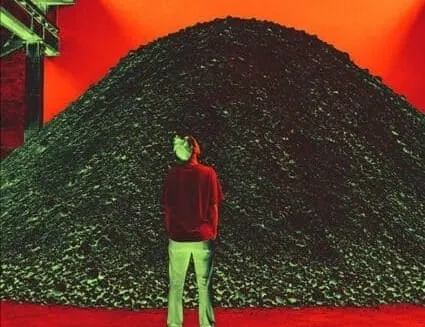
Beneath 120 tonnes of earth lay 80 works by eight Australian artists deliberately buried as part of HEAP, an installation conceived by festival director Danielle Harvey and creative produce Cecily Hardy. Part exhibition, part archaeological dig, the work transformed the gallery experience into something physical, uncertain, and communal.
The premise of the exhibition was simple. Each buried artwork represented a "dangerous idea", defined by Harvey as something with the potential to change the world if taken seriously. As visitors unearthed the works, they surrendered them to a nearby display, gradually revealing an exhibition that did not fully exist until its audience created it.
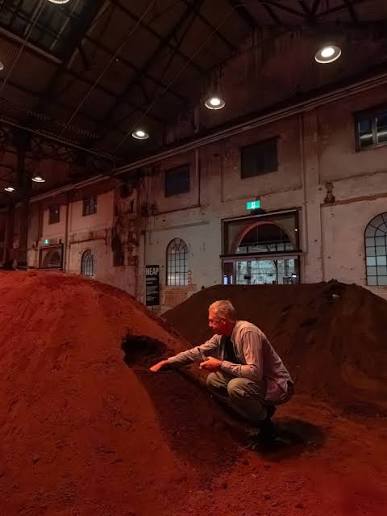
There is an obvious pleasure in the treasure hunt, but HEAP becomes more interesting when considering what it means to dig in an Australian context. Harvey has acknowledged the metaphor directly. Australia is a country whose wealth has been closely tied to mining and extraction , while its history also contains knowledge, cultures, and perspectives that have been suppressed, overlooked, or misunderstood. Digging something out of the earth inevitable raises questions about who decides what is valuable once it reaches the surface. The artists approached those questions differently.
Wirandjuri arists, Brook Andrew, buried canisters containing medicinal and edible plants associated with Indigenous knowledge systems across Australia, the Americas, and the Middle East. Some, including coca and Brugmansia, have been classified as dangerous through Western legal or medical frameworks despite long histories of cultural, medicinal, and spiritual use. His work asks audiences to consider how knowledge becomes labelled legitimate, primitive, medicinal, or dangerous depending on who holds the authority to describe it.
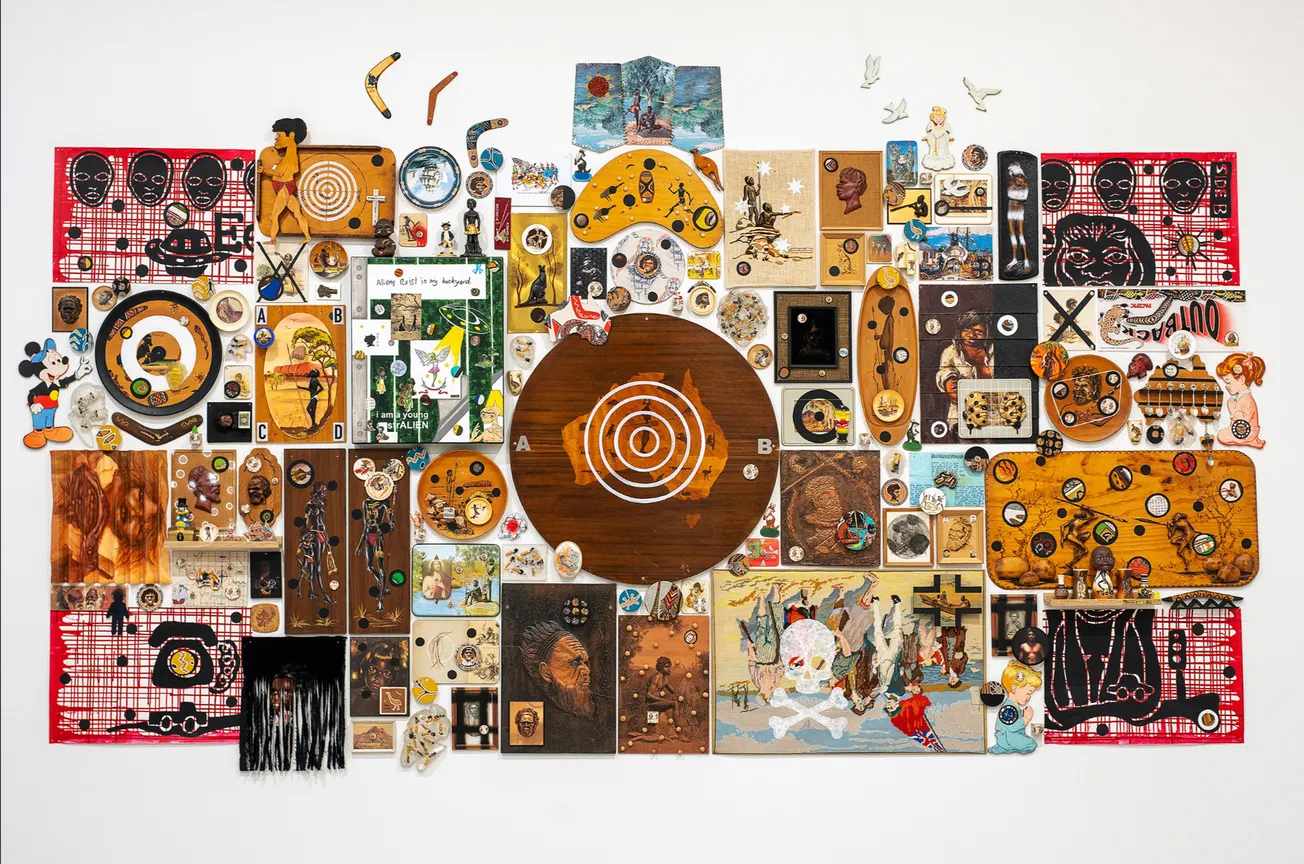
Gumbaynggir artist, Aretha Brown, working with members of queer women's collective, Kiss My Art, turned to another contested symbol: the Australian flag. Their quilt reimagined the flag through queer and First Nations perspectives before being sealed inside a suitcase and buried. The work sparks ideas about national identity and who gets represented by the symbols intended to speak for an entire country.
Elsewhere, Sophie Penkethman-Young negotiated a fictional labour agreement with her 3D printer, restricting its working week to 38 hours, rather than allowing it to produce continuously. The resulting tiles ask a surprisingly timely question about automation: If technology makes endless production possible, does that automatically make endless production desirable?
Other works approached danger personally rather than politically. Tim Silver buried a human figure made from hardened dirt, reflecting emotional withdrawal, while Tarryn Gill created a funerary urn concerned with mortality, ageing, and the unsettling recognition that time itself is finite.
Together, these works complicate the idea that "dangerous" must mean shocking or provocative. In HEAP, danger can sit inside an alternative knowledge system, a national symbol, our relationship with machines, or the uncomfortable fact of mortality.
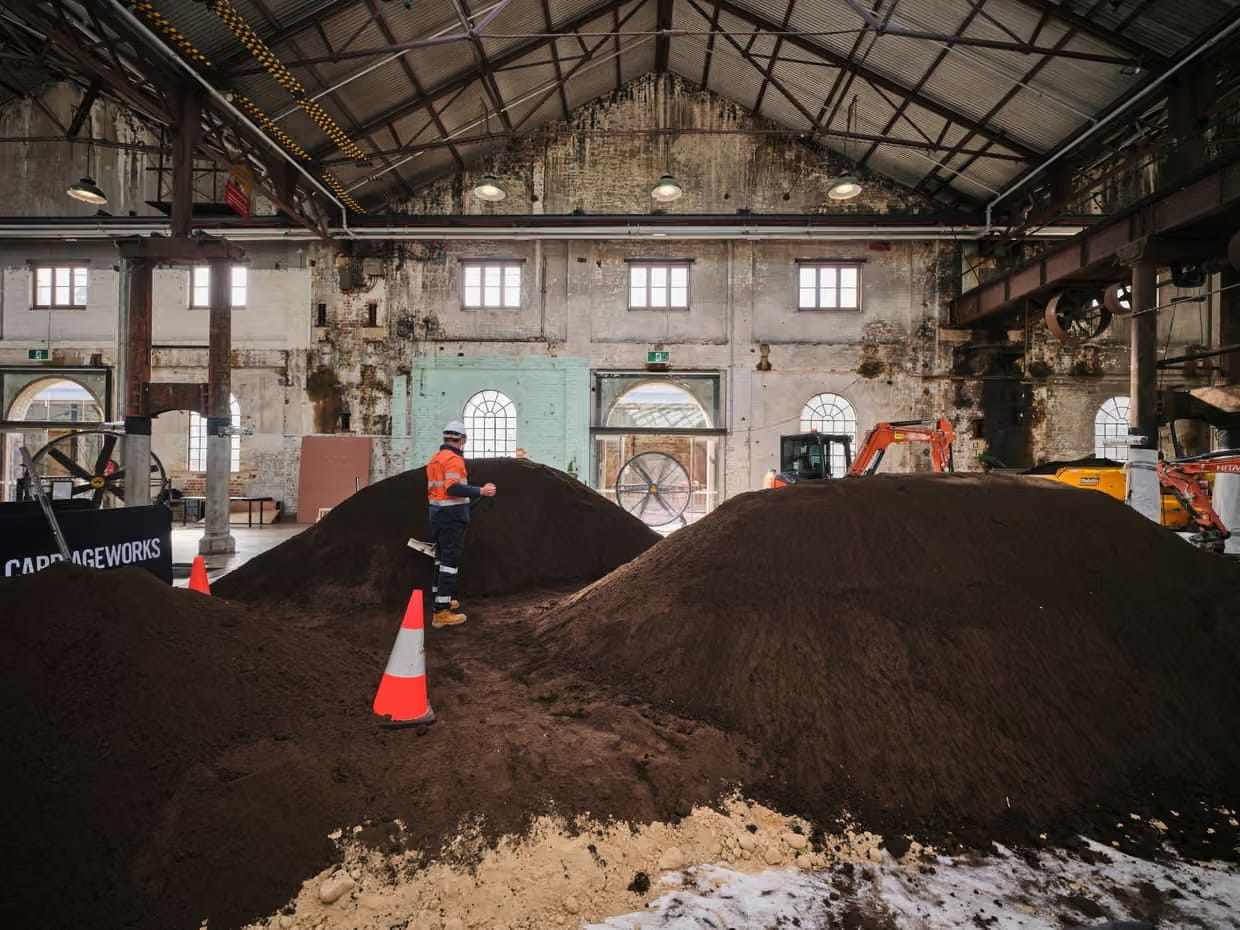
The audience's role matters too. Most galleries ask visitors to encounter art after curators and artists have already decided how it should be presented. HEAP withheld that certainty. People did not know what they would uncover, in what order, or how one discovery might change the meaning of the next. The exhibition developed through participation.
For educators, that offers a more useful lesson than simply making students "work harder" for knowledge. HEAP demonstrates how participation can change the relationship someone has with an idea. There is a difference between being shown an object and discovering it yourself, just as there is a difference between being told which questions matter and being given enough uncertainty to formulate your own.
That does not mean every classroom needs its own archaeological dig. It does suggest that learning can become richer when students have some responsibility for uncovering, interpreting, and questioning what they encounter.
Perhaps that is the strongest idea buried HEAP. Discovery is rarely neutral. What we choose to excavate, what we leave buried, and what we decide is valuable once it reaches the surface can reveal as much about us as the object itself.