Table of Contents
After two decades of plannings, delays, and controversy, Guggenheim Abu Dhabi finally has an opening date.
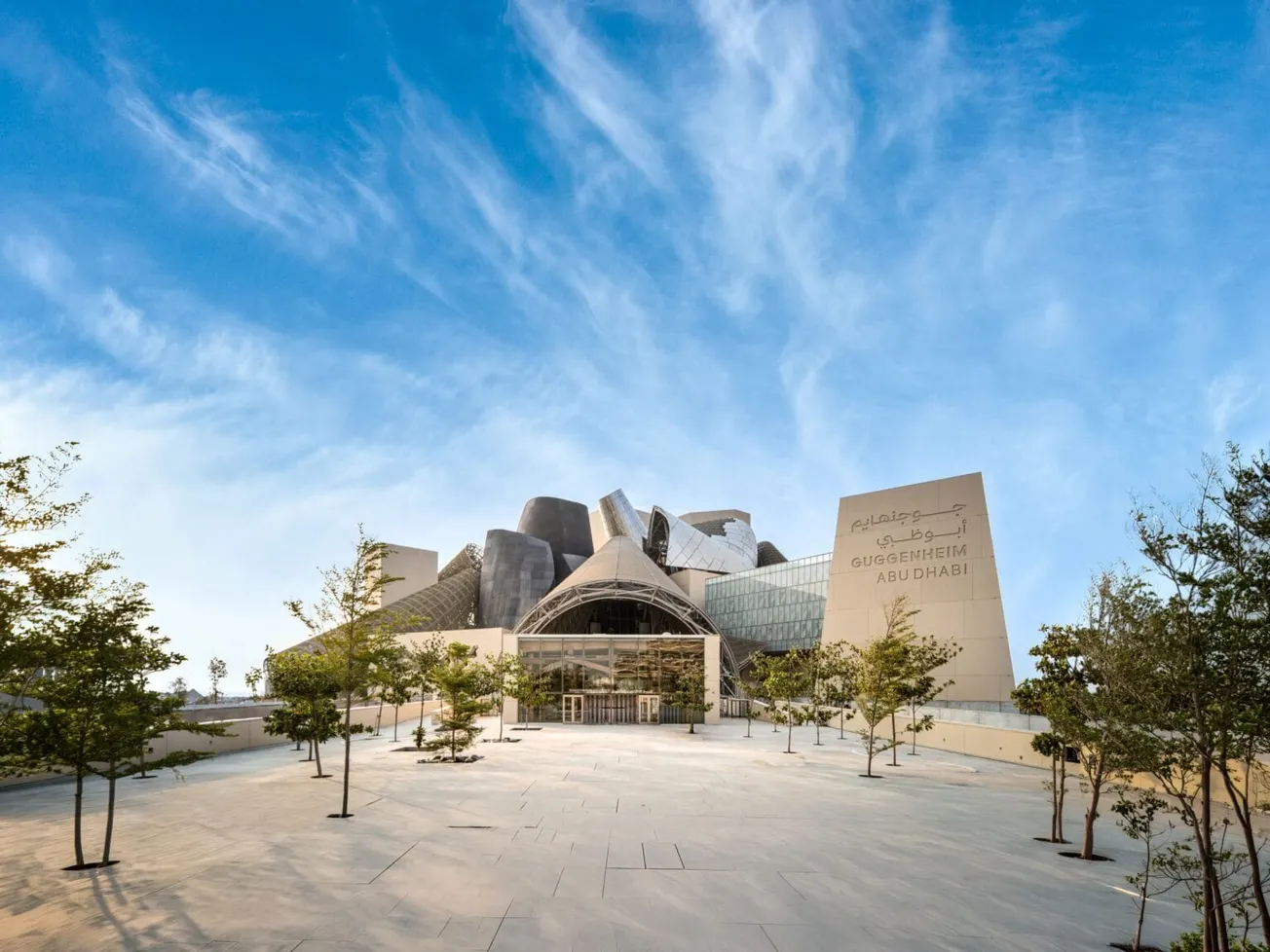
The museum is set to open on December 11, 2026, on Saadiyat Island, becoming the fourth institution in the Guggenheim network and its largest. Designed by the late Frank Gehry, the 80,000 sqm complex will contain 30 galleries, with 11,600 sqm of indoor gallery space as well as a further 23,000 sqm devoted to outdoors exhibitions.
Its scale is significant, but so is its location. Guggenheim Abu Dhabi arrives as part of a much larger attempt to establish the UAE capital as a centre of international cultural influence. Saadiyat Cultural District already includes Louvre Abu Dhabi, Zayed National Museum, Natural History Museum Abu Dhabi, and teamLab Phenomena Abu Dhabi. The Guggenheim adds another major international name to a cultural precinct that has taken billions of dollars and decades to develop.
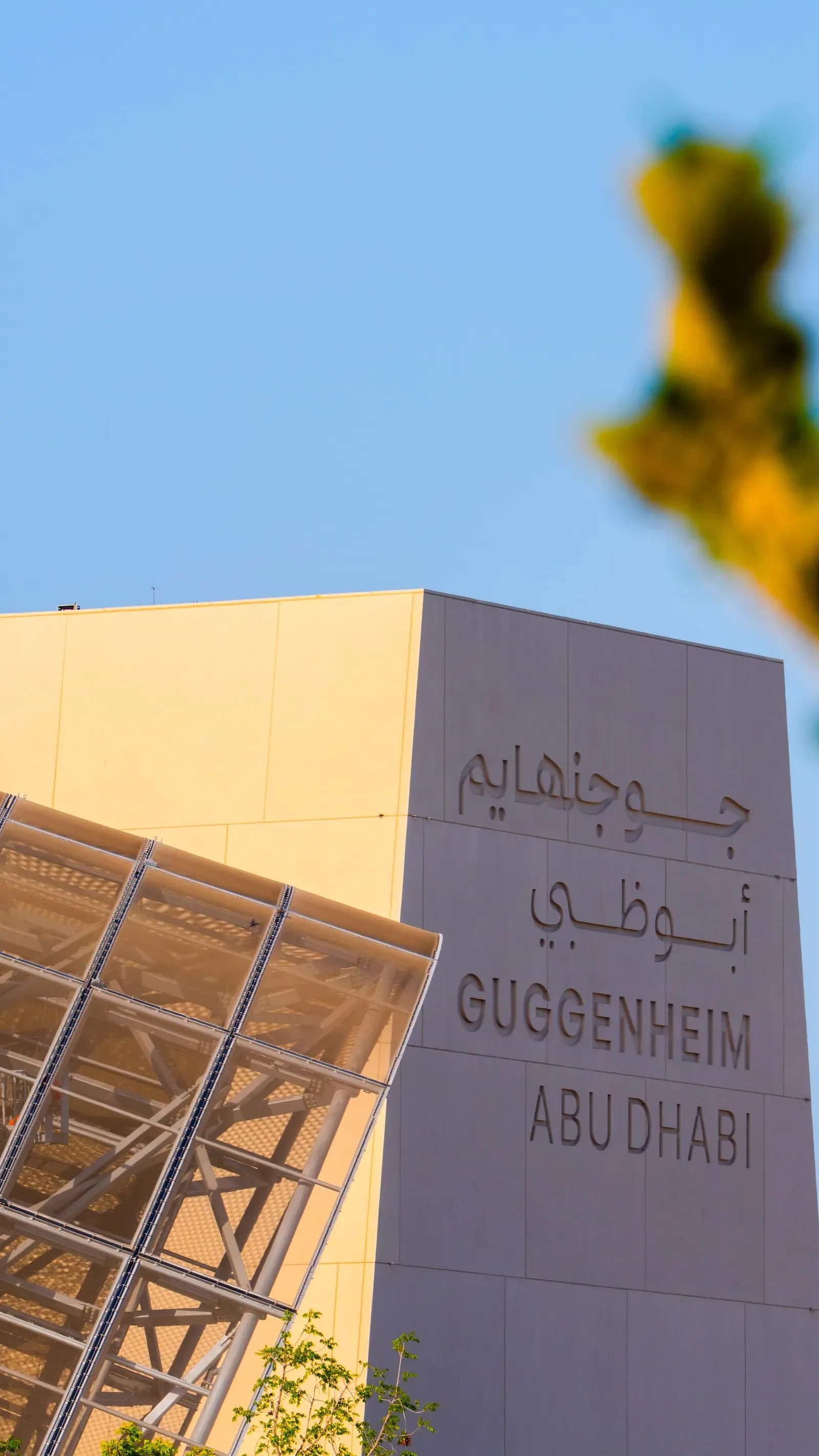
First announced in 2006, the museum was initially expected to open in 2013. Construction began in 2011 before stalling amid economic pressures and contractual changes, eventually resuming in 2019. A later 2025 completion target also passed. By the time visitors enter in December, the project would have been 20 years in the making.
The museum has spent much of that time building its collection. Acquisitions began in 2009, with a focus on modern and contemporary arts since the 1960s. Rather than presenting art through a conventional chronological history, its galleries will explore themes including abstraction, popular culture, land, language, and storytelling.
That approach is central to the museum's ambitions. Its collection will include artists across continents, with particular attention given to practices connected to West Asia, North Africa, and South Asia. In doing so, Guggenheim Abu Dhabi has an opportunity to complicate a history of modern and contemporary art that is still heavily shaped by European and American institutions.
The importance of this gallery lies less in simply adding artists outside the Western canon and more in presenting artist developments as interconnected. Modernism did not unfold neatly in Paris, London, and New York before spreading elsewhere. Artists in the Middle East, Africa, and Asia were developing their own practices within district political, social, and cultural conditions, while participating in international networks of exchange.
A museum of this size can give those histories greater institutional visibility. It can also shift where cultural authority sits. Abu Dhabi is no longer positioning itself as a destination for touring exhibitions or imported culture, but as a place seeking a role in defining how global art history is collected and presented.
However, this ambition also brings along scrutiny. The treatment of migrant workers involved in the development of Saadiyat Island has attracted criticism from artists and human rights organisations for years. The concerns about labour conditions became closely associated with the Guggenheim project, prompting protests and sustained pressure on the institution. Those issues remain part of the museum's history and complicate the celebratory language surrounding its eventual opening.
There are broader questions around cultural power, too. This museum is a partnership between the Solomon R. Guggenheim Foundation and Abu Dhabi's Department of Culture and Tourism, while works acquired for its collection belong to the Abu Dhabi government. Its attempt to broaden the art historical canon therefore sits alonside the UAE's substantial investment in culture as part of its international indentity and influence.
Neither reality cancels out the other. Guggenheim Abu Dhabi can provide meaningful space for artists and histories underrepresented by major Western museums while remaining a product of an enormous state investment and development with a contested labour history.
Gehry's architecture embodies some of that scale and ambition. Ten enormous sculptural cones rise around the central atrium, reaching up to 88 metres and creating the irregular silhouette that defines the building. Nine are wrapped in stainless steel mesh, while another uses onyx and glass. The cones also provide shade and natural ventilation, adapting Gehry's characteristically monumental architecture to the Gulf climate.
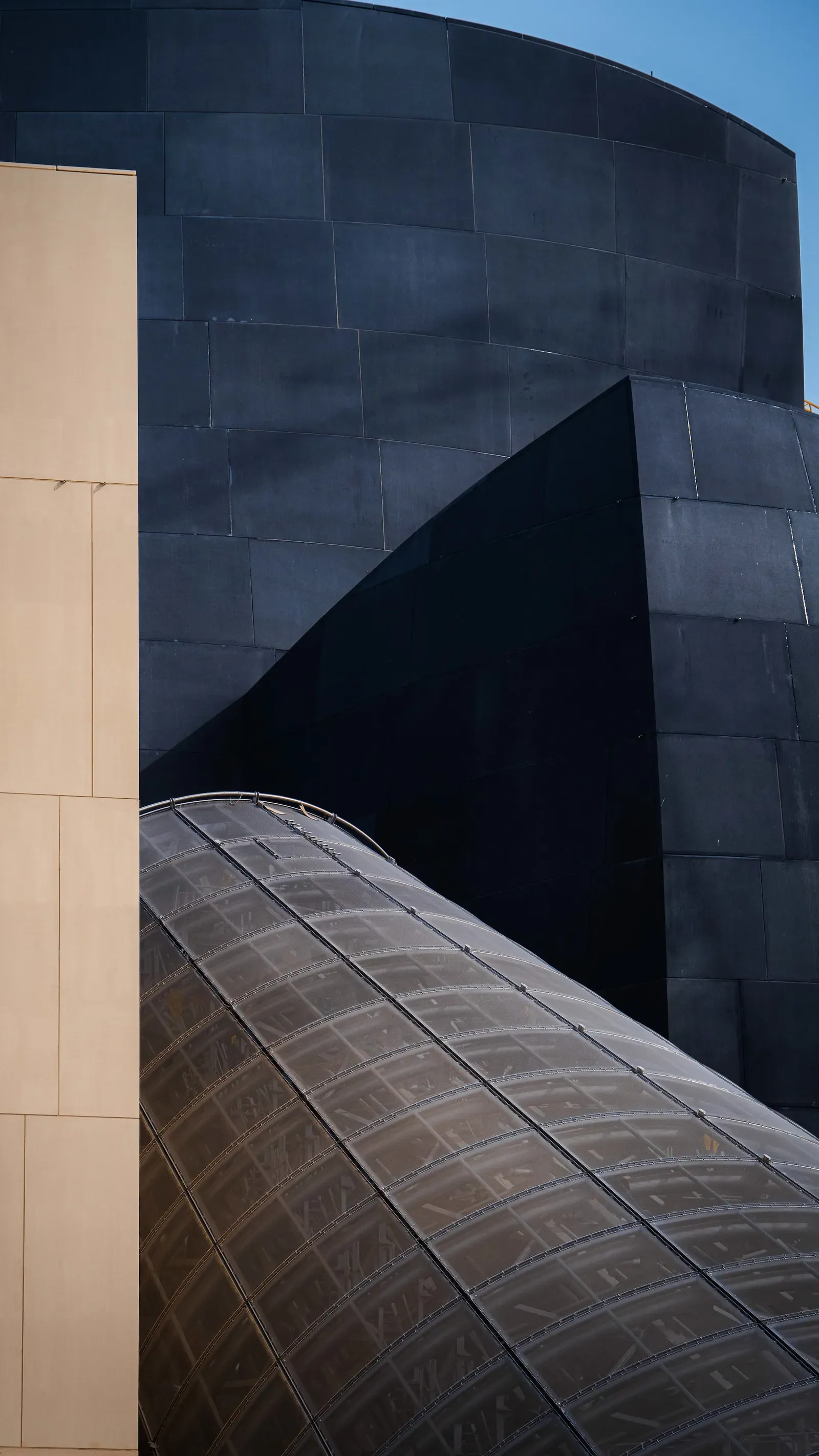
When Guggenheim Abu Dhabi opens in December, attention will inevitably fall on that building. The more consequential test will come from the inside.
After 20 years of anticipation, the museum now has the chance to demonstrate what a genuinely broader account of modern and contemporary art can look like, and how much the centre of the international museum world is capable of shifting.