Table of Contents
For decades, the commercial gallery has held a powerful position in the art world. Galleries discover artists, introduce them to collectors, organise exhibitions, and help determine whose work deserves the attention. This power is becoming harder to maintain.
Rising rents, expensive art fairs, and changing collector habits are putting pressure on the traditional gallery model, particularly for small and mid-size businesses. The art market itself has also changed. Recent Art Basel and UBS reporting has shown weakness at the expensive end of the market alongside greater activity at lower price points. This suggests that collectors are still buying art, but not necessarily in the way galleries once relied upon.
Digital platforms have also helped to accelerate this change. Artists can now build substantial audiences on Instagram and TikTok, sell directly through their own websites, and communicate with collectors without waiting for gallery representation. Buyers, meanwhile, can encounter an artist online, research their work, and make contact without ever entering a physical exhibition.
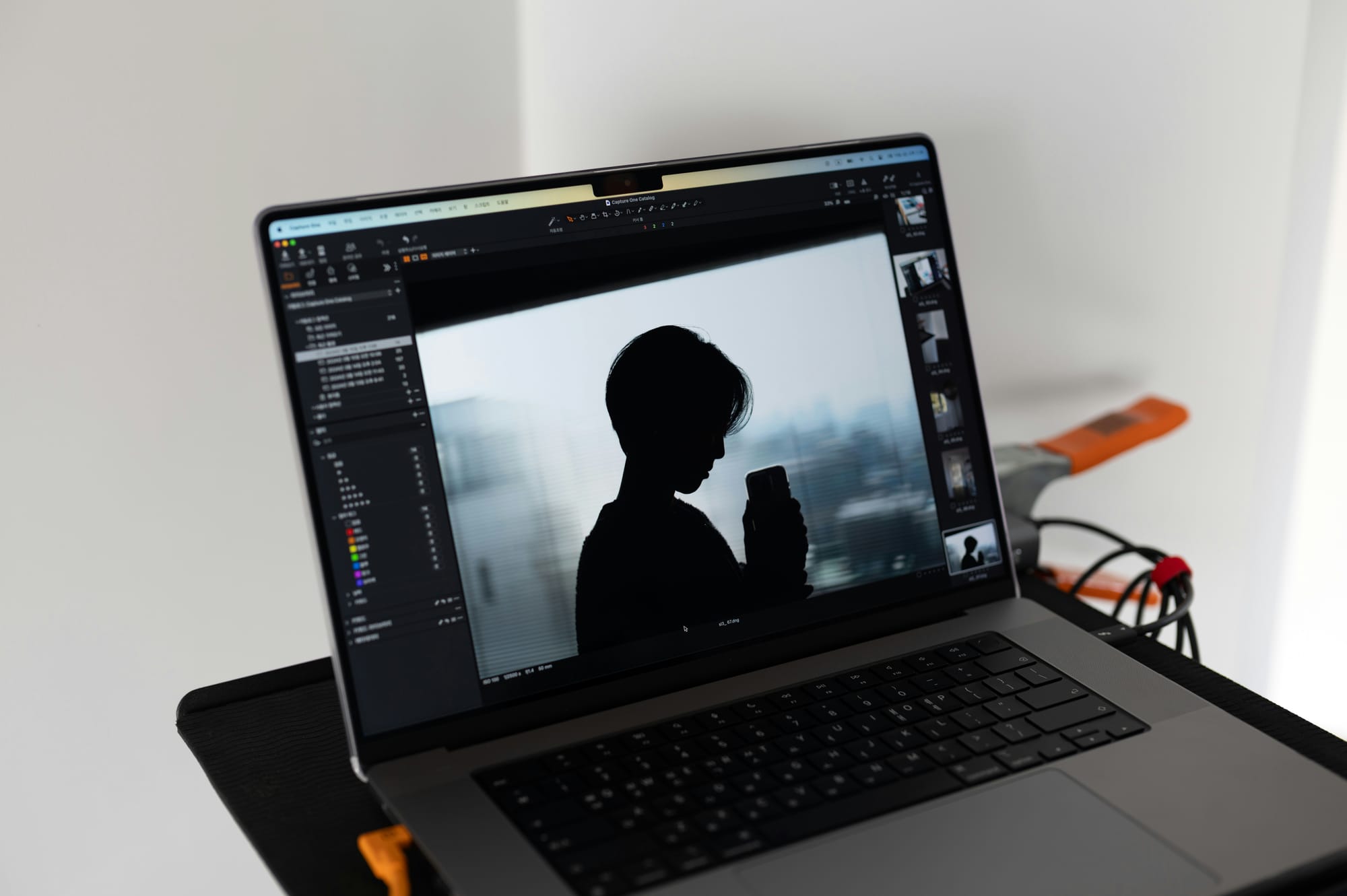
This level of accessibility is significant for emerging artists. Gallery representation has traditionally offered credibility and a pathway into the commercial art world, but it has also concentrated influence among a relatively small group of dealers, curators, and collectors. Social media gives artists another route, particularly those whose work or background may have struggled to gain attention through established institutions.
But removing one gatekeeper does not necessarily create a gatekeeper-free art world. Online visibility is shaped by algorithms, engagement, and the ability to continually produce content. An artist who photographs well, understands social media, or attracts viral attention can gain enormous exposure. However, the attention gained does not automatically reflect the quality or longevity of the work. Celebrities can complicate the picture further, allowing an existing public profile to generate demand that an unknown artist may spend years trying to build.
So, for that reason, galleries still have something important to offer. A good gallery does considerably more than provide four white walls and a process sales. It can invest in an artist over years, introduce their work to institutions and serious collectors, organise exhibitions, manage logistics, and help establish a body of work within a broader artistic context. While collectors may be faced with an almost limitless online market, thoughtful curation can also be useful rather than restrictive.
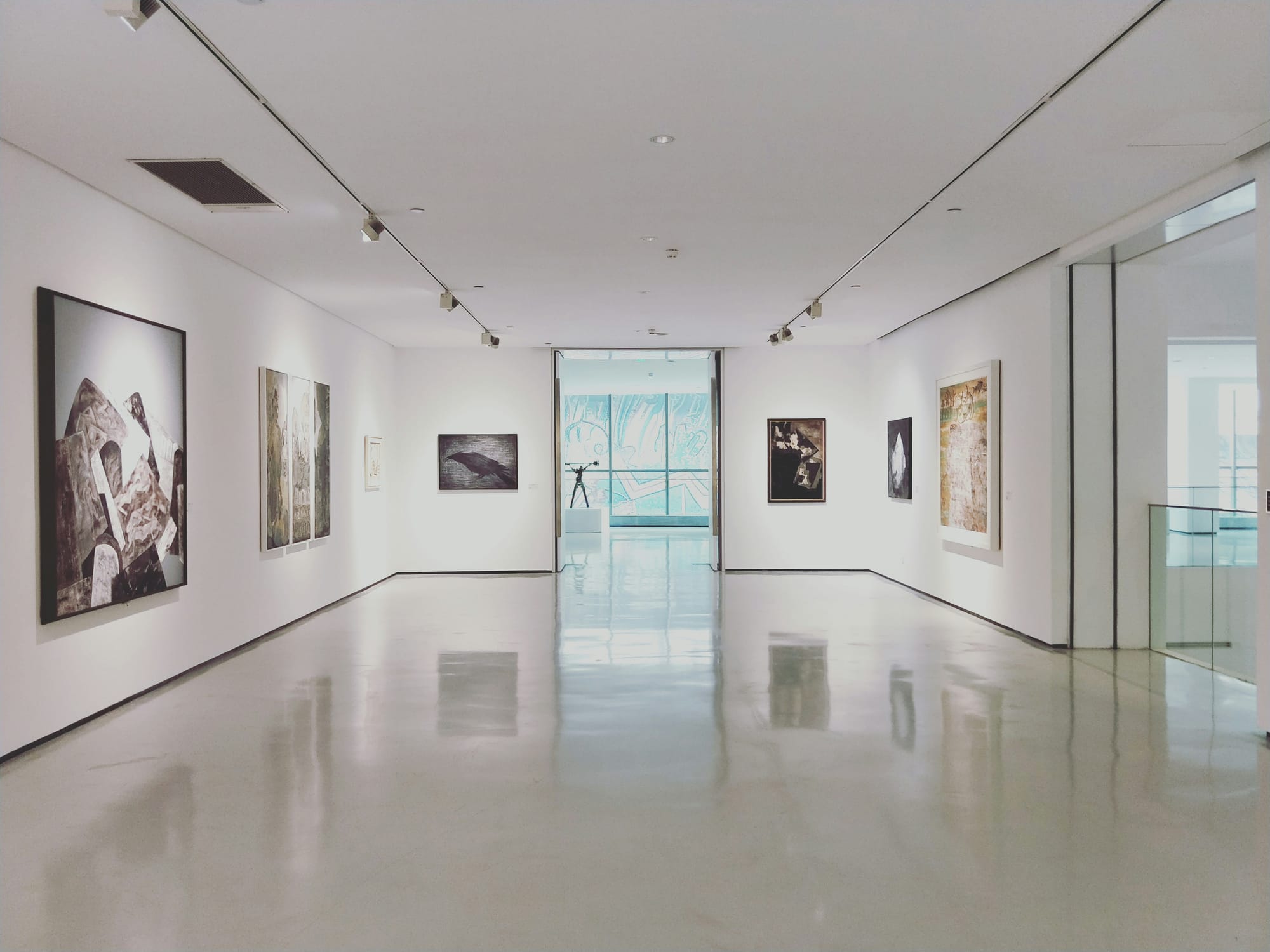
What appears to be disappearing, then, is not the gallery itself, but the assumption that a gallery must look and operate in one particular way.
Smaller spaces, temporary exhibitions, artist-run projects, online releases, and businesses that combine art with design, retail, or events are already expanding what a commercial gallery can be. Even established galleries are being forced to reconsider the cost of permanent spaces, large artist rosters, and constant participation in international fairs.
There is a trade-off. A more open art market can give artists greater control over their careers and allow collectors to discover work outside traditional networks. At the same time, a market driven heavily by online attention risks rewarding immediacy over sustained artistic development.
So predictions of the gallery's death may be premature. People still want to encounter art physically, artists still benefit from advocacy, and collectors still seek expertise. What is changing is the gallery's monopoly over those relationships.
The galleries will most likely survive if they can demonstrate why they remain valuable when artists and collectors no longer have to go through them.