Table of Contents
Life finds a way, and in this world no-one is going to do it for you.
Soula Mantalvanos set out to find her own tools to deal with an incredibly debilitating injury. The Hurting Strings is an Artist’s story of pain and is intended to raise awareness of Pudendal nerve pain so that others with the same injury can get it diagnosed and managed more quickly.
Of the very many things that set humans apart from all else, certainly the most beautiful is our ability to express our lives creatively. If emotions were viscous, then life would surely be the palette for the artist to dip their brush. I can’t count the times an artist has expressed the notion “I need to paint just as I need to breathe”. So what happens when that ability to express is cut short?
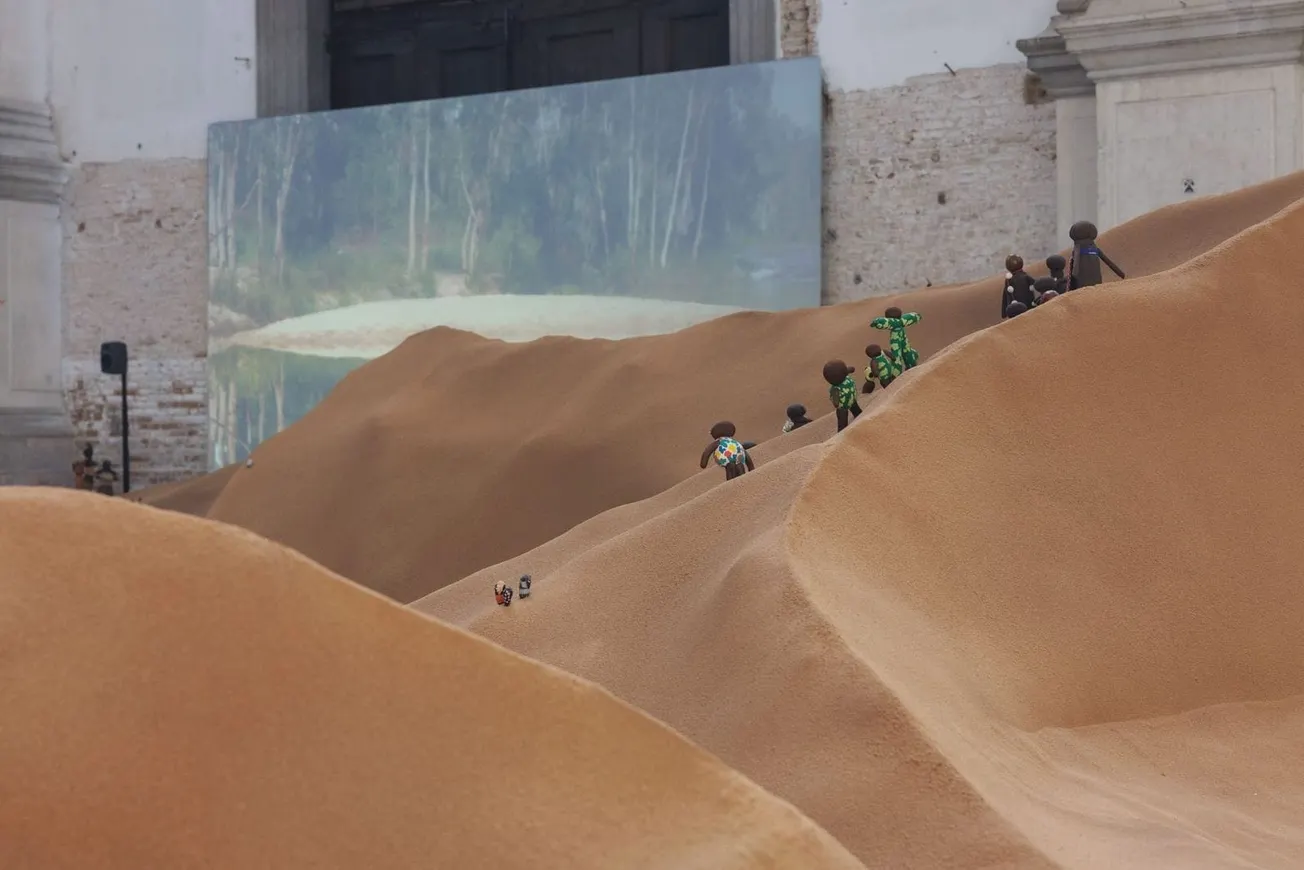
The Hurting Strings title occurred to me after thinking about the things Soula created as an expression of her accident and the devastating effects the resulting incapacity had on herself and her family. Odd yet perfectly fitting in one, the idea of a Marionette dubbed Ms. Soula delivered the title. The metaphor makes it patently clear that the strings that guide our lives are sometimes not ours to pull, and in Soula’s case, they are indeed the hurting strings.
I visited Soula about doing a film on an artist, but as we spoke this other undercurrent kept tugging and pulling and it made me uneasy. Enough to make me change focus and step out of my own comfort zone, and in that I found I was in good and plentiful company.
Telling the “I hurt myself and it changed my life” story would, on the surface be difficult to avoid the mundane – after all, people have accidents all the time. The path Soula found to deal with it is anything but ordinary. As her sister Koula says “She found the tools she needed” and in the same way a river finds it’s way to the sea, the story unfolded as a voyage of discovery and relentless creativity. “No-one will do it for you” is as much a call to action as it is a statement of abject reality.
The film then is one of humanity and being human, the inhumanity of a system designed to avoid providing the help it promises. How selfishness and selflessness can be the same, how the inability to deal with the things we can’t see isn’t through lack of want, it’s through lack of definition.
These are interesting stories. Stories worth telling, certainly stories worth reflection.