Table of Contents
Here's a riddle. A billionaire builds a museum dedicated to the stories that shape pop-culture. He calls it a place for "the people's art" and builds it near hundreds of schools. Then, before opening day, the museum cuts staff across education and public programming. Later, it announces a $25 adult ticket and memberships costing up to $600 a year.
So, what story is the museum telling about itself?
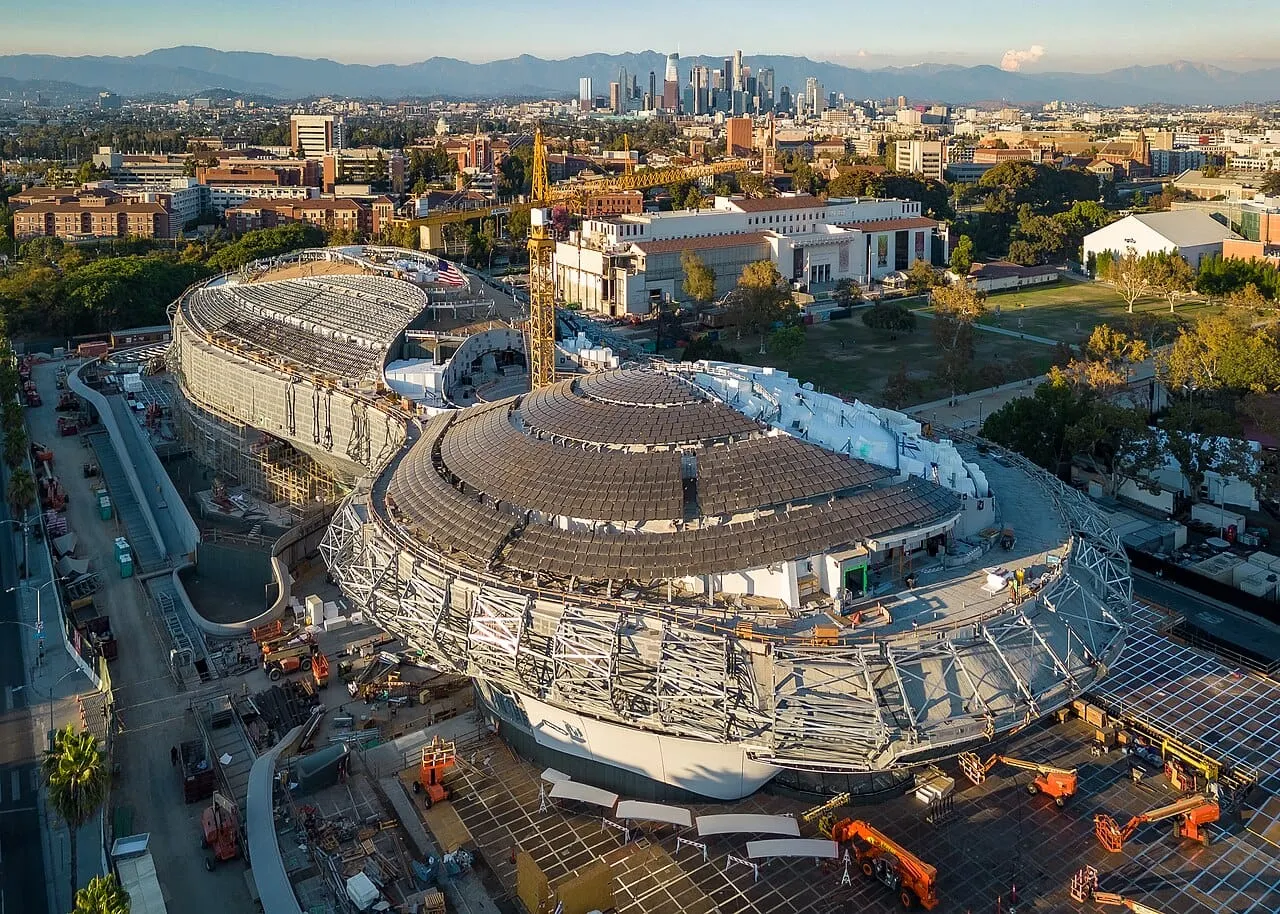
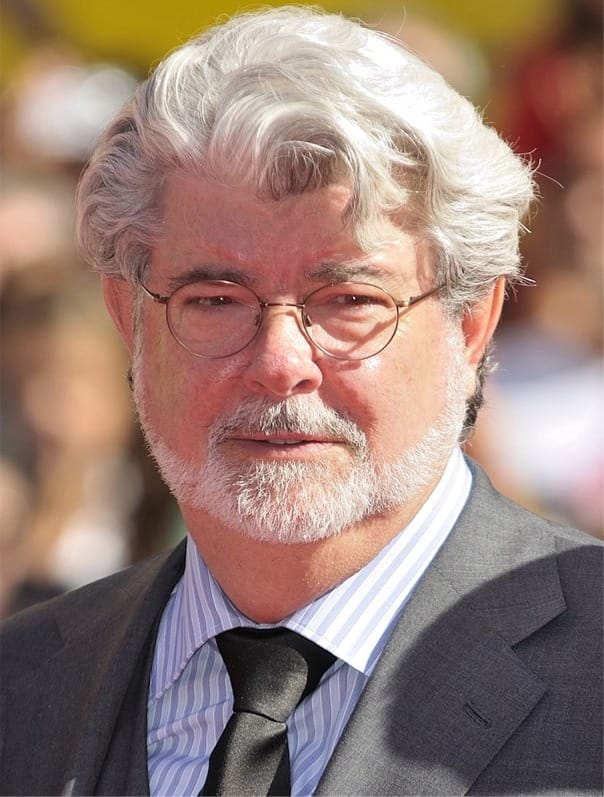
The Lucas Museum of Narrative Art is set to open in Los Angeles on September 22. Founded by Star Wars Director George Lucas and Mellody Hobson, the $1 billion museum promises an unusual collection spanning painting, photography, illustration, animation, cinema, and digital art.
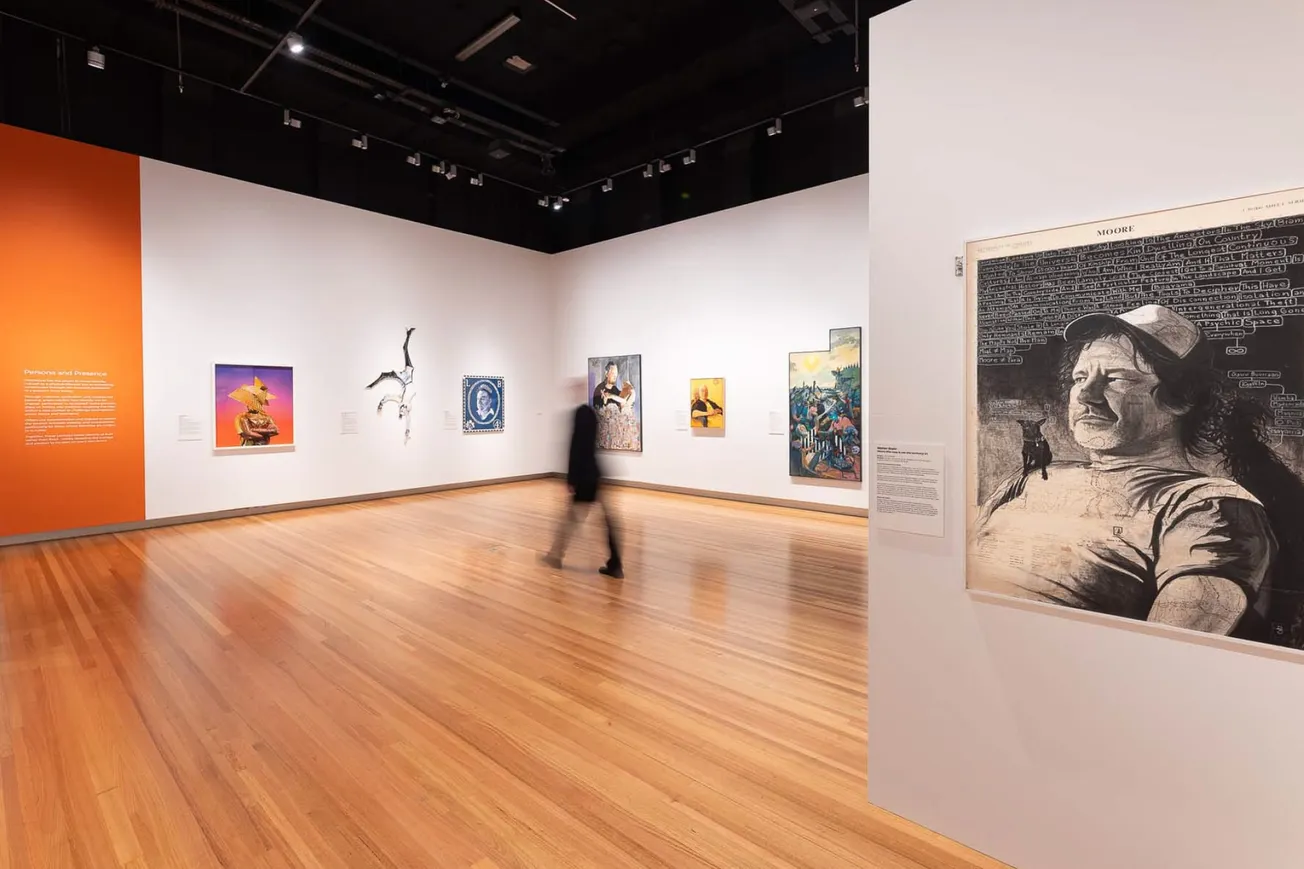
Works by Frida Kahlo, Kerry James Marshall, and Robert Colescott will sit alongside film objects and popular art. The museum will also hold more than 37,000 items linked to African American cinema. Yet, before anyone has even walked through the doors, questions about accessibility are already taking centre stage.
A museum for "the people", but at what price?
Adult admission will cost $25, while annual memberships range from $140 to $600 per year. Critics have questioned why a museum backed by a billionaire charges these prices when other privately funded institutions offer free entry. Crystal Bridges and Glenstone provide free admission, while Los Angeles institutions including the Getty and the Broad also offer significant free access.
The Lucas Museum does provide free admission for visitors aged 17 and under, active duty military personnel, and California EBT cardholders. Residents of the 90037 postcode can also access a free local pass. However, people living in neighbouring South LA postcodes have questioned why their communities are excluded.
It raises a useful question, if a museum claims to belong to the people, who counts as part of that public?
Why the education cuts matter
The admission debate follows significant staffing cuts. In May 2025, the museum eliminated 15 full-time positions, around 14% of its full-time workforce. 7 part-time and on-call roles were also cut. Many affected staff worked across education and public programming.
The museum said the restructure was needed to help it open on schedule and maintains that education remains central to its mission. The building includes 10 classrooms, a library, and 2 theatres, with more than 400 schools located within 5 miles.
The thing is, classrooms are not the only place where learning can happen. Museum educators help students question what they see, connect objects with larger ideas, and understand perspective outside their own. Therefore, in a museum that's dedicated to storytelling, this role feels particularly important.
Who gets access to culture?
This controversy raises a bigger classroom discussion about cultural access in general. Museums cost money to operate, and private funding can make ambitious cultural projects possible. Yet private philanthropy also gives wealthy founders enormous influence over what gets collected, displayed, and taught.
That does not make privately funded museums inherently problematic. It does mean their choices deserve scrutiny when they claim to serve the public. The Lucas Museum could become an exciting place to explore how paintings, comics, films, photographs, and popular culture tell stories.
But museums tell stories through their decisions too. Their collections tell us what they value, their education programs reveal who they want to engage, and their ticket prices influence who can walk through the door.
For students, this leaves one particularly important question to ponder. Who gets to participate in culture, and who gets left outside?