Table of Contents
The New Museum spent four years and $82 million asking a simple question: what does a museum look like when humanity itself is up for grabs?
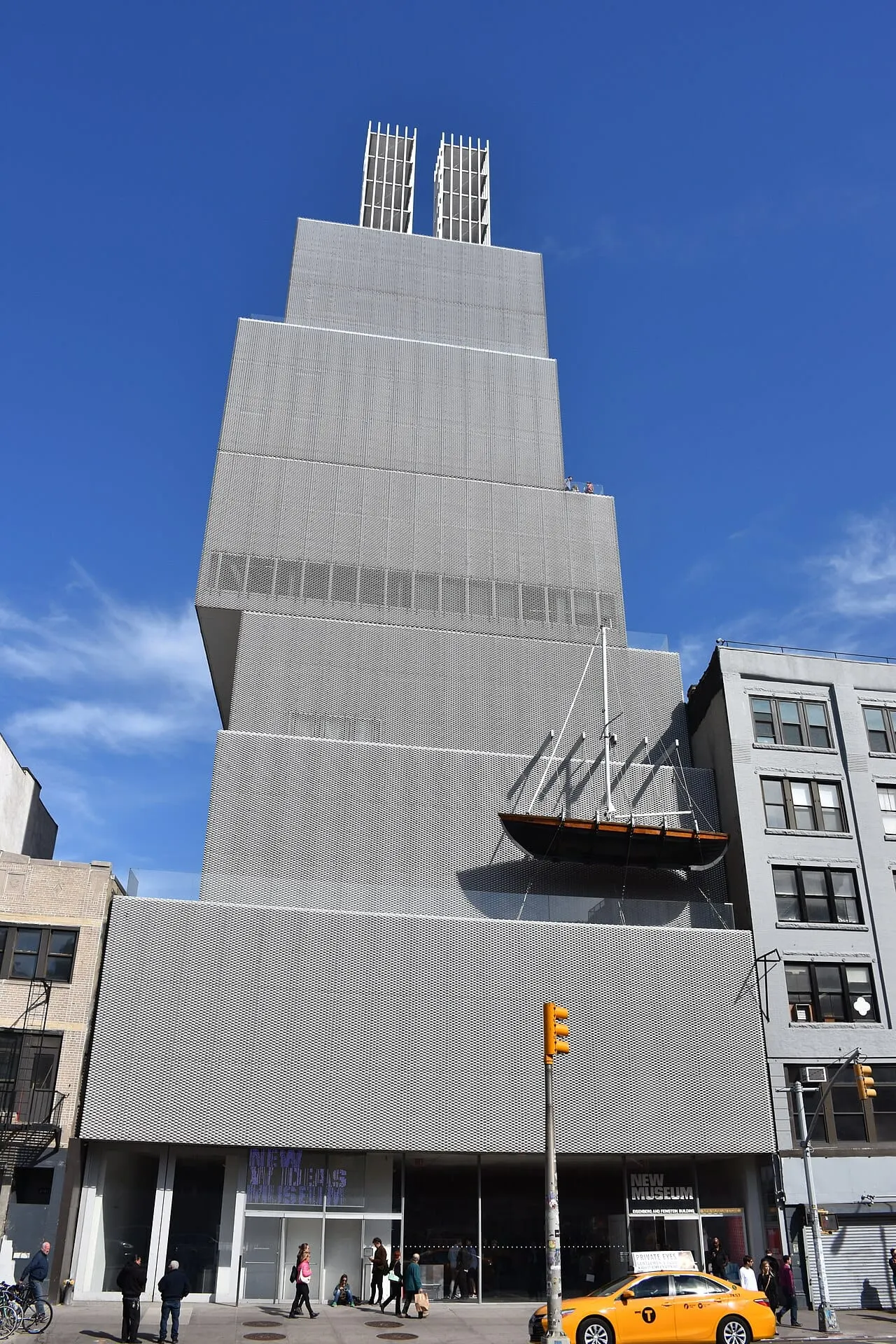
OMA's expansion, which opened on March 21st 2026, doubled the museum's footprint, and let us just say it doesn't just add gallery space. It adds breathing room for bigger questions. The kind that make administrators nervous and artists giddy.
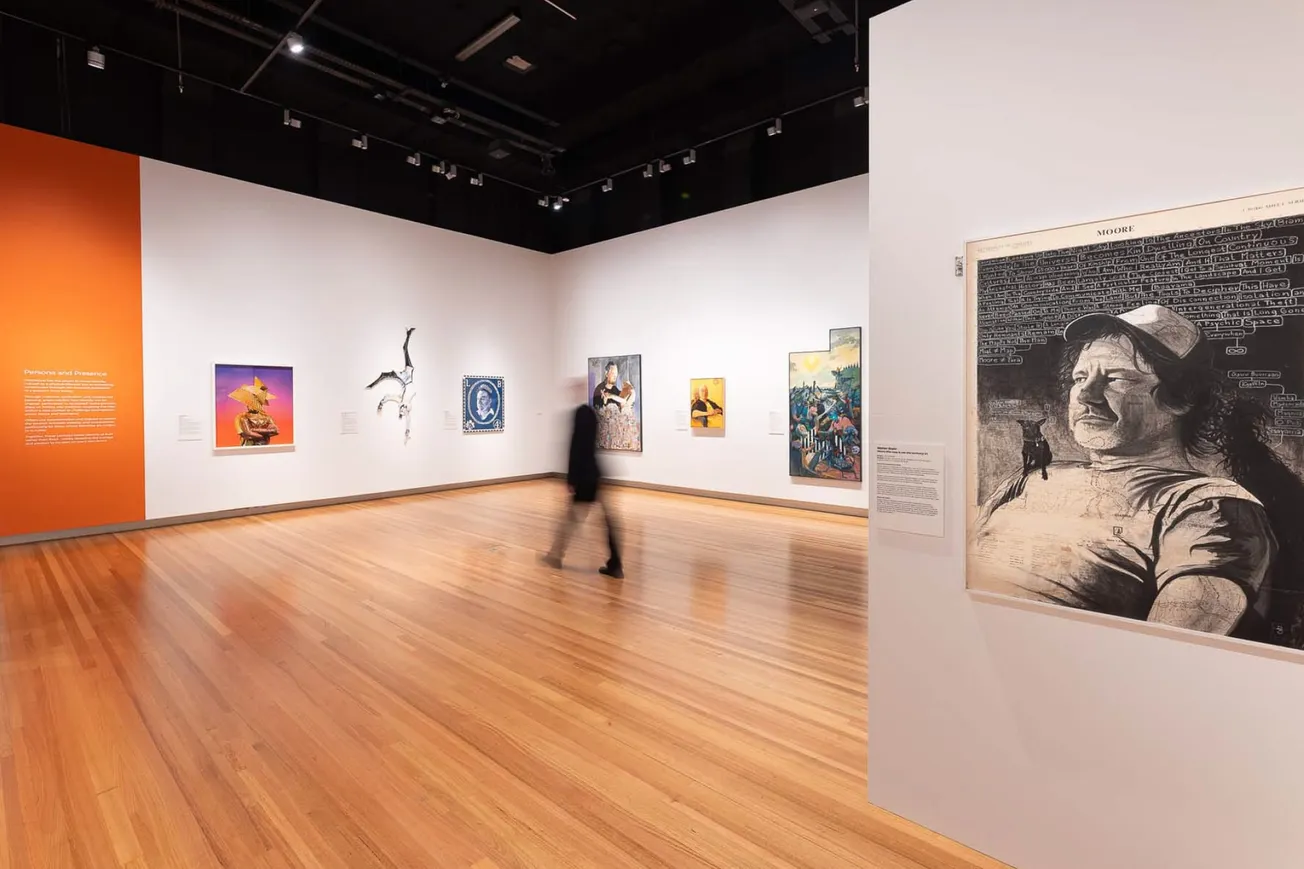
The inaugural exhibition, "New Humans: Memories of the Future," threw 200-plus participants from art, science, literature and film into a blender and posed a question to the public to critique what came out. The idea in itself was ambitious to the point of being slightly unhinged. Which is exactly what art in this day and age requires.
"We're not interested in predicting the future," explained curator Massimiliano Gioni. "We're interested in how the future is already changing us."
That's the thing about this expansion. It's not just bigger. It's built for different kinds of conversations. The old New Museum was scrappy, insurgent, the place that gave you art before you knew you wanted it. This version has room to sprawl, to contradict itself, to host the kind of rambling, interdisciplinary mess that passes for serious thinking these days.
The architecture reflects this. OMA created circulation patterns that force encounters. You can't sleepwalk through this building. It makes you choose your path, confront your assumptions.
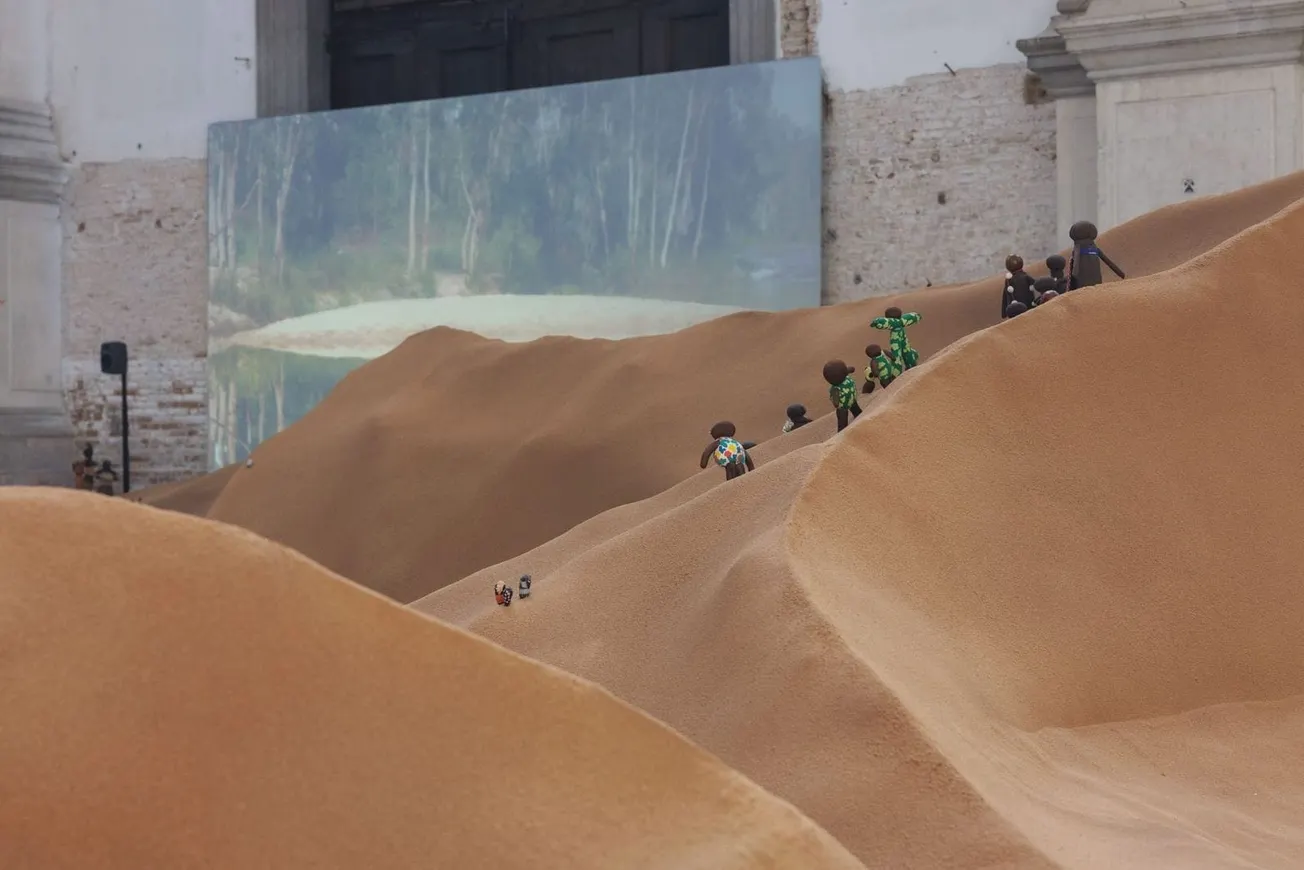
Which brings us back to those new humans. The exhibition includes everything from AI-generated poetry to bioengineered organisms to artists reimagining their own bodies. The opening show envisioned visitors to feel as though they were in a science fiction setting five years ago but feels like documentary today.
For educators, this is gold. Not because it provides easy answers about technology or identity or the future. Because it provides better questions. What happens when the boundaries between human and machine blur? How do we teach empathy in an age of artificial intelligence? What stories do we tell about ourselves when our bodies, our minds, our very definitions are up for revision?
The New Museum has always been about art that hasn't been canonised yet. Art that's still figuring out what it wants to be. This expansion gives that uncertainty space to come alive.
While there has been critiques around whether the $82 million expansion was successful, in a cultural moment when everything feels provisional, when the future feels both inevitable and impossible, maybe uncertainty is exactly what we need more of.