Table of Contents
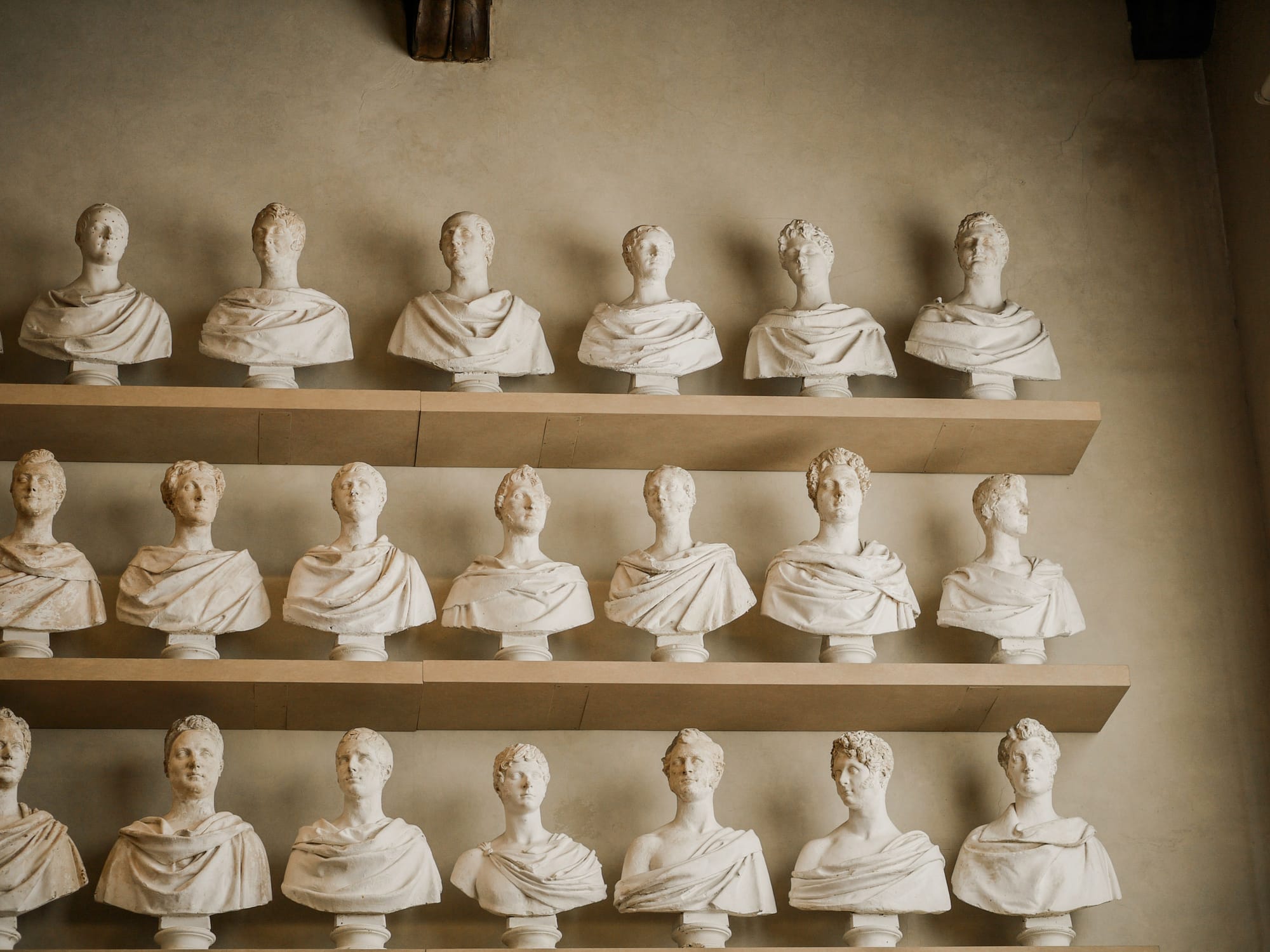
We tend to experience Ancient Rome through marble statues. White figures, stone ruins, and lit museums cases have shaped an image of the empire that is remarkably clean for a civilisation of crowded streets, public baths, elaborate banquets, religious rituals, and perfumed bodies.
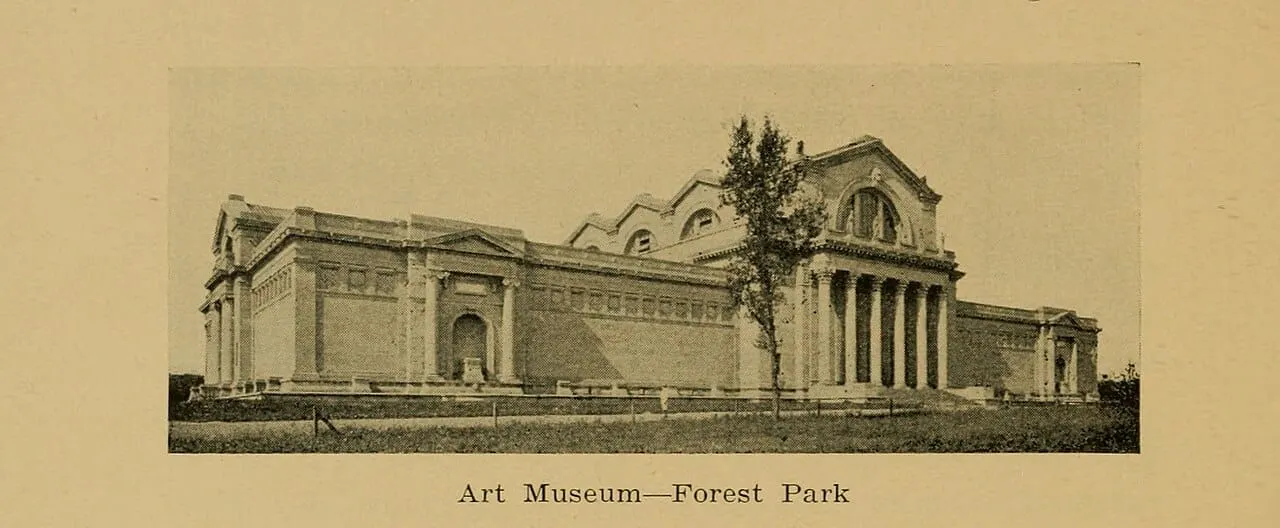
Ancient Splendor: Roman Art in the Time of Trajan, which closed at the Saint Louis Art Museum in August, aimed to take us back in time to this period through our senses.
The exhibition brought together Roman sculptures, frescoes, mosaics, jewellery, glass and bronze objects, including significant loans from major Italian collectors. Its focus was the reign of Emperor Trajan, who ruled between 98 and 117 CE, a period associated with Roman territorial expansion but also extensive investment in architecture, infrastructure, and public life. Yet some of the exhibition's most interesting additions were not ancient at all.
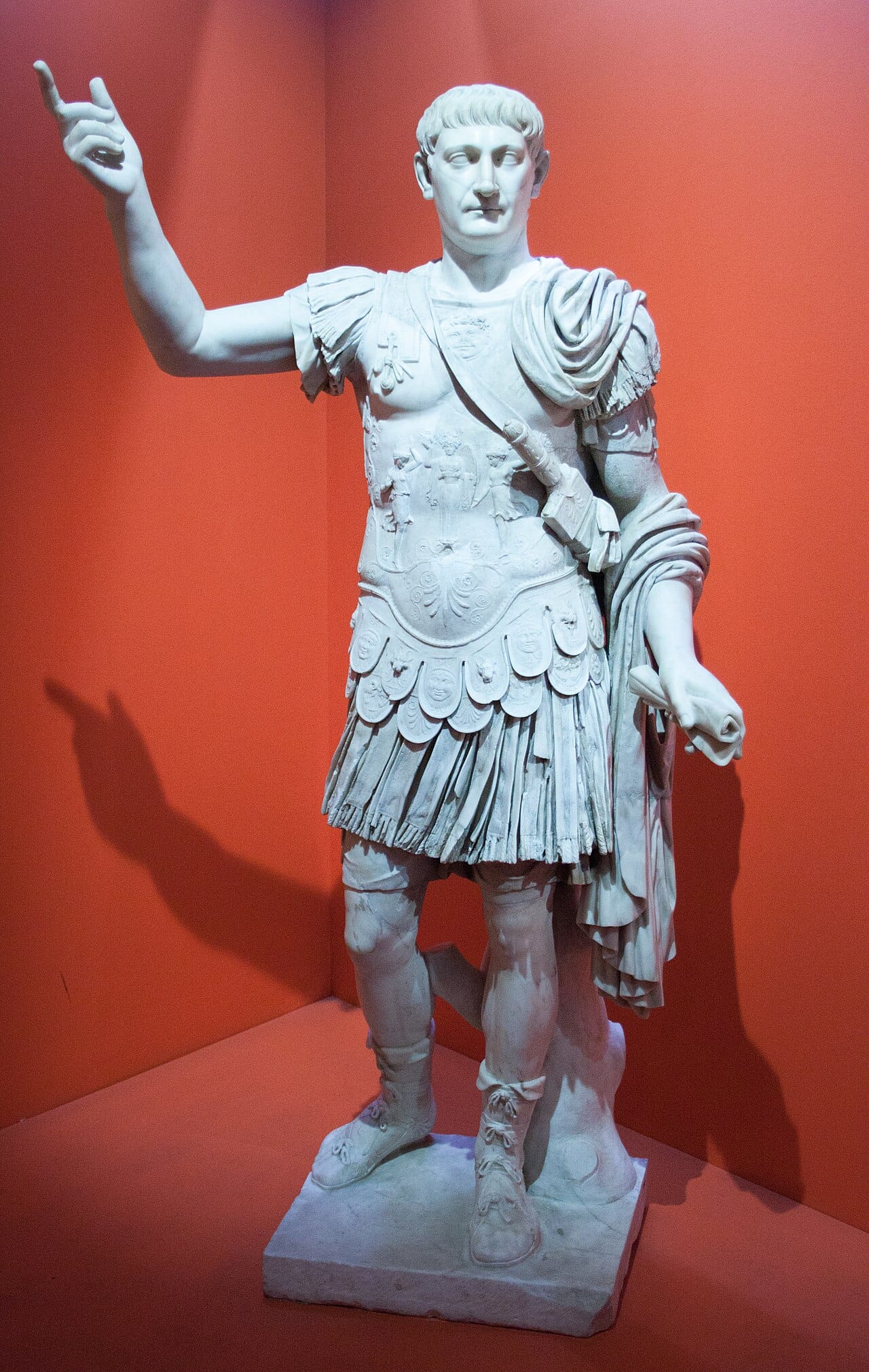
Four scent stations recreated smells associated with roman life, including rose, perfumed oils and garum, the fermented fish sauce widely used in Roman cooking. Visitors could lift the lids of small boxes to experience each scent. A separate soundscape used recordings from the Roman Baths in Bath, England, while a life-sized 3D recreation of Trajan's Column offered another way of approaching an object normally experienced at a distance.
Additions like these matter because Roman art was never meant to exist in a sterile environment through which we tend to encounter it today. Sculptures could be decorated, perfumed, and placed within busy domestic, religious, and civic spaces. By restoring smell and sound to the equation, Ancient Splendor invited visitors to consider what museums inevitably remove when an object enters a collection.
The exhibition also complicated the familiar image of Rome as a world dominated entirely by emperors, soldiers, and conquest. Particular attention was given to the women surrounding Trajan, including his wife Plotina, sister Marciana, and grandniece Sabina. Portraits, jewellery, and objects associated with beauty and domestic life revealed another side of Roman society, while also acknowledging the enslaved labour that supported much of its luxury.
That does not make the exhibition's sensory approach a perfect reconstruction of the past. Nobody can recreate exactly what standing in a Roman home or bathhouse two thousand years ago felt like, and contemporary interpretations inevitably fill gaps in the historical record. But perhaps accuracy to the last smell was never really the point.
Museums have traditionally asked visitors to understand history primarily by looking and reading. Ancient Splendor experimented with what happens when another sense enters the room.
Smelling rose oil beside a marble sculpture does not suddenly transport someone to Ancient Rome. It does, however, make the sculpture harder to see as a pristine white relic detached from ordinary life. It becomes easier to imagine the body that approached it, the room surrounding it, and the culture that gave it meaning.
That may be the exhibition's most interesting legacy. Ancient objects survive, but much of the sensory world around them does not. Finding thoughtful ways to restore fragments of that missing context can make history feel less like something preserved behind glass and more like something once lived.