Table of Contents
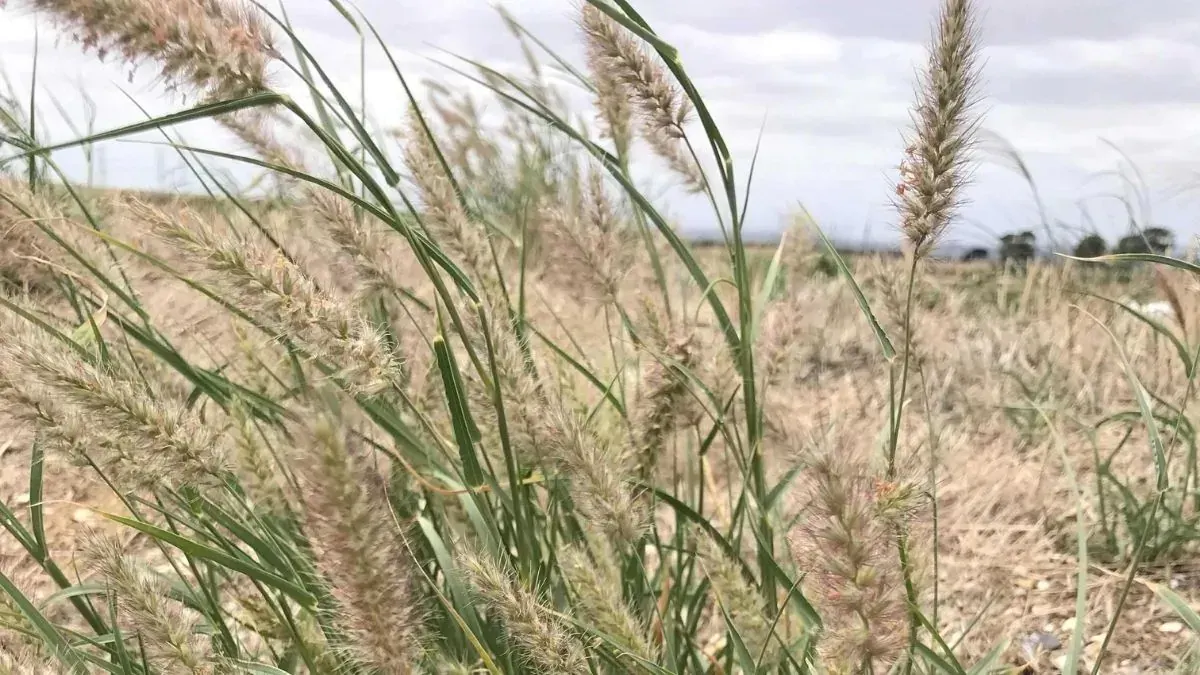
A field of buffel grass can look deceptively healthy. It is green after rain, thick across the ground and, in parts of northern Australian, values as pasture. In South Australia, the same plants spread has become one of the state's most serious environmental threats.
Buffel grass can establish dense stands that push out native vegetation and create large quantities of combustible material. Fire, then, becomes quickly part of the problem. The grass can survive burning and recover quickly, while more intense and frequent fires place native grasses, shrubs, and trees under increasing pressure. Over time, a varied landscape can become markedly less varied. South Australia declared buffel grass a weed in 2015, and more than a decade later, controlling its spread remains an active environmental and cultural problem.
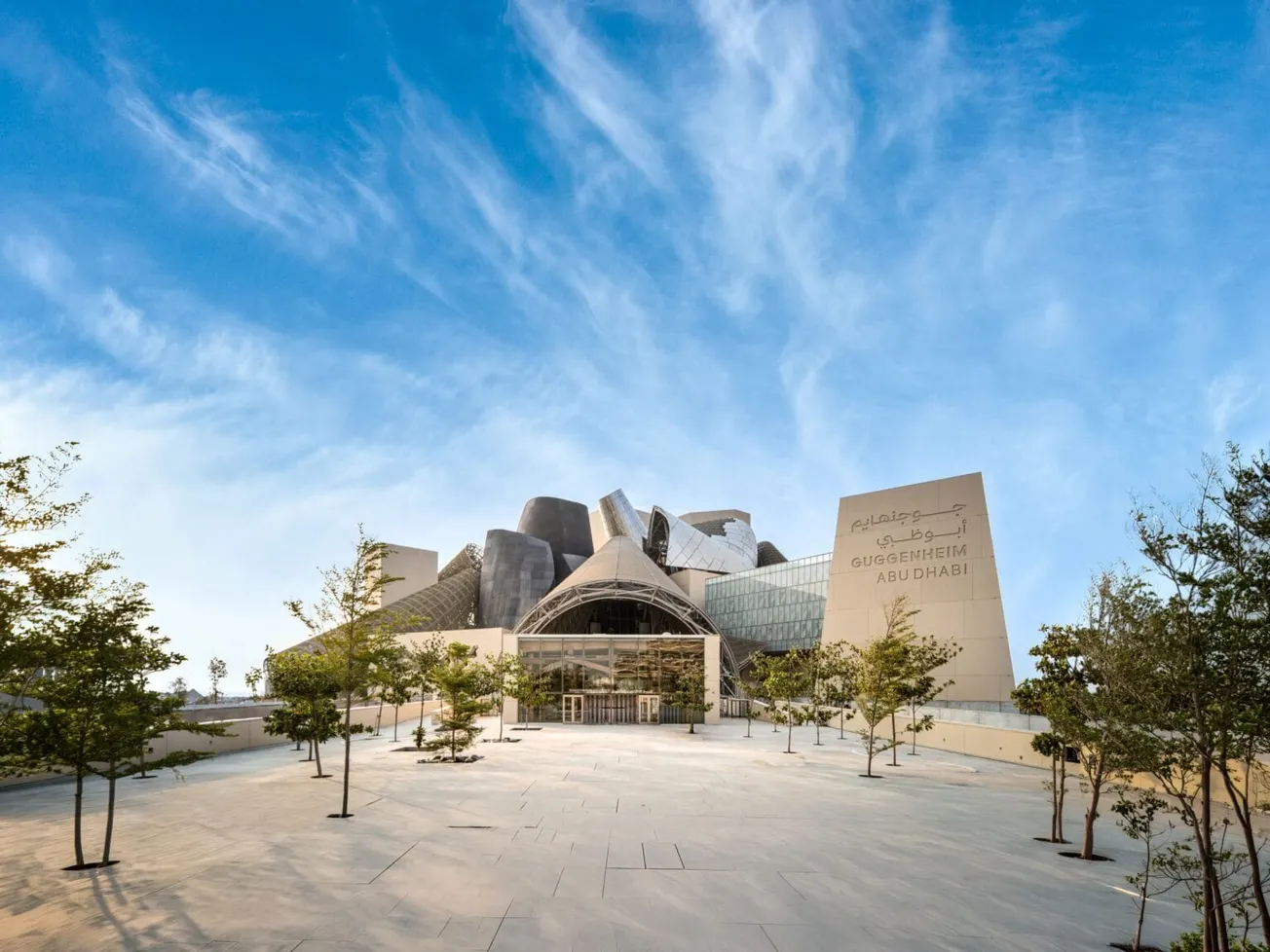
This transformation lies at the centre of Silent Country, a collaboration presented at Tandanya Aboriginal Cultural Institute during South Australia's 2026 Nature Festival. Its artists approach buffel gras through painting, photography, printmaking, sound, moving image, textiles and sculptures. The program also involves panel conversations, music, and food.
The breadth of the program could easily have produced an environmental festival built around a loose theme. Buffel grass gives a much tighter reason to bring these practices together. Its impact cannot be understood solely through plant ecology because the landscape being changed is also Country. Country for many is a source of food, cultural knowledge, memory, and responsibility.
The reality is present in the artists Tandanya has brought together. Sandra Taylor, a Yankunytjatjara, Pitjantjatjara, Kokatha, and Arrernte woman based in Port Augusta, has seen the effects of buffel grass across the APY Lands. Coober Pedy artist Evanna Williams, grew up on the APY Lands, while the wider group includes Badimia/Yamatji artist Anna Dowling, Ngarrindjeri and Kaurna artist Brooke Rigney, and Arabana and Mudbura Warlpiri photographer Collen Raven (Strangways). Damien Coulthard and Damien Warman have developed work through research and exchange with scientists, cultural knowledge holders, and people involved in buffel grass advocacy.
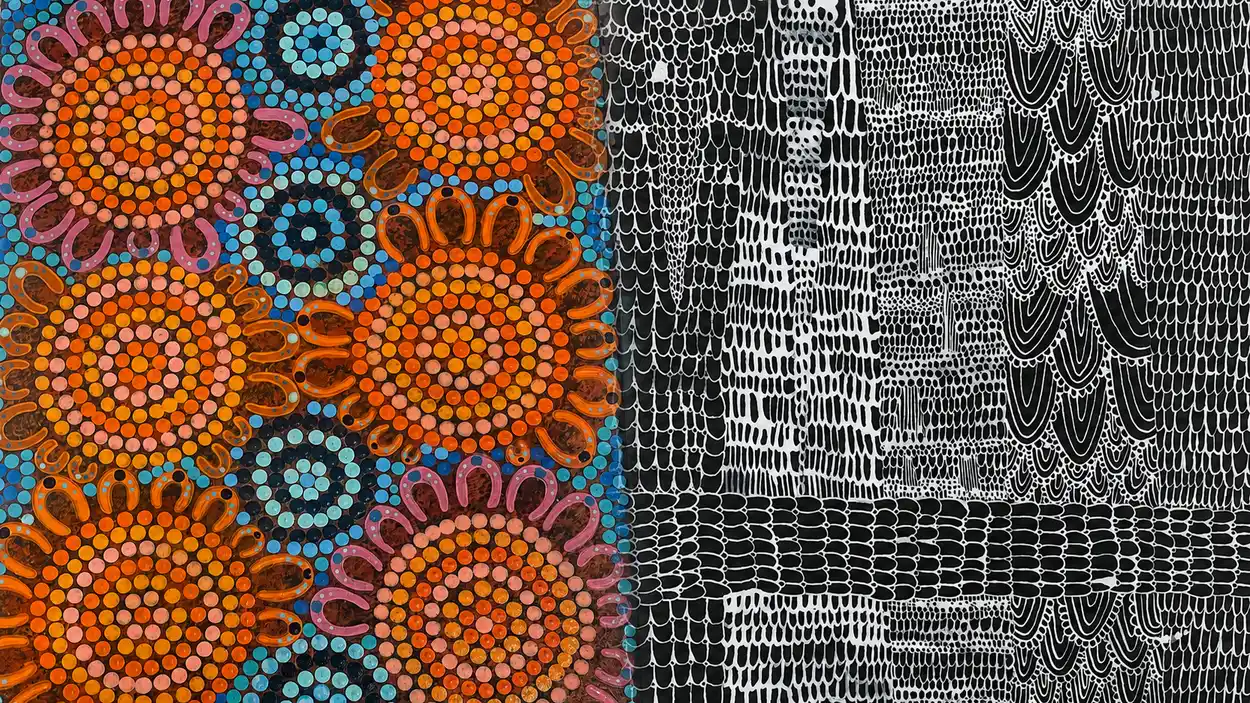
Tutti Arts brings another group into the process as well. Lucia Birch, Banjobe Hunt, Charlie Taplin, Jacko Hopper, Megan Long, Nathan Dolphin, and Nathan Smith have produced new work following research and exchange with scientists and field researchers.
The collaboration with artists and their pieces holds a lot of value, especially in the way that they were developed. Environmental art can become predictable when science arrives as a set of facts for an artist to illustrate. However, these artists have used the research to form part of their preparation. The resulting work has room for individual observation and interpretation, while the exhibition remains anchored to a specific ecological problem.
And, buffel grass is a particularly difficult problem to communicate. Its damage often comes through replacement. Native vegetation becomes scarcer, fire behaves differently, plants and animals lose their habitats. bush foods become harder to find. A landscape may continue to look abundant while supporting fewer of the species and relationships that belonged there before.
The title, Silent Country, makes sense in that context. Silence is not necessarily and empty landscape. It can describe one that has lost some of its complexity. And, the artists of the festival have managed to bring this reality to life.
The exhibition also reaches outside conventional gallery programming. Its opening night, 25 September 2026, includes a discussion panel between Yankunytjatjara community leader and buffel grass advocate Zibeon Fielding, researcher Camille Dobson, and Tandanya CEO Brenz Saunders. Electric Fields will perform later that evening. Vocalist Zaachariaha Fielding grew up in Mimili in the APY Lands, one of the communities living with buffel grass across Country.
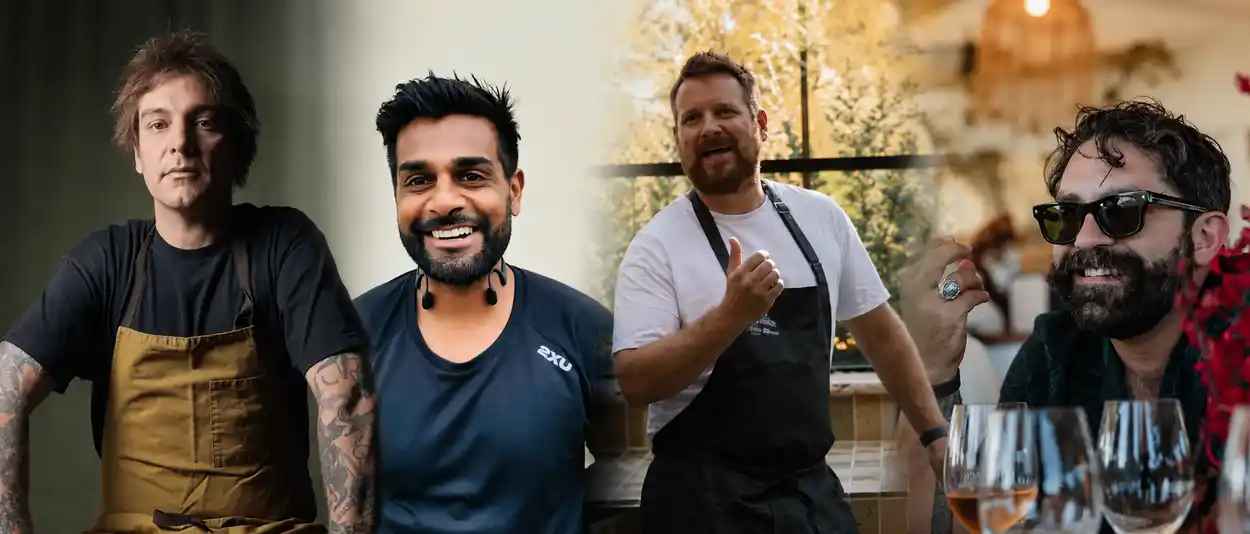
On 27 September, Indigenous-owned Warndu will host a dinner with chefs Matt Stone and Shannon Fleming, centered on native foods sustained by healthy Country and threatened by the spread of buffel grass. Food makes the consequences unusually concrete. Biodiversity can sound like an environmental measurement, however, the disappearance of plants that people know, gather, cook, and share describes the same loss in human terms.
Silent Country also opens while South Australia is formally reconsidering how it manages the weed. The state parliament's National Resources Committee is currently investigating its spread, effects on biodiversity and bushfire risks, impacts on Aboriginal cultural heritage and Country, and the effectiveness of existing management. Public submissions remain open until 9 October.
The timing gives the exhibition a relevance beyond the Nature Festival calendar. Buffel grass is already changing parts of South Australia, and governments, land managers, researchers, and communities are still working out how to contain it.
Art cannot perform that work for them. What Silent Country can do is make the scale of the problem legible. A weed-management map records where the buffel grass has spread. An ecological study records what it does when it gets there. The artists gathered at Tandanya are dealing with another part of the record: what it means to watch a living, culturally significant landscape turn into something different.