
Table of Contents
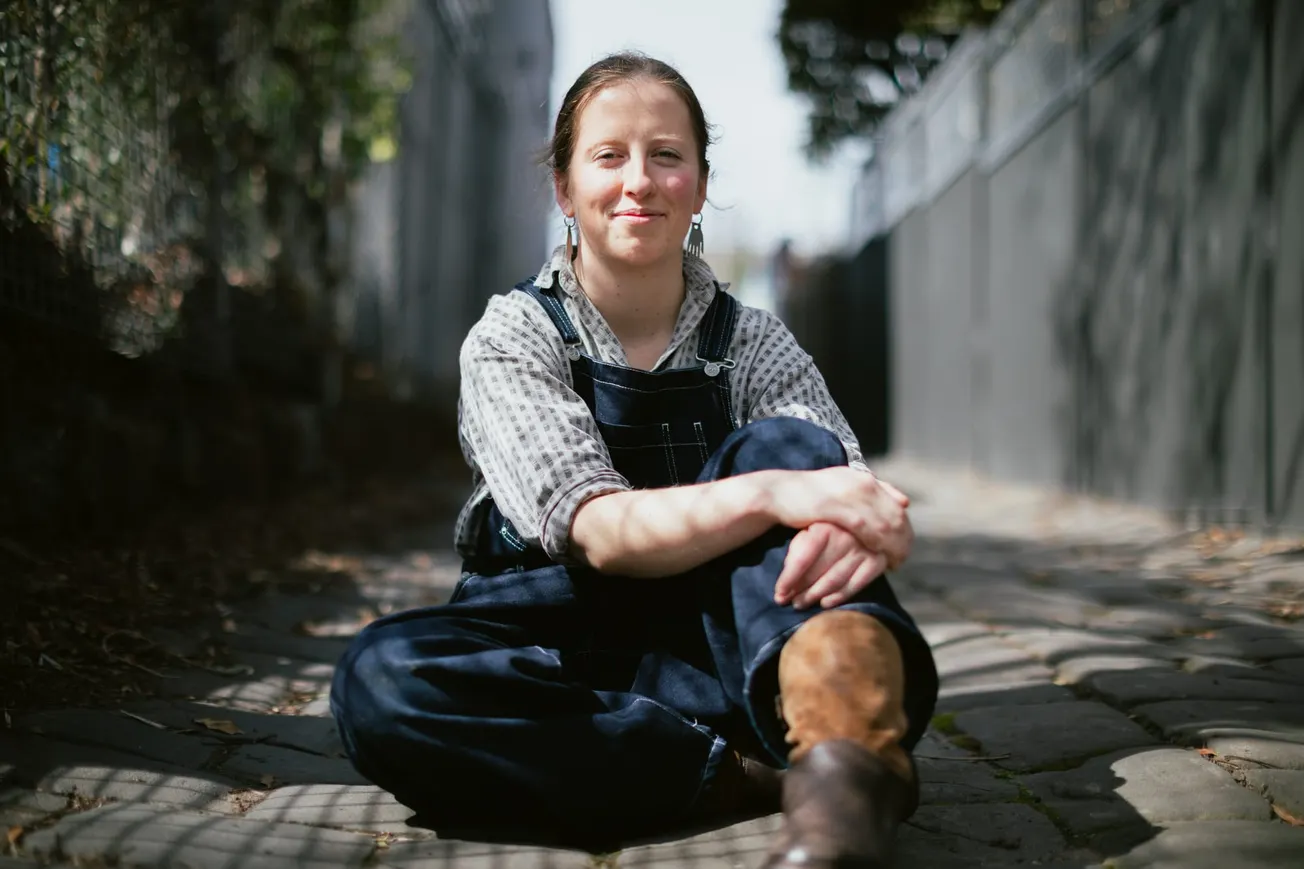
You know that kid from school. The one who disappeared into the "special" classroom and never came back to yours. The one everyone whispered about but nobody really talked to. Kath Duncan was that kid.
Now she's made a play about it.
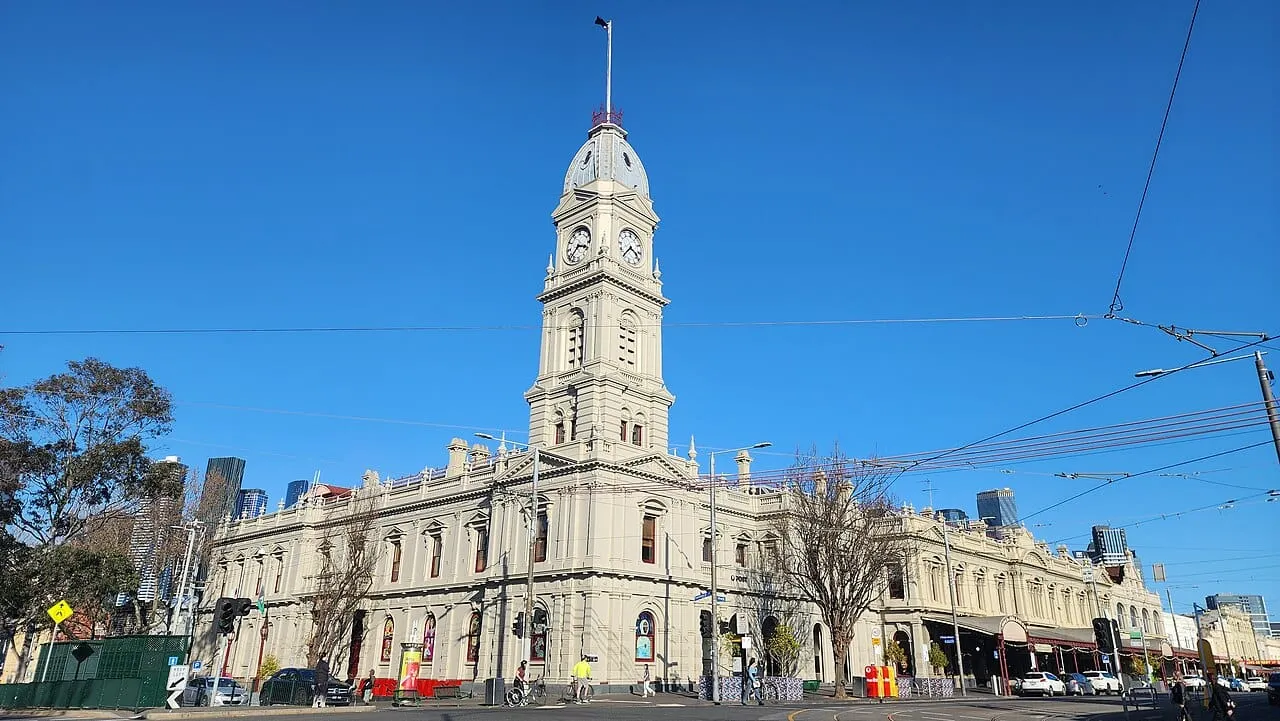
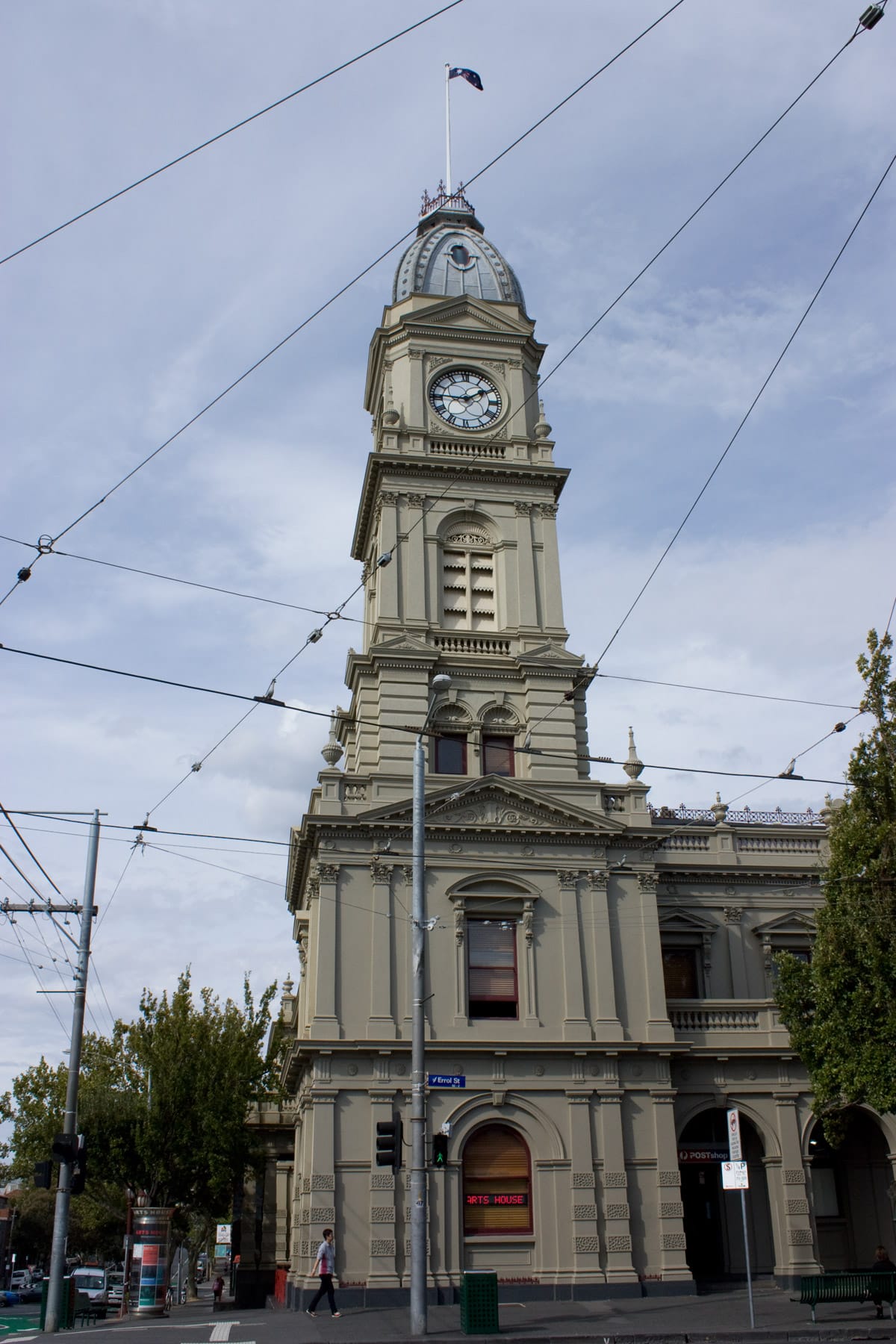
Specials opens at Arts House next week, and it's the kind of theatre that makes you squirm in your seat. Not because it's bad, but because it's good. Too good. Duncan has taken her experience in Australia's special education system in the 1960s and turned it into something fierce, funny, and completely unforgiving.
This isn't inspiration porn. Duncan doesn't want your pity or your admiration for "overcoming." She wants you to understand what happened to kids like her, and why it's still happening now.
"The system was designed to disappear us," Duncan explains. "Not help us. Disappear us."
The production features a majority disabled cast and creative team, which sounds like tokenism until you see it in action. These aren't actors playing disabled characters. These are disabled artists telling their own stories, and the difference is electric.
Duncan's writing cuts deep. She's got a playwright's ear for the absurd cruelty of institutional language. The euphemisms. The clinical detachment. The way "special" became code for "less than."
For educators, Specials is uncomfortable viewing. It holds up a mirror to a profession that's spent decades congratulating itself on inclusion while maintaining systems of exclusion. The special classroom. The modified curriculum. The gentle segregation that keeps disabled kids visible enough to count but separate enough not to disrupt.
But here's what makes Duncan's work brilliant rather than just angry. She finds the comedy in the horror. Not laugh-at-disabled-people comedy, but the kind of dark humour that comes from surviving systems designed to break you.
The production runs for six nights only, which feels both appropriate and criminal. This is urgent theatre, the kind that should tour every education conference and teacher training programme in the country.
Duncan has created something genuinely radical here. Not because it features disabled performers, but because it refuses to make their stories palatable for non-disabled comfort. It demands that you confront the reality of what "special" education actually meant for the kids who lived through it.
You'll leave Specials asking questions you probably don't want to ask. About the kids in your classroom. About the systems you're part of. About what "inclusion" actually means when you strip away the good intentions and look at the results.
That's exactly what Duncan wants.




.jpg?ref=cleverplanet.com)

.jpg?ref=cleverplanet.com)