Table of Contents
The Centre Pompidou just pulled off something most museums would consider impossible. They closed their doors for five years and somehow made it look like a victory lap.
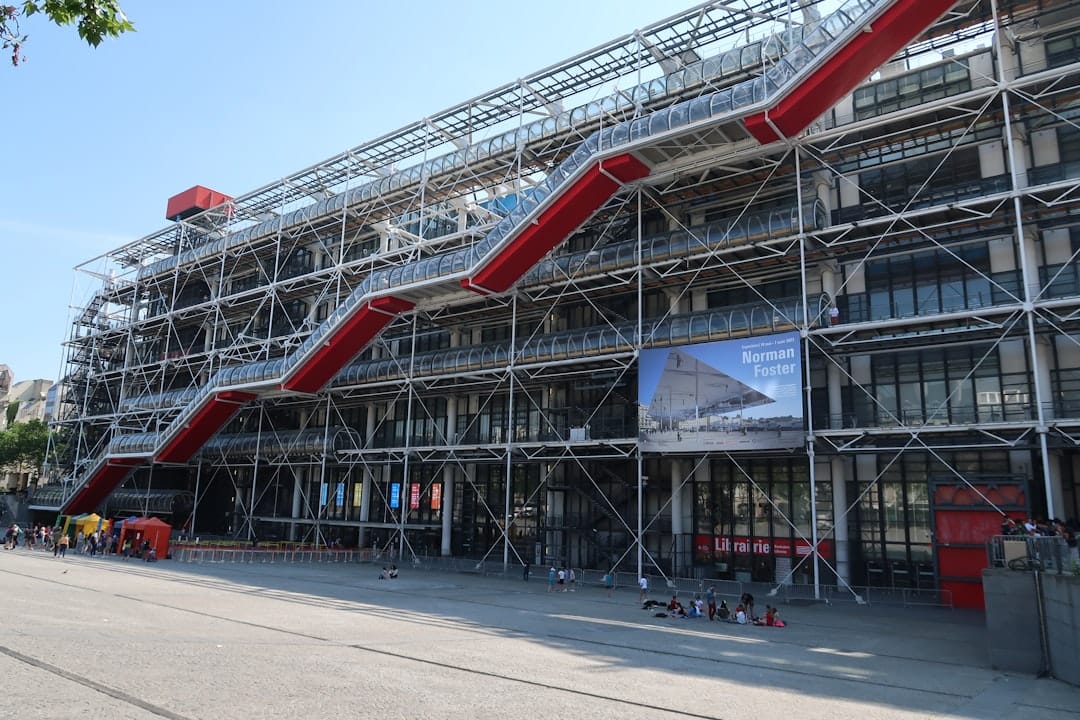
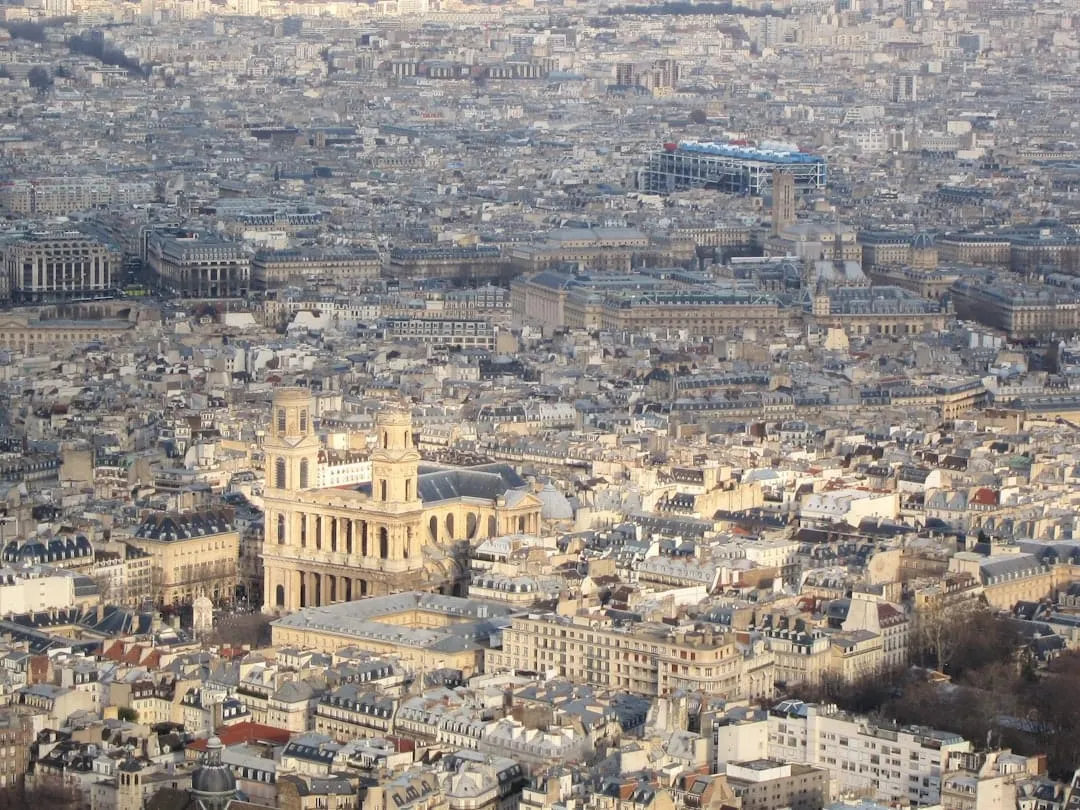
When Paris's inside-out cathedral of contemporary art shuttered in September, it wasn't the usual story of budget cuts or declining visitors. This is renovation as cultural strategy. While contractors strip asbestos and fix forty-year-old pipes, the Pompidou's collection is going on the kind of world tour that would make a rock band jealous.
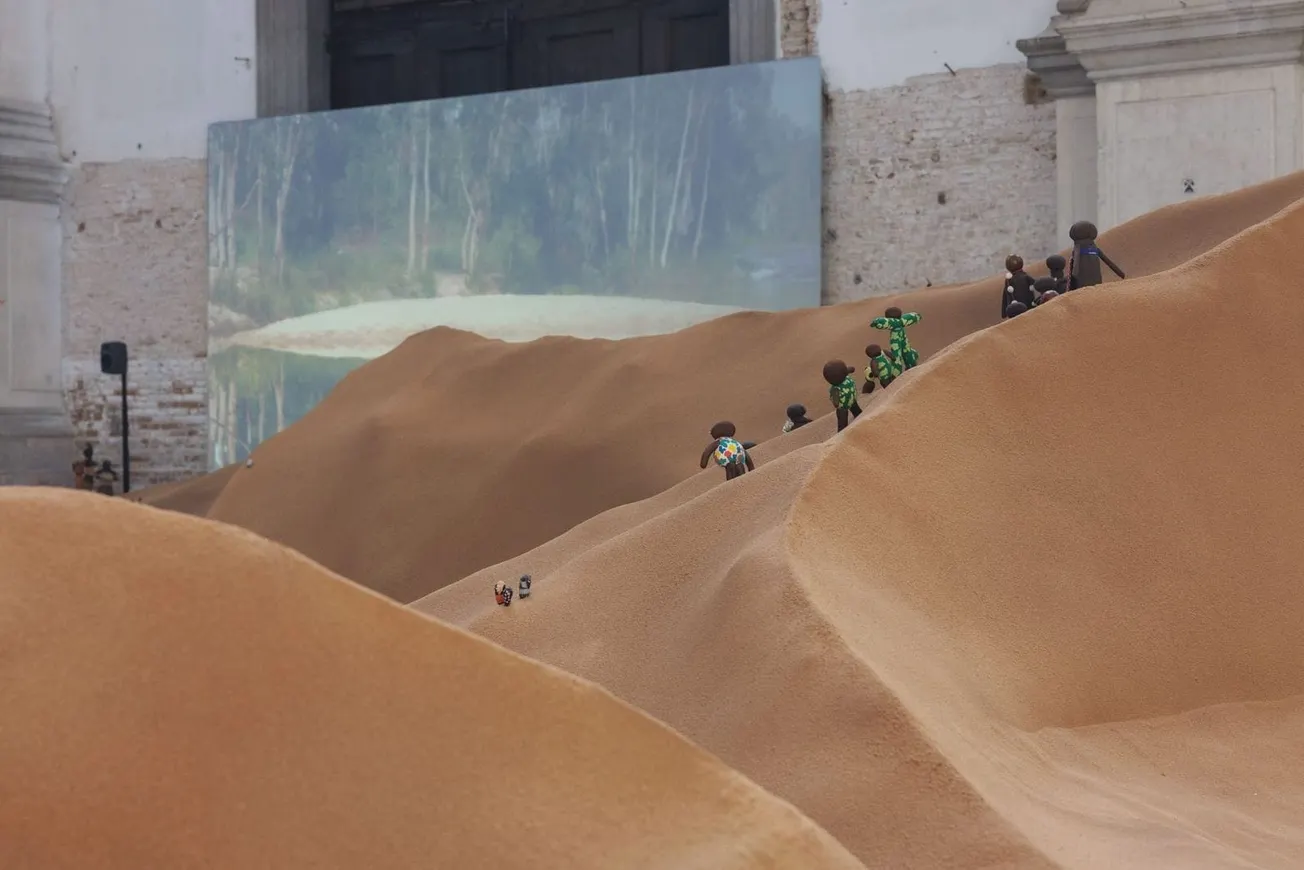
Philadelphia Museum of Art. Metropolitan Museum in New York. The Guggenheim in Venice. These aren't consolation prizes or storage solutions. They're deliberate partnerships that transform a closure into an expansion.
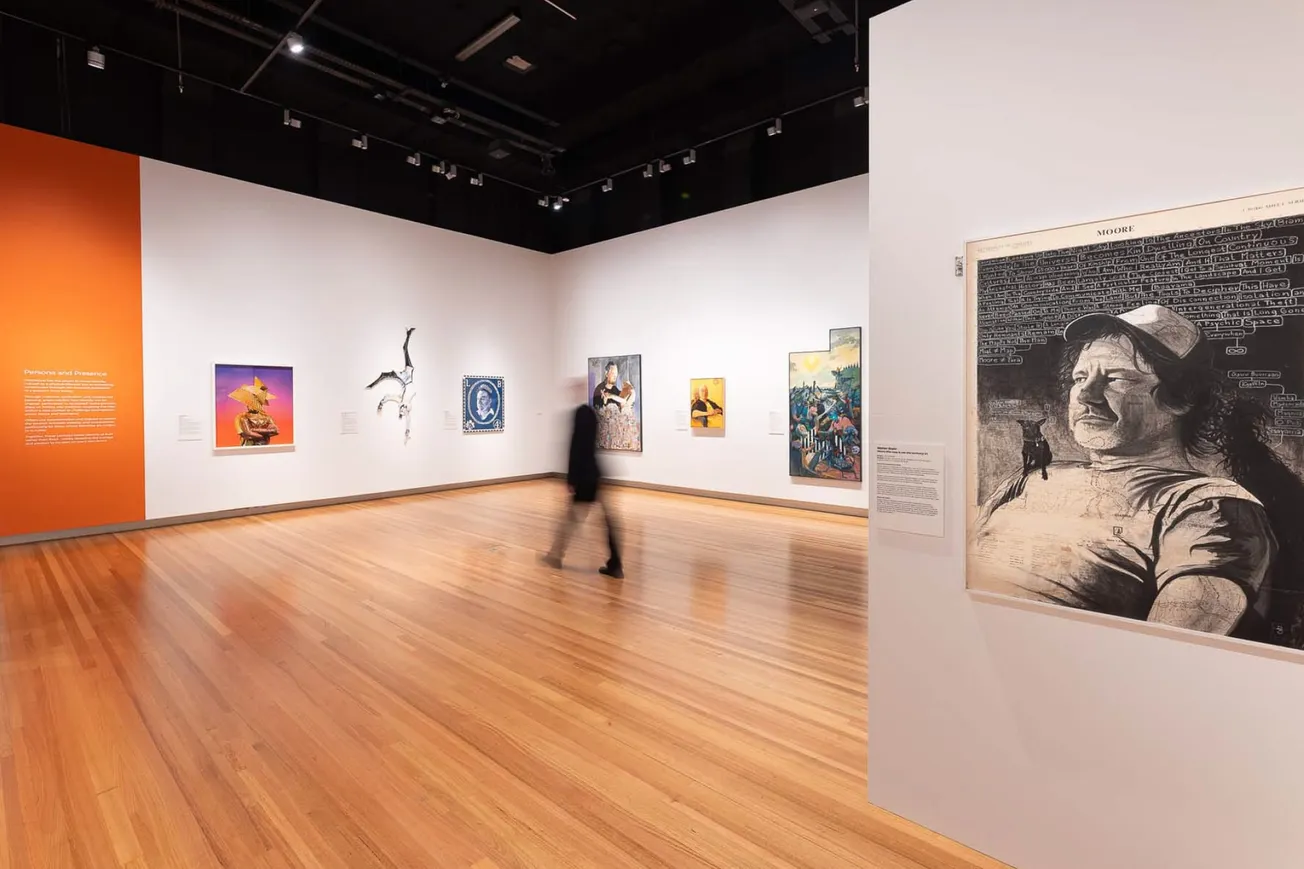
Think about what this actually means. Instead of mothballing 120,000 works for half a decade, the Pompidou is using the renovation as an excuse to be everywhere at once. Your students in Sydney are more likely to see Pompidou pieces in the next five years than they were when the museum was open.
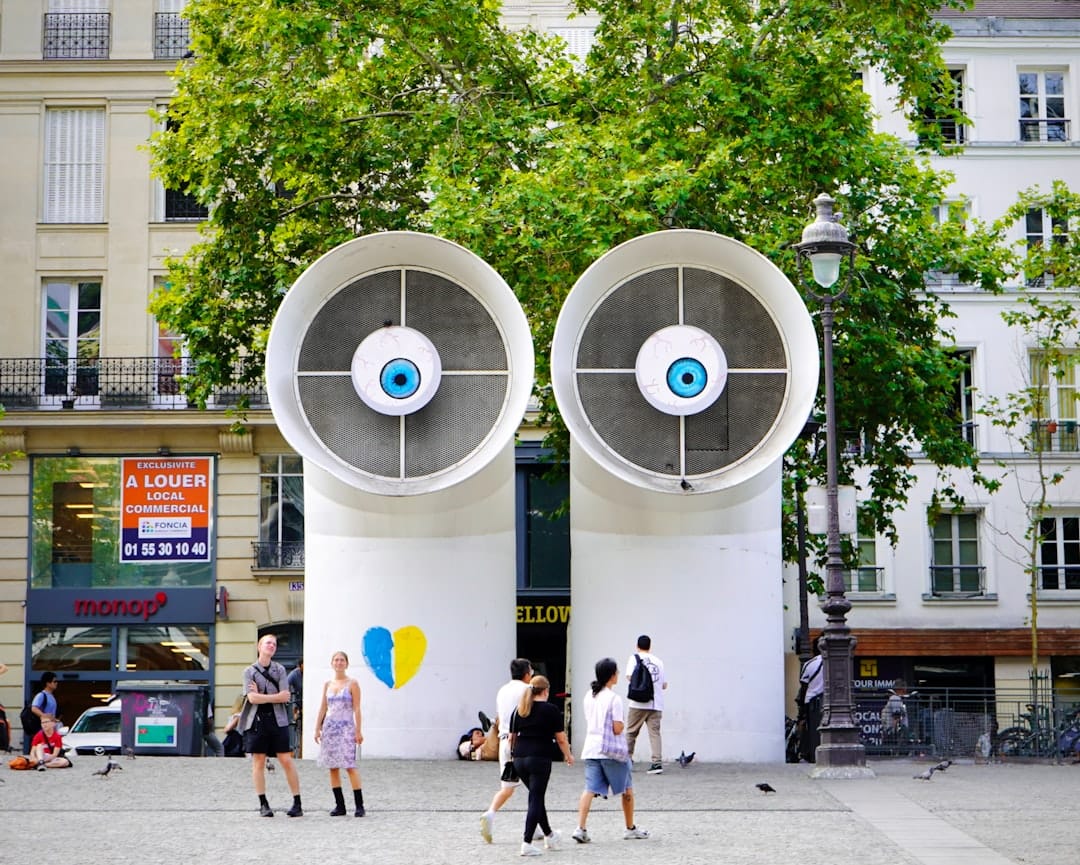
The timing isn't accidental. In 2026, the building gets listed as a Historic Monument, finally giving Renzo Piano and Richard Rogers's radical 1977 design the official recognition it deserved decades ago. But recognition comes with responsibility. Hence the asbestos removal, the accessibility upgrades, the environmental improvements that should have happened years ago.
Here's what makes this interesting for educators: the Pompidou isn't just preserving a building, they're proving that institutions don't have to be places anymore. They can be networks, programmes, ideas that travel.
The new Centre Pompidou Francilien in Massy shows they're serious about this distributed model. Instead of one fortress in central Paris, they're building a constellation of spaces that can reach audiences the mothership never could.
This is museum thinking for the 21st century. When your physical space becomes a limitation, make it irrelevant. When renovation threatens to make you invisible, use it to become ubiquitous.
The question for every other major museum watching this experiment: what happens when reopening in 2030 feels like a step backwards? When being everywhere has more appeal than being somewhere?
The Pompidou is betting that five years of global presence will matter more than five years of Parisian absence. For an institution built on radical architecture, it's a fittingly radical gamble.