Table of Contents
Margaret Preston's banksias, waratahs, and gum blossoms are some of the country's most familiar images in Australian modernism. Behind their colours and graphic forms lies something larger than ambition. Preston wanted Australian artists to develop a visual identity of their own.
The first major retrospective of her work in more than 20 years has now opened at The Ian Potter Centre: NGV Australia, bringing together more than 200 works spanning six decades. Alongside her best-known still lifes and prints are early paintings, urban scenes, later landscapes, and three works recently rediscovered through a public appeal.
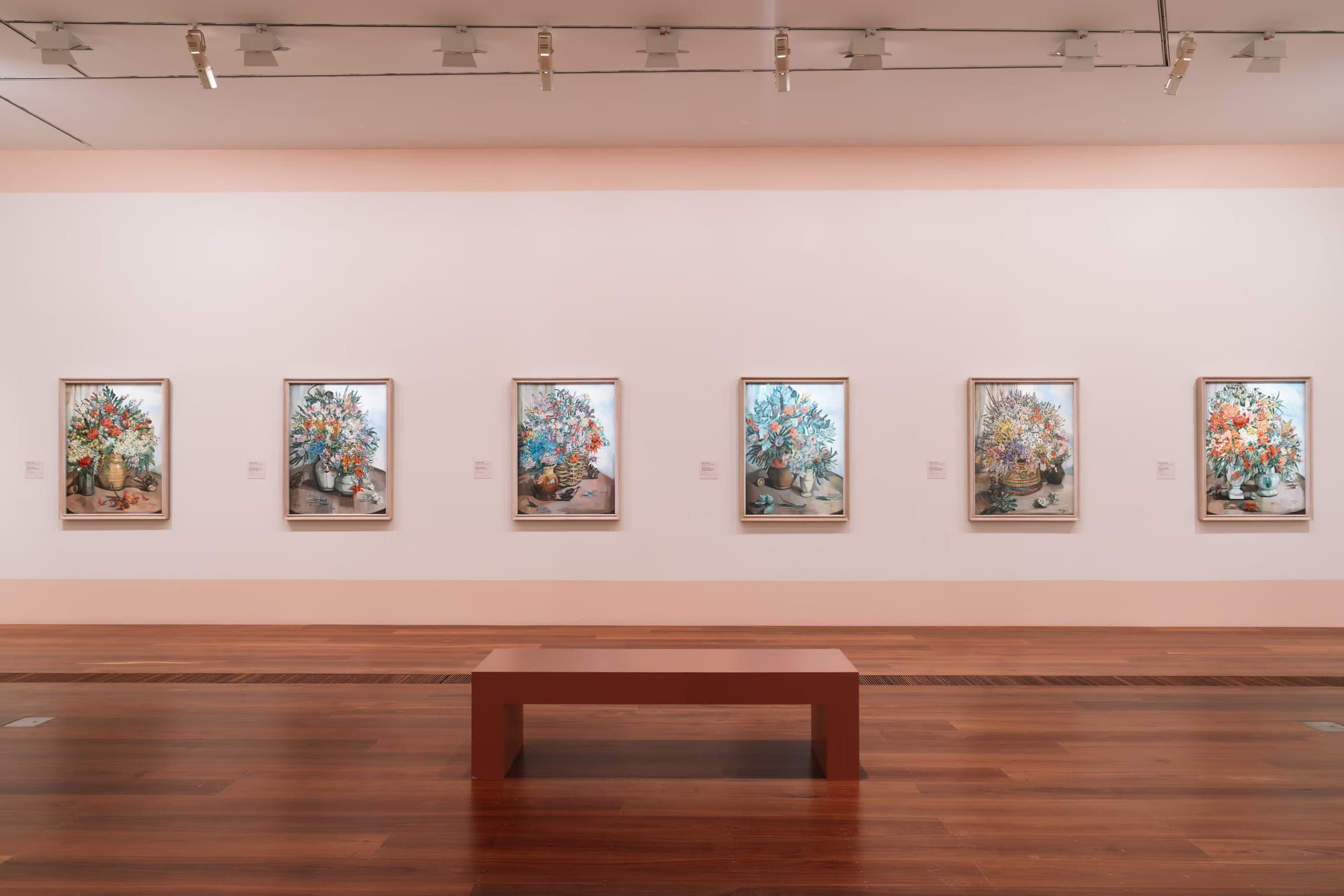
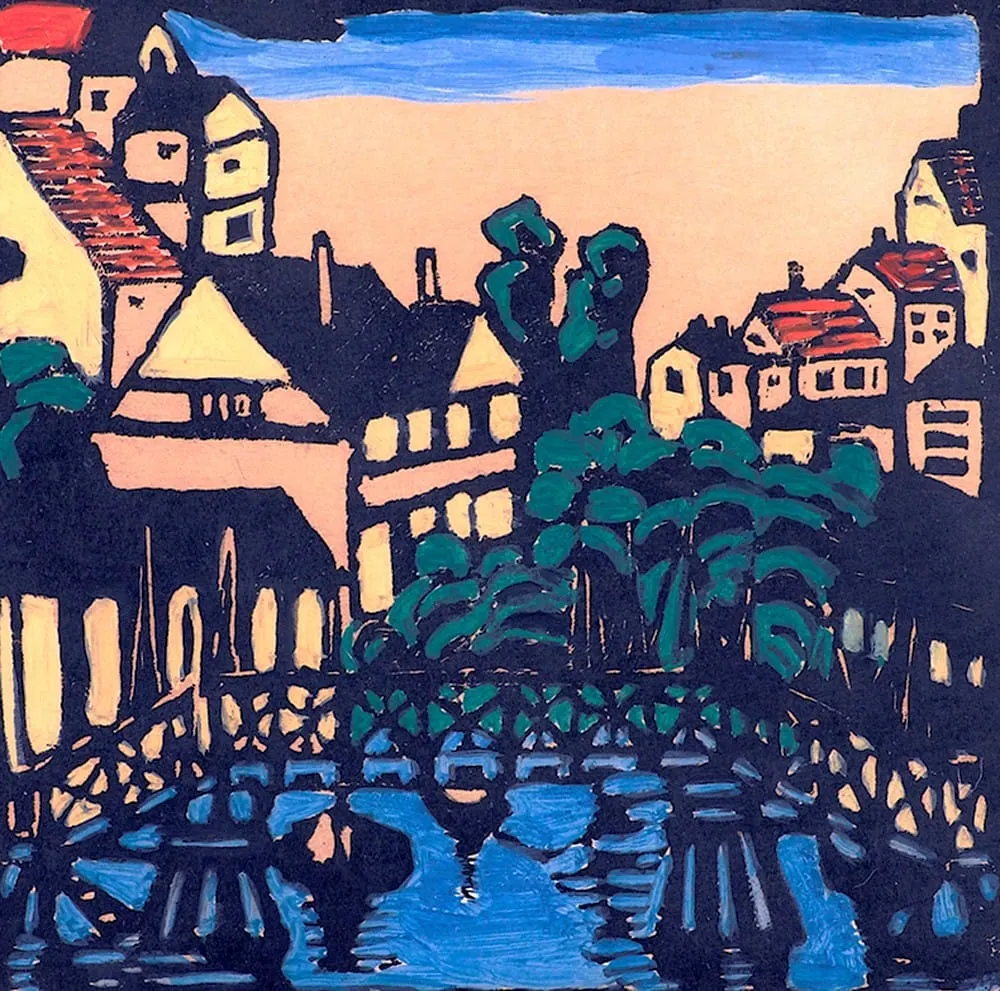
The exhibition traces an artist whose distinctive style was never drawn from one place. Born in Port Adelaide in 1875, Preston studied at the National Gallery of Victoria Art School before travelling extensively through Europe. Exposure to Post-Impressionism, modernism, and the Arts and Crafts movement changed her approach to colour and composition, while Japanese woodblock printing became particularly influential in her printmaking.
After returning to Australia, Preston began looking closer to home. She rejected the idea that Australian art needed to follow European traditions and increasingly turned to native plants, local landscapes, and urban life. Her flattened banskias and angular gum blossoms helped transform familiar Australian subjects into something strikingly modern.
The search for an Australian aesthetic also led Preston to Aboriginal art. Her interest was significant at a time when Aboriginal works were commonly placed in ethnographic collections rather than recognised within Australian fine art. Preston wrote publicly about their artistic value and believed they should play a greater role in the country's cultural identity.
Her approach, however, reflected the limitations of her time. Preston borrowed Indigenous designs while separating them from much of their cultural and ceremonial meaning, incorporating elements into her own vision for Australian art. What she regarded as a national visual language could flatten the distinctions between many separate First Nations cultures.
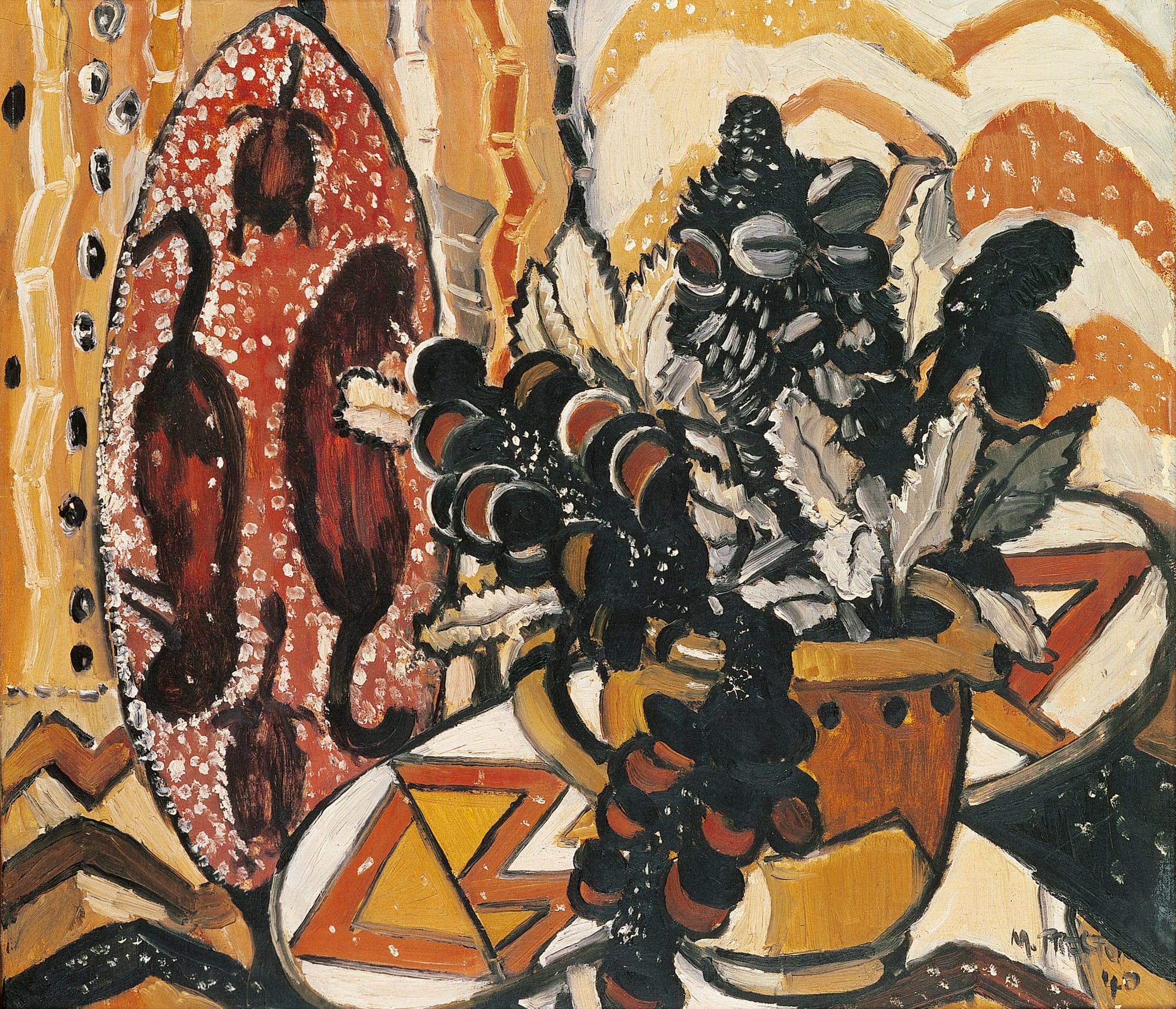
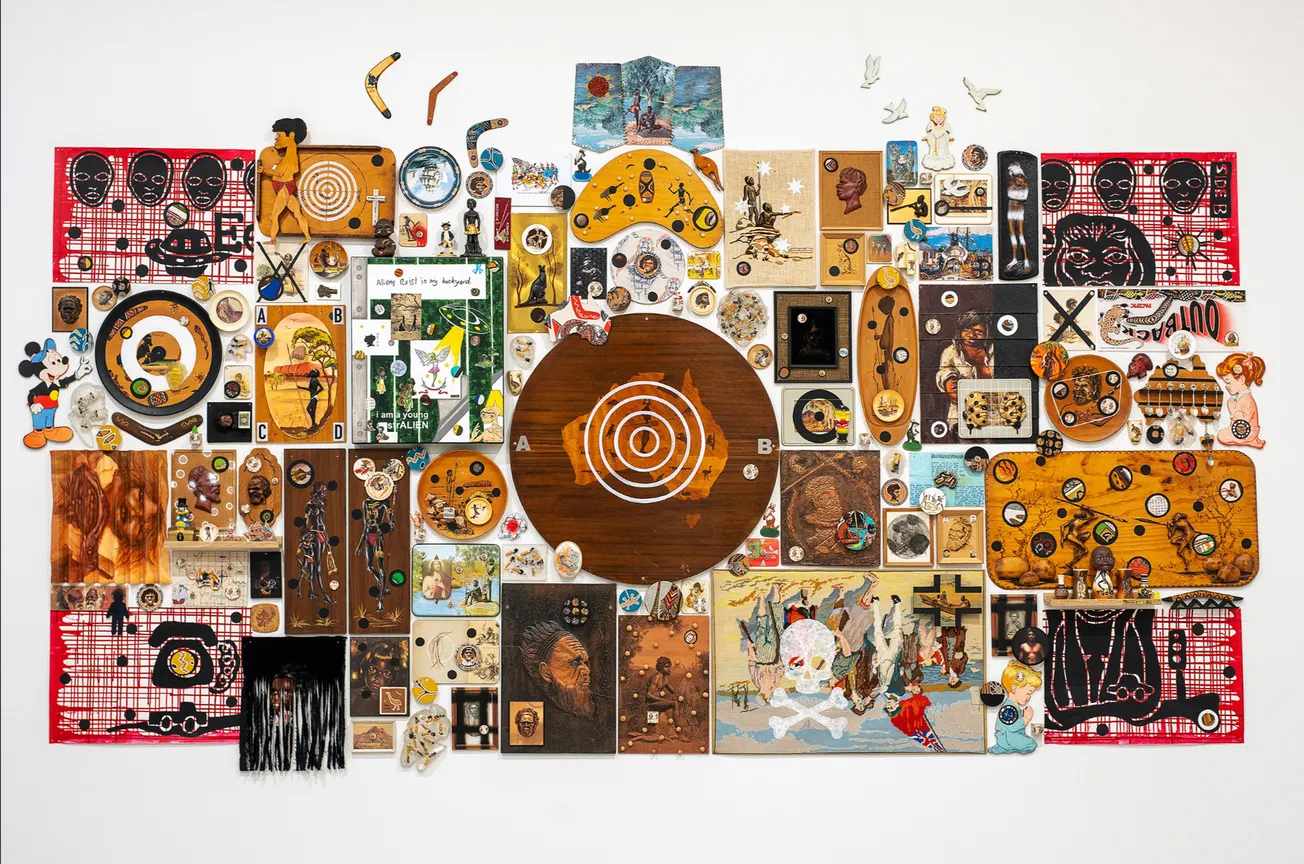
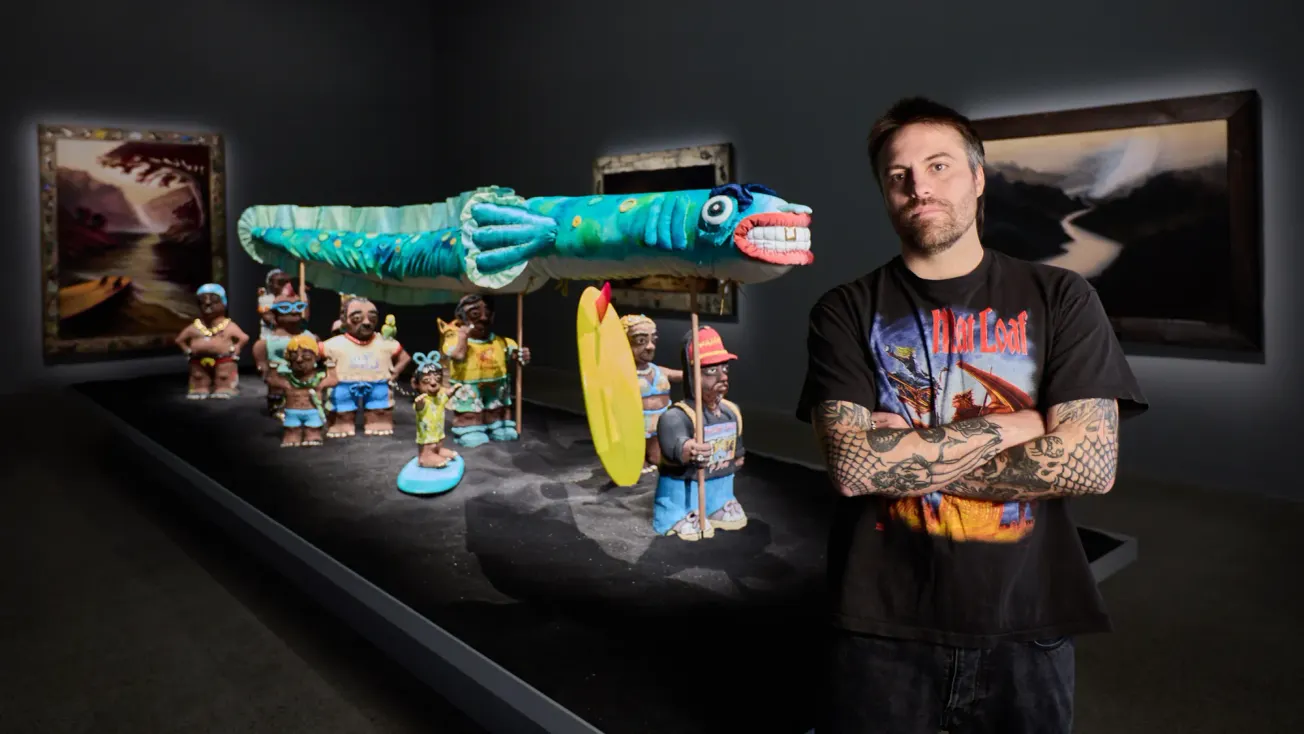
The NGV addresses the history without allowing it to define Preston's entire career. Works by First Nations artists including Gordon Bennett, Tony Albert, Trevor Nickolls, and Deanne Gilson appear throughout the exhibition, alongside new commissions. Their inclusion provides perspectives on Preston's influence and places Indigenous artistic traditions alongside her work rather than only viewing them through it.
One particularly meaningful connection involves a shell-work object depicted by Preston that has since been linked to renowned Bidjigal artist Queen Emma Timbery. New work by Timbery's descendant, Marilyn Russell, gives that artistic history its own presence within the retrospective.
These contemporary responses add another layer to an exhibition already concerned with influence. Preston borrowed freely across her career, absorbing ideas encountered in Europe and Japan before turning increasingly towards the art and environment of Australia. The circumstances surrounding those influences were not equal, and the exhibition allows that distinction to remain part of how her work is understood today.
Preston was also an ambitious and successful woman working within an art world largely dominated by men. Her commitment to still life, then considered less prestigious than landscape painting, did little to diminish that ambition. By the time of her death in 1963, she had helped establish a visual language that remains immediately recognisable.
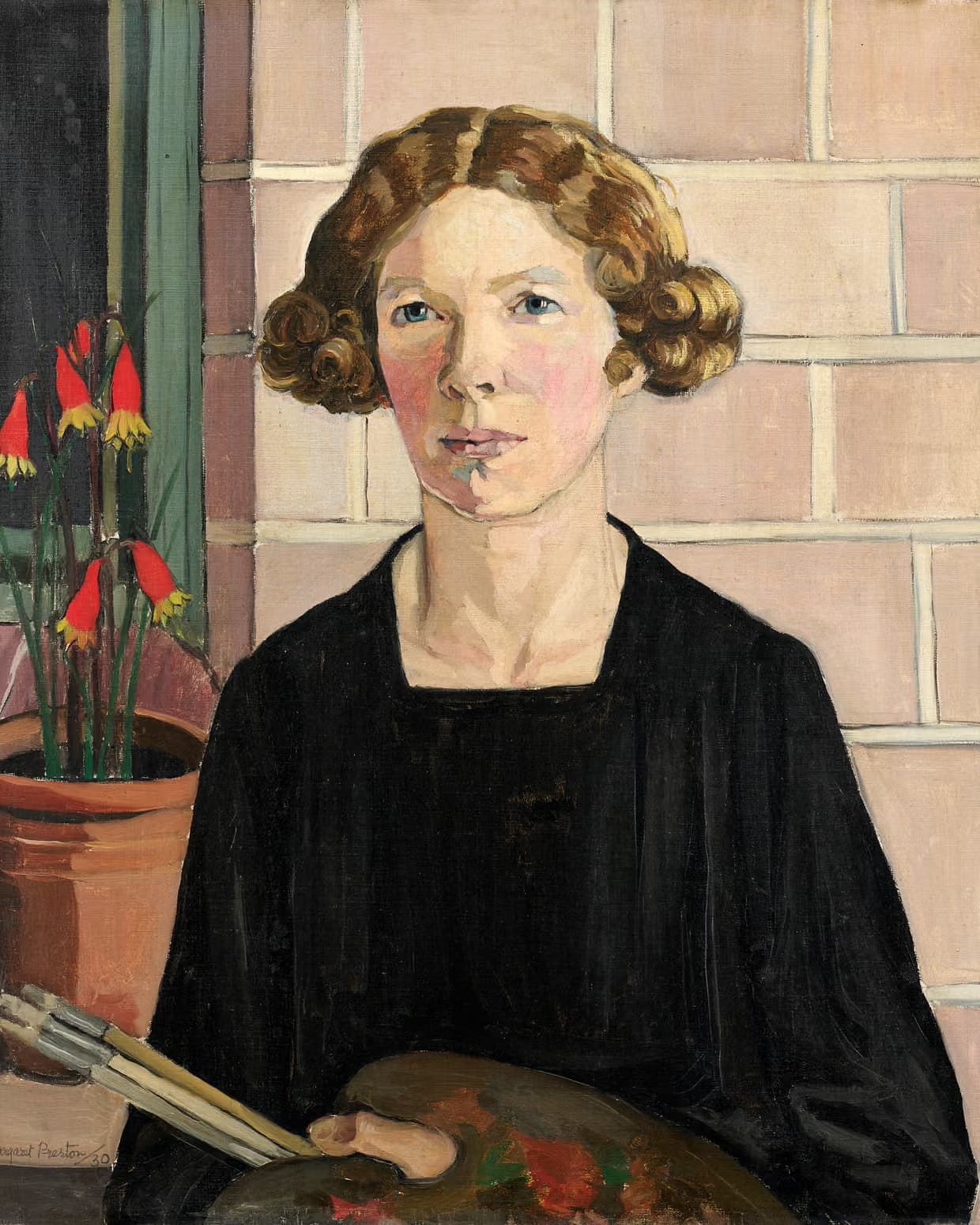
The retrospective ultimately presents a fuller Preston than the familiar banksia prints suggest. Her work was experimental, international in its influences, and deeply invested in defining an Australian modernism. It was also shaped by ideas about national identity that have become more complicated with time.
Rather than resolving those contradictions, the NGC places them within the wider trajectory of an artist who spent her career searching for a way to represent Australia. More than 60 years after her death, both the achievements and limitations of that search remain relevant to how Australian art is understood.