Table of Contents
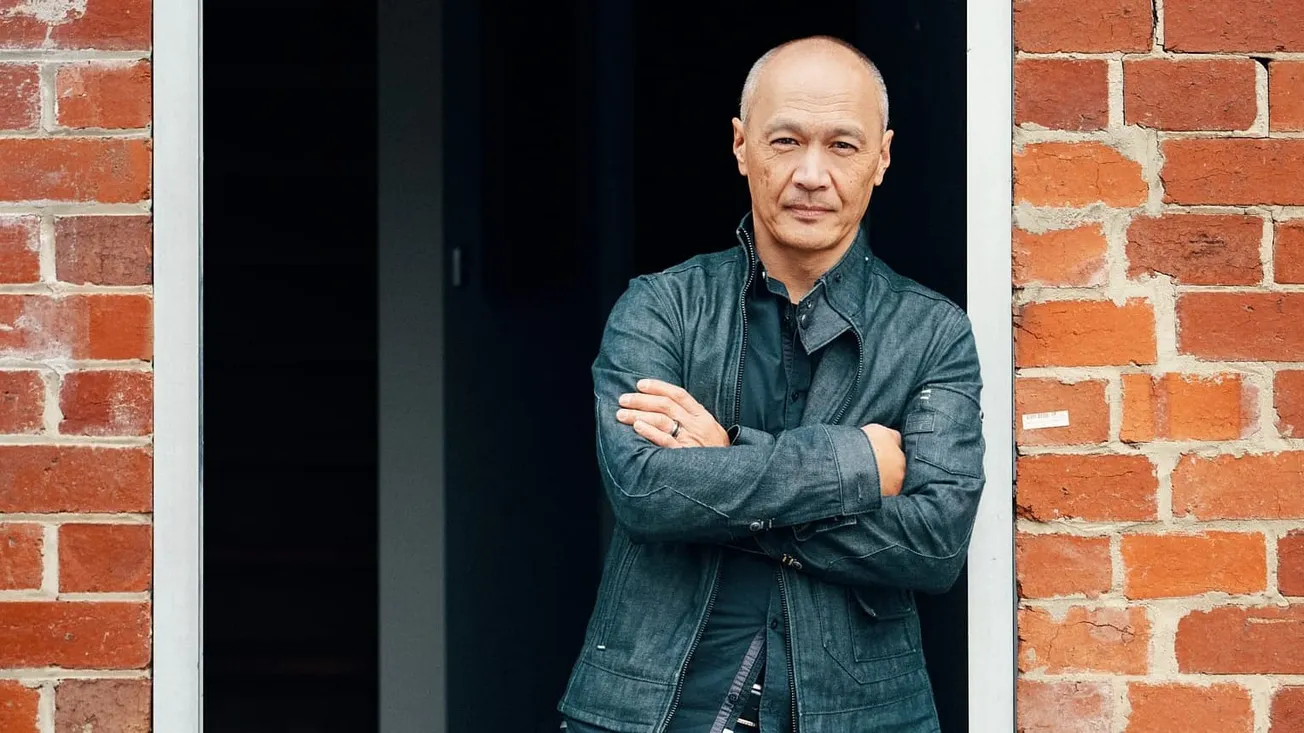
It's four o'clock in the morning in a Sydney warehouse and Mark Lizotte is awake. He likes it this way. Bed early, up before everyone else, two hours that belong to nobody but him before the phone starts buzzing with texts and emails and all the rest of it. Upstairs there is a studio, and next to the studio a little lounge that looks out over a park and one enormous Morton Bay fig. He sits due east, so the sun comes up right in front of him. The colours arrive first, then the inspiration. It is also, conveniently, the best time to call the kids, who live in Austin and New York, where the afternoon is just getting going.
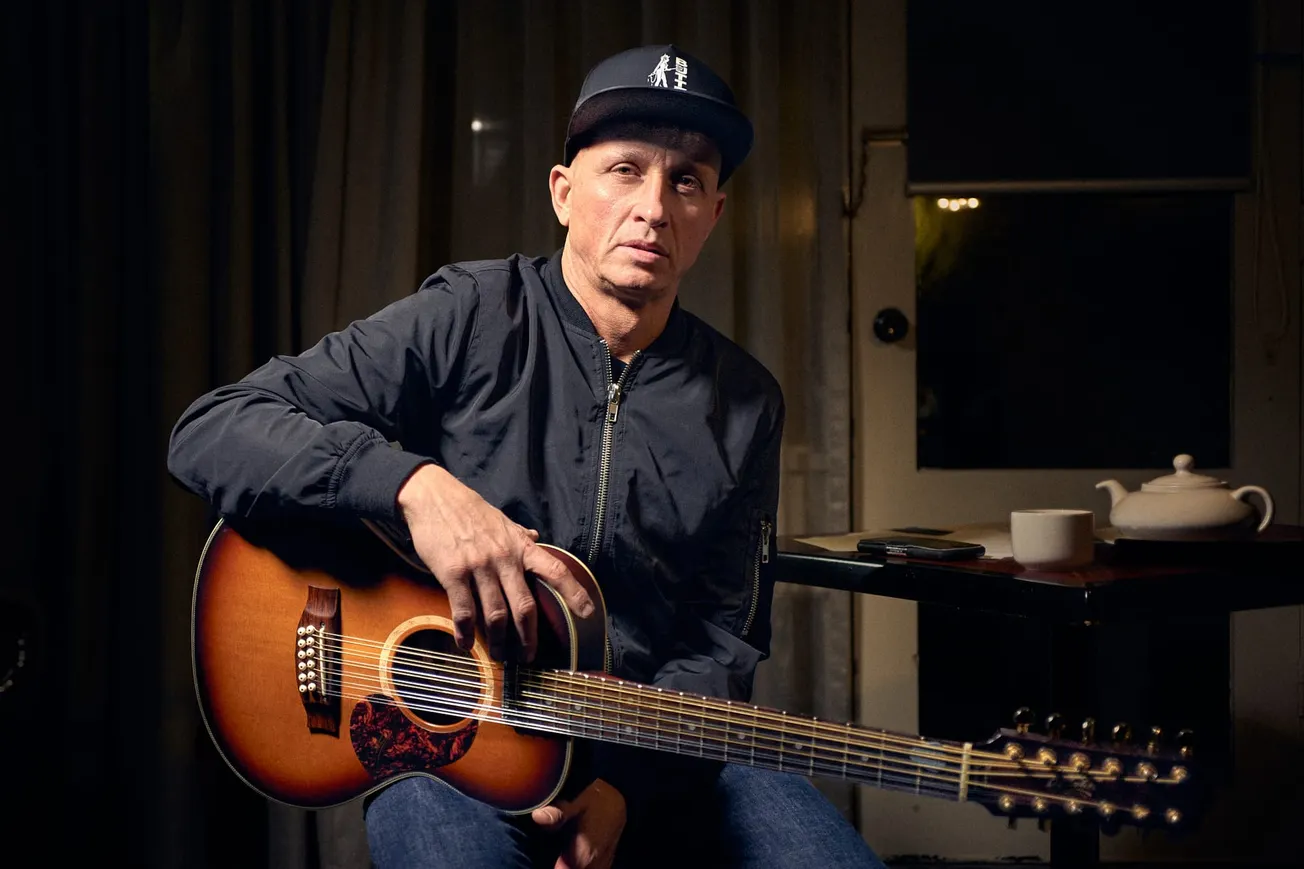
This is the man most of Australia knows as Diesel. Six ARIA Awards, sixteen albums, a voice that has been a fixture on the radio for the better part of forty years. Mark Denis Lizotte was born in Fall River, Massachusetts in 1966, the youngest of seven, son of a saxophone player, and his family emigrated to Australia when he was five. They drove down the Hume Highway, parked for a while in Albury, then ended up in Perth, where a teenage Lizotte found a job pouring petrol and, eventually, a stage name. He fronted Johnny Diesel and the Injectors out of the Perth pubs in the late eighties, crossed the Nullarbor to Sydney, and never really stopped. But this morning he is not talking about the hits. He is talking about a guitar most people have never heard of, and how a happy accident from the turn of the century changed the way he plays.
A guitar arrives out of the blue
"It's quite a lengthy story," Diesel warns, and he means it. Go back to the very beginning, around 1999 or 2000, somewhere near the end of the century. He was living in New York then. His brother-in-law Jimmy (Barnes) came over one day with a guitar in his hands and a message from Mark Malmborg, who was working at Maton at the time. The message, delivered in what Diesel remembers as a terrible Scottish accent, was simple. Mark wanted to get this thing into his hands.
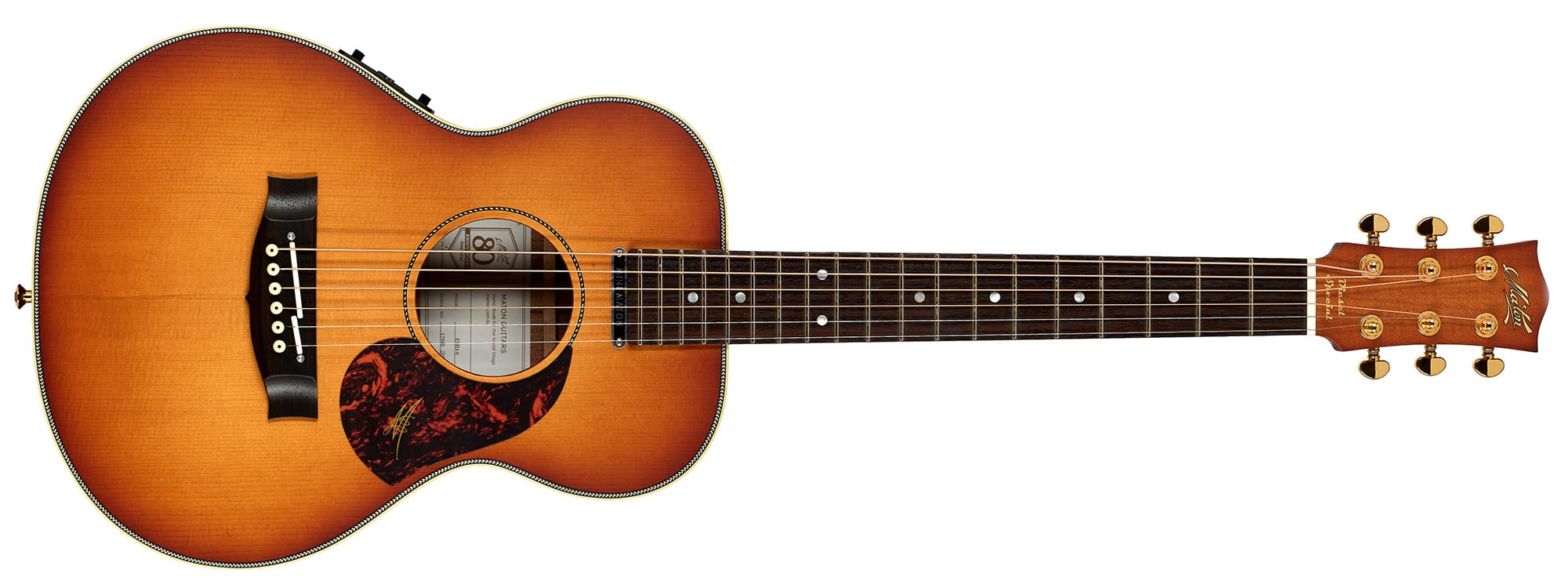
The thing was called the Stubbie Traveller. A shrunken dreadnought, no binding, super minimal, the kind of stripped-back build Diesel compares to the depression-era guitars Gibson and other companies knocked out when they pared everything down to the bone. This one had a cool two-tone sunburst. He hit a chord and it just went kaboom. Tight midrange, prominent, usable.
Midrange has always been his thing with acoustics. Everybody chases the bottom end, but you get plenty of that anyway from proximity effect when you put a microphone close. What you actually want, recording, is good mids. That is where the guitar lives. Same place as the human talking voice. The top end needs to be sweet, sure, but you will get that even with flatwound strings, which he loves on acoustics in the studio because they sound like the first few Bob Dylan records.
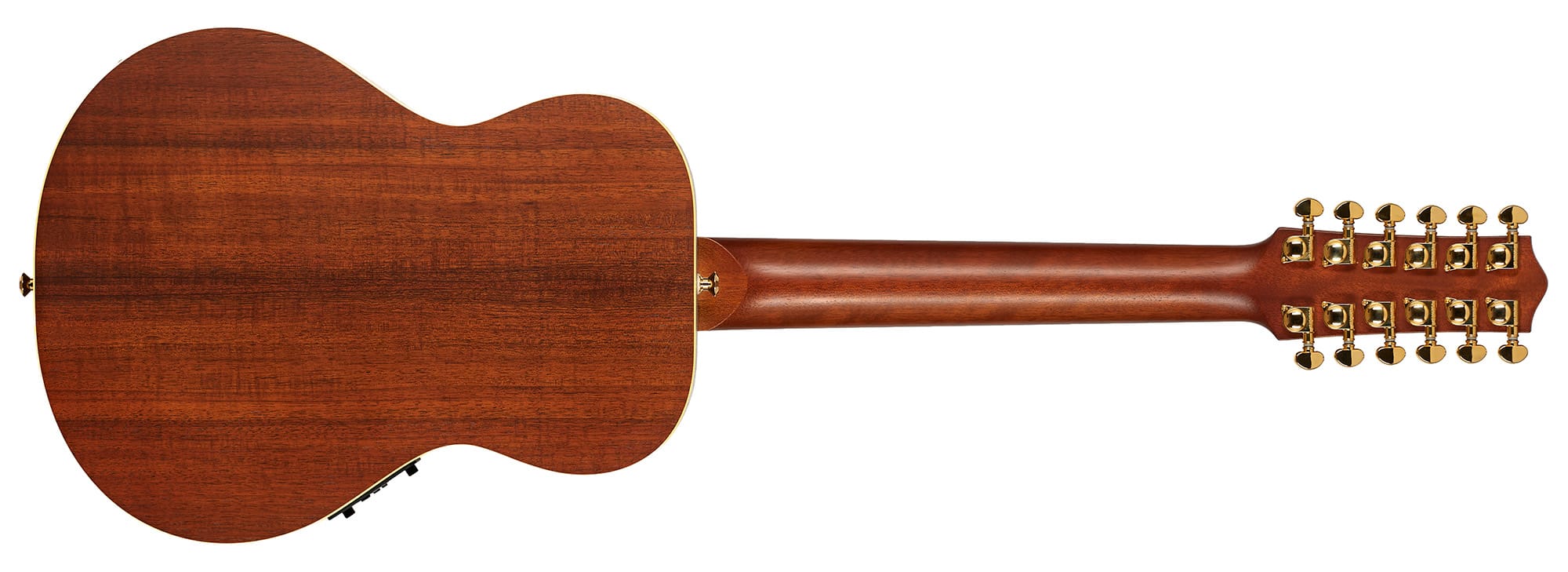
He fell for the little guitar instantly. It became the one he reached for to write songs. When he got back to Australia and went straight out on tour, he was playing an 808, satin black, a beautiful guitar, but he had to stuff it full of kapok pulled out of a pillow to stop the feedback. Back then the band was loud and there was a lot of backline amplification on stage. The dream was always the same. An acoustic he could play in a band and not feel like he was compromising. Something that sounded as huge as the acoustic on a Neil Young record, all-encompassing, not a polite little thing he had to apologise for.
So he asked Maton to put a pickup in one.
The jiggery-pokery begins
The answer was not a flat no, but it was not a yes either. Diesel could hear the brain ticking on the other end. Fitting electronics into a smaller body means less real estate to work with. But Malmborg did some jiggery-pokery and got it in there. That original guitar now lives down in Tasmania with his nephew Kyle, worn through to what Diesel calls Willie Nelson territory, the finish gone paper-thin, about the thickness of a cigarette rolling paper.
That guitar opened the floodgates. From there it grew and grew, until Maton said the obvious thing. Let's make these. The model went into production. The curvier mini jumbo shape arrived. Then Diesel went back to Mark with his next question. Can you make a twelve-string?
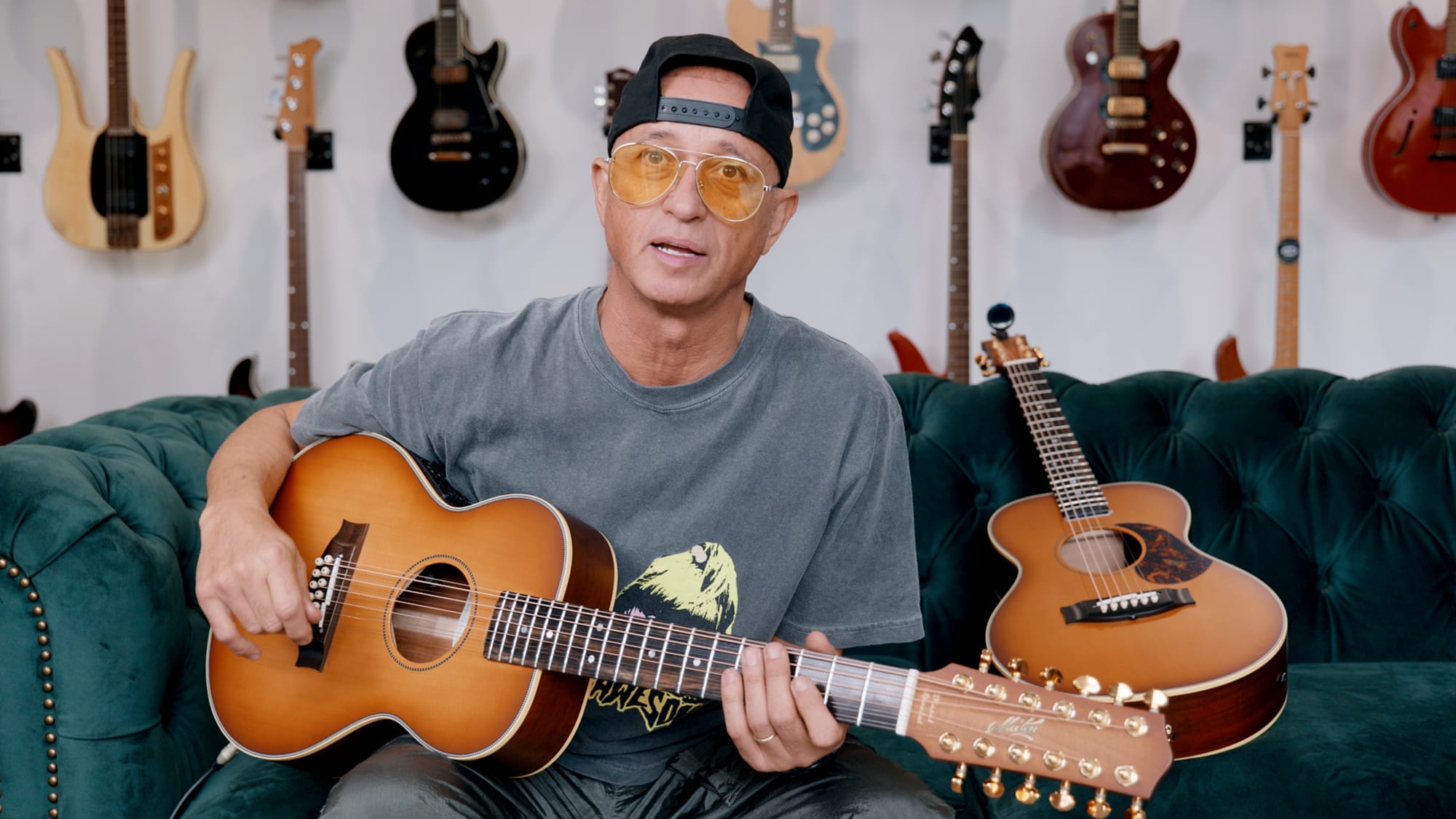
Same hesitant response, for a good reason. A twelve-string has an awful lot of machine heads, and a small body is going to want to tip forward under all that weight up the top. Mark worked out some kind of balance system. A twelve will always lean a touch when you are not standing with a strap on, Diesel says, but on stage he never notices. He is so comfortable on these instruments now that picking up a mini feels like picking up an electric. Almost everything he plays live sits at roughly this scale, the double bass and baritone aside, so the small body has become his natural home.
A workhorse with a wild streak
What he noticed straight away was that the mini could project inside a band. And it was a joy to play around the house, the kind of guitar that just makes you want to pick it up. But the real point, for Diesel, is dignity. He wanted to be able to play an acoustic and hold his head up and enjoy it as much as an electric. With an electric you plug in and it is tangible, you have a hundred ways to be heard. He wanted that on an acoustic. On steroids.
A lot of it starts with the wood, he says, but the pickup system is the secret. There are other ways to amplify an acoustic, but this one, maybe because it has actual pole pieces, stays alive. The Maton system, the AP5 PRO, runs a six-pickup rail recessed into the bridge plate, and the EQ is completely usable to him straight off the guitar. These days he is quieter on stage, the PA does the heavy lifting, so he can even wind in a touch of the onboard mic for that bit of air. The undersaddle pickup still does the lion's share of the work.
He has done his share of brutalising them too. He plays percussively, slaps and bangs and treats the things to ridiculous amounts of abuse, so pickups die and he has learned to install replacements himself. The one big modification he made was on his six-string, where he added a Telecaster pickup in the neck position. The reason is simple. When he stamps on some crazy overdrive or fuzz, the regular acoustic pickup starts squealing, because it is trying to do its job and sound like an acoustic. Flip to the Tele pickup and he can go places he otherwise could not.
Technically, he admits, it should not even work. Phosphor bronze strings have the wrong metal content for a magnetic pickup. "It works, trust me." If purists complain it is in the neck position when you want bridge bite for a solo, well, that is what EQ and a wah pedal are for, and he has never noticed the trade-off. He wants to play a solo, kapow, boom, done.
The funniest part is the reaction. People come up to his sound tech, Warwick, after shows and ask if the guitar was on a backing track. They cannot believe a small-bodied acoustic just did that. To Diesel it is obvious. It is a guitar. It has strings on it. You can turn it into all kinds of things, so do not limit yourself. He is not the only one, either. He rattles off John Butler, Xavier Rudd, Ben Harper, players who shoved acoustic instruments into strange new realms just by switching things up.
The monster in the rack
Look at his guitar rack on stage on any given night and there will be six or seven guitars. Four of them are minis. Three twelve-strings, one in drop D (because who doesn't love dropping the E down to D), And then there is the baritone, which is the one that stops the room.
Strictly speaking, a baritone should not exist at this scale. The neck ought to be longer. Diesel found the right gauge of string and made it work anyway, tuned all the way down to B, and at gigs it pulls more attention than anything else on the rack. He describes the sound as a cross between a clavichord, a harpsichord, and a D9 tractor coming down the road at you. Almost frightening.
The trick comes from Lead Belly. The idea is to use a big string, a gauge .070 here, tuned down to B, and instead of doubling it an octave above, you string a plain .017 two octaves up, so you get a twinkle sitting on top of a subterranean low end. Everything in between is relative tension borrowed from a twelve-string set, and for the two B strings he runs a pair of wound .022s, two thin wound strings oscillating together. The tension feels close to a standard guitar. His hands do not even know they are wrestling those monsters.
Then there is the standard twelve, tuned to E flat lately for a bit more body, and his trusty old six, the same model as the new one but with a lot more dings and most of the finish worn off the back of the neck. He cannot let it go. Mojo up the wazoo, he says. If he had to guess how many times he has played "Tip of My Tongue" on that one guitar, the number runs into the thousands. In some circles, he notes, they would call that one the breadwinner.
Forty years on the road, and still pinching himself
The conversation drifts, the way good ones do, out onto the open road. Diesel tours every year. The only time he stopped was COVID, and that was strange. He had to dig back into his thirteen-year-old brain, the kid who could not wait to get at it, and instead just sit and be patient. Frightening, because nobody had an answer to anything. He made two records to get through it, a blues album and the collection of his own songs, Bootleg Melancholy. He remembers one matinee at his brother's theatre, Lizottes in Newcastle, where word came through mid-afternoon that everything had to shut by 6pm, and the whole crew just got in their cars and drove home, leaving a second show unplayed. Do the right thing he thought.
These days he is more likely to be found in a regional civic centre than a sticky-floored pub, and he is fine with that. His first manager told the Injectors at the very start that they would never be a band that only played the cities, and he was right. Diesel loves the regionals. The oxygen up your nose. The river running through a town he never knew was there, discovered on a morning run before a show, somewhere like Wagga Wagga. He is an avid runner and treats it almost as a ritual, a way of touching the ground, literally and metaphorically, in a place before he gets up and asks its people to give him their evening. It makes him feel legit. Not just rolling into town with a hand out.
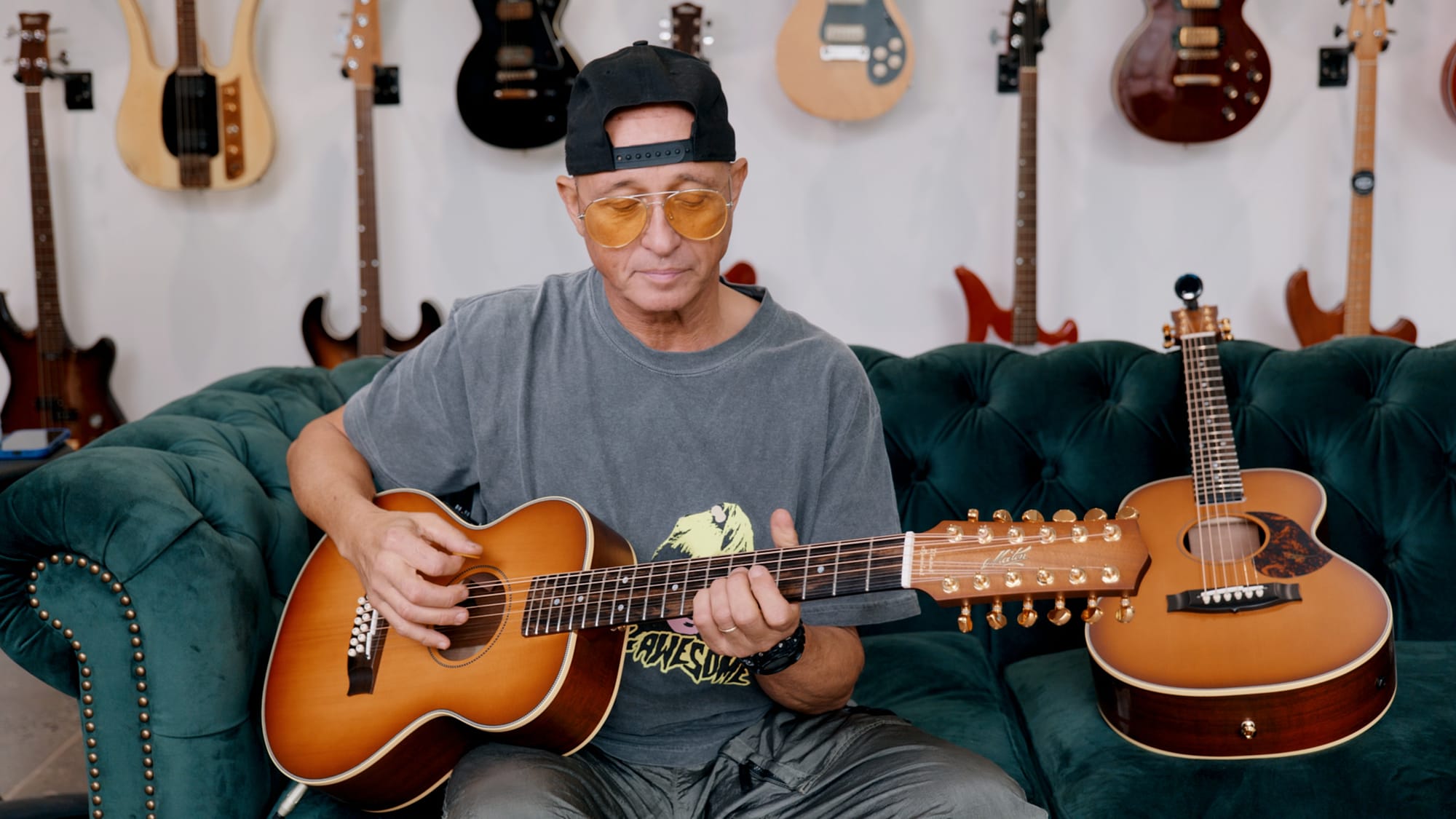
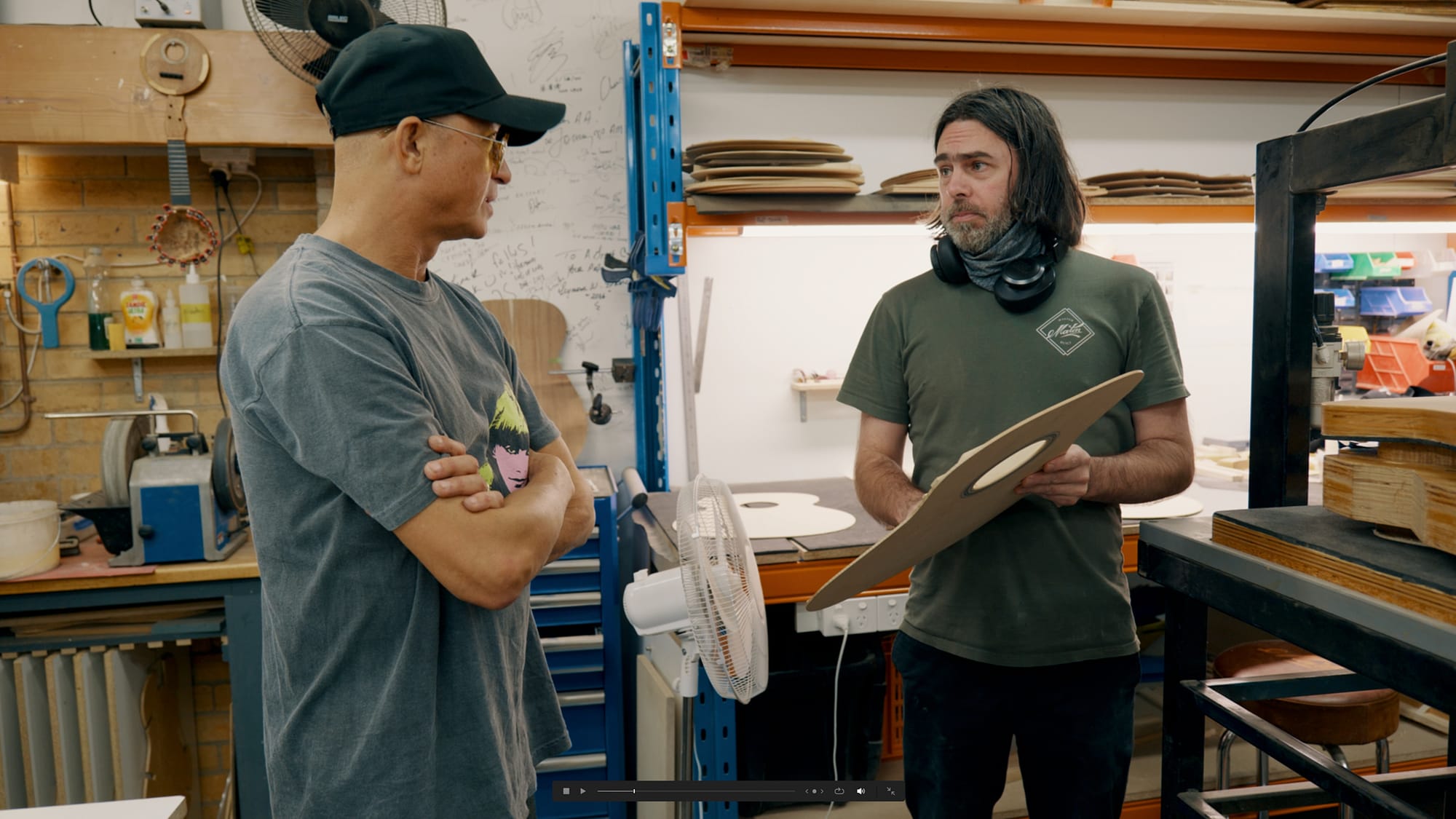
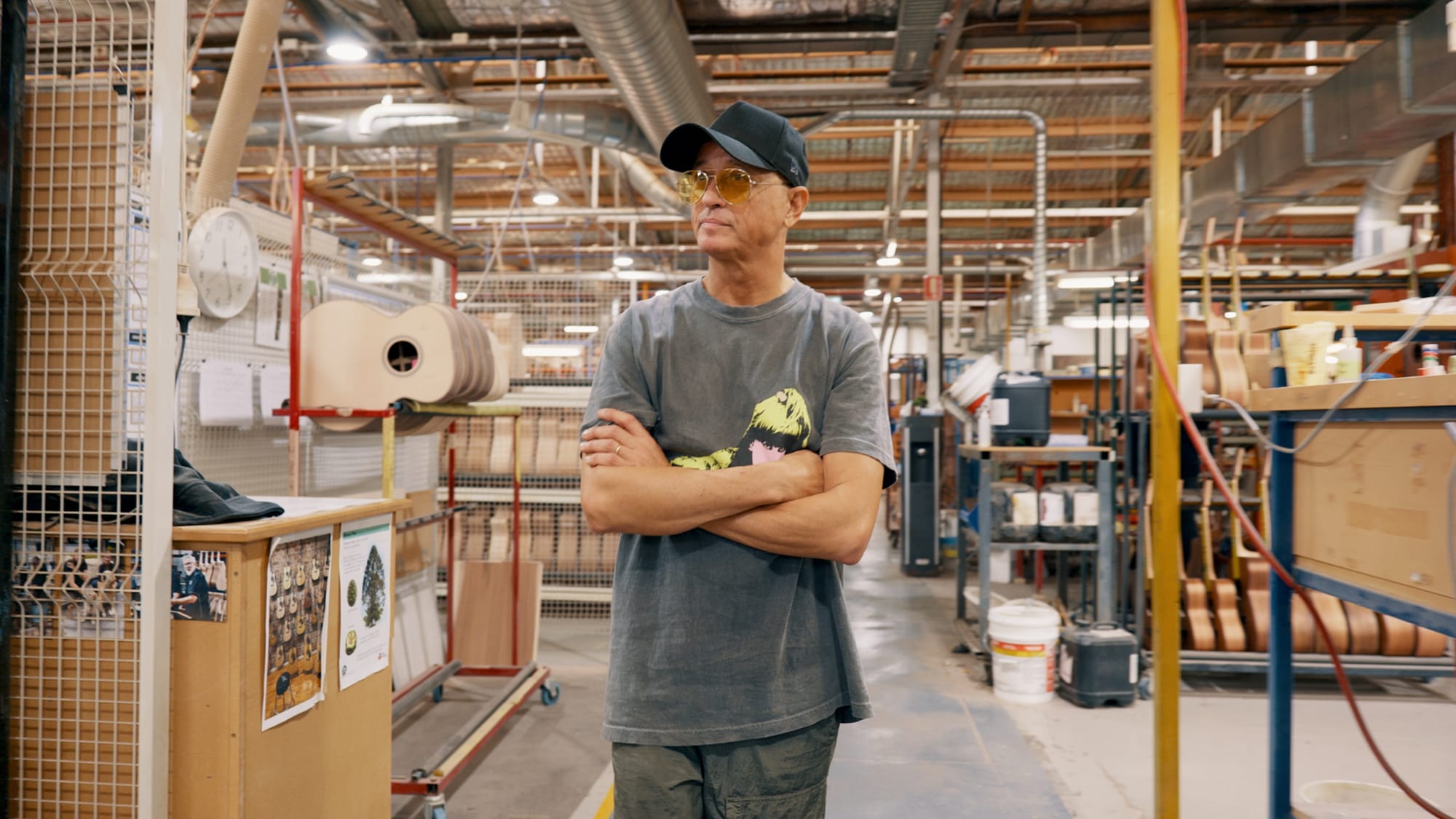
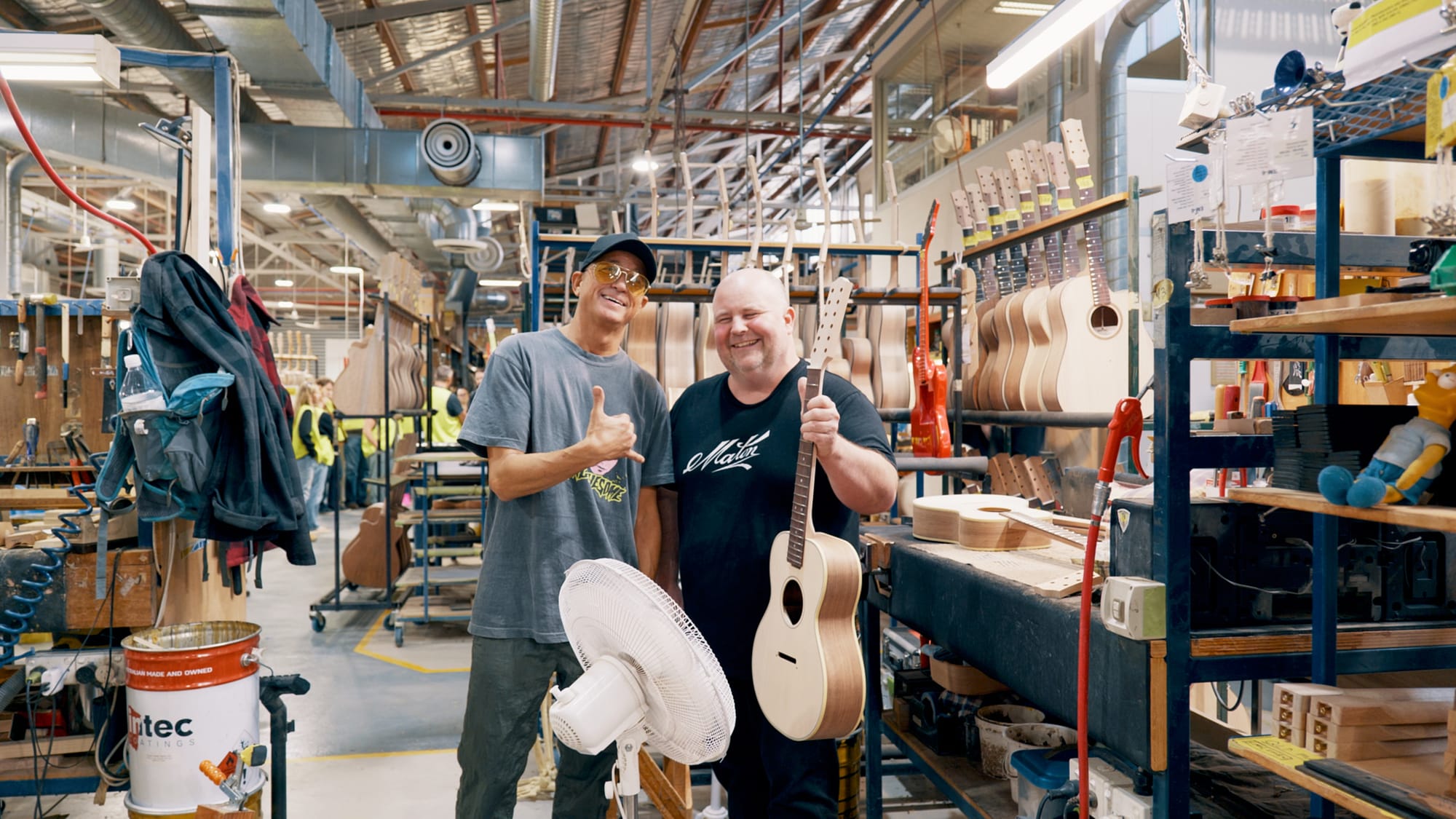
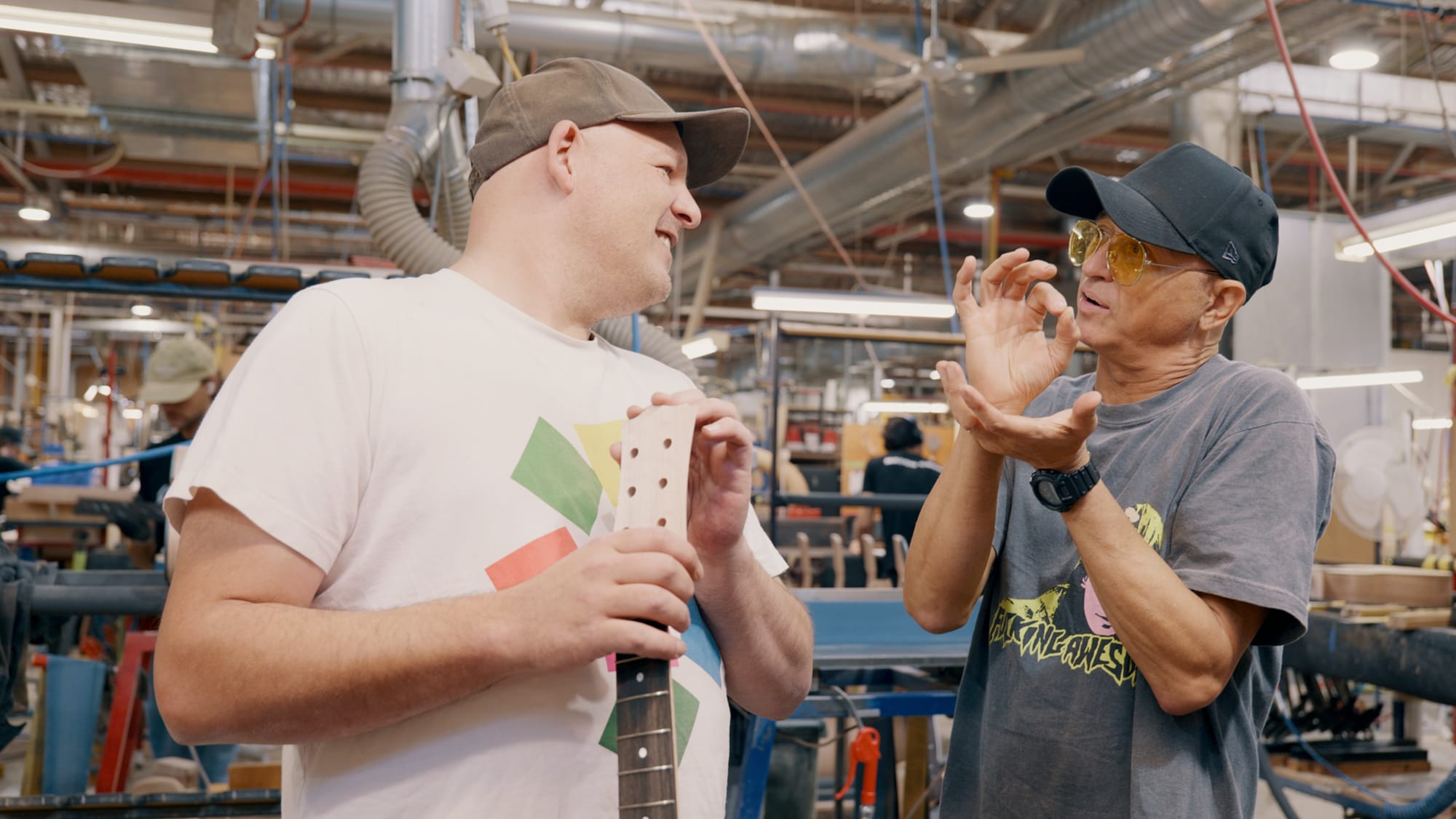
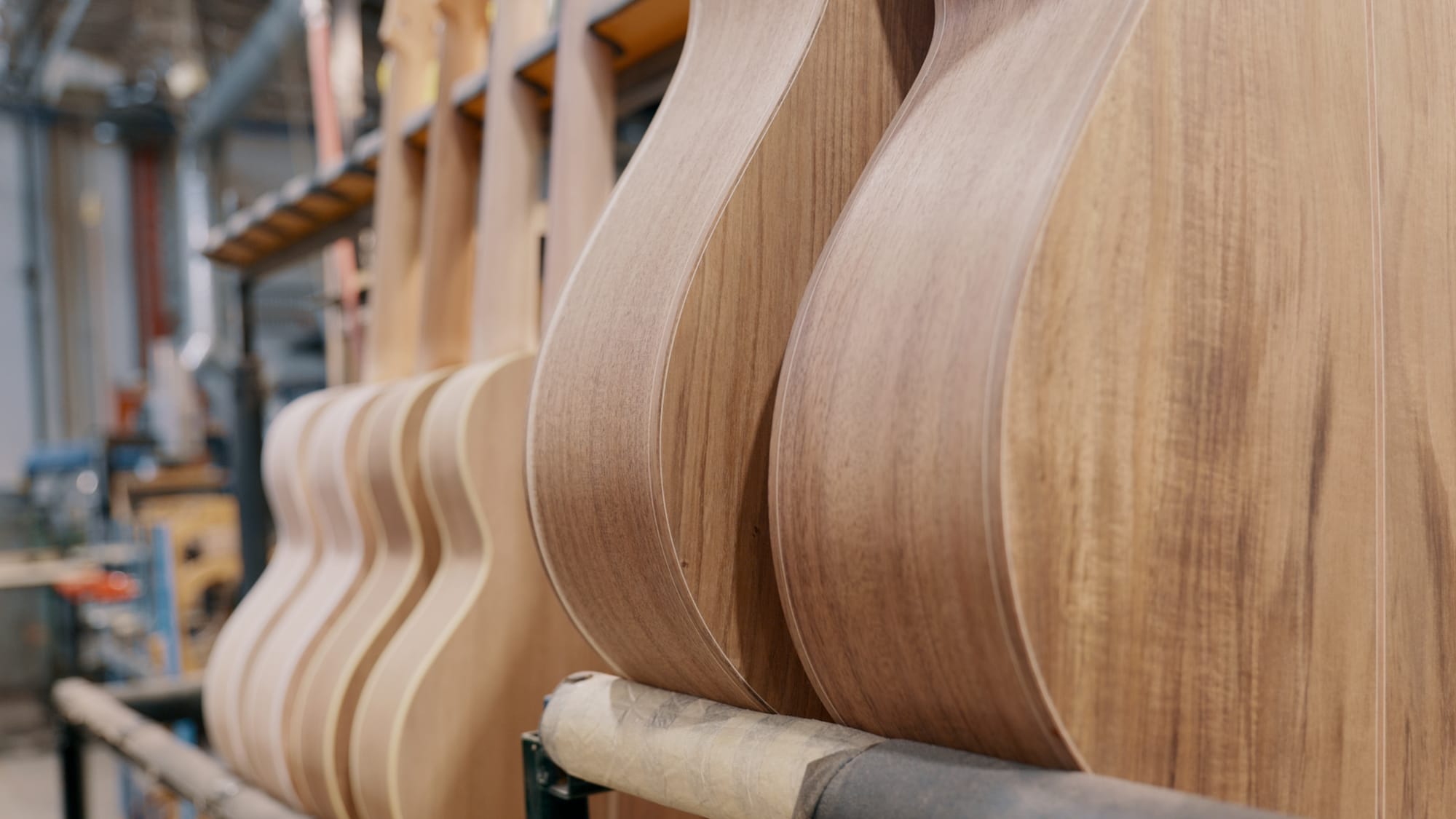
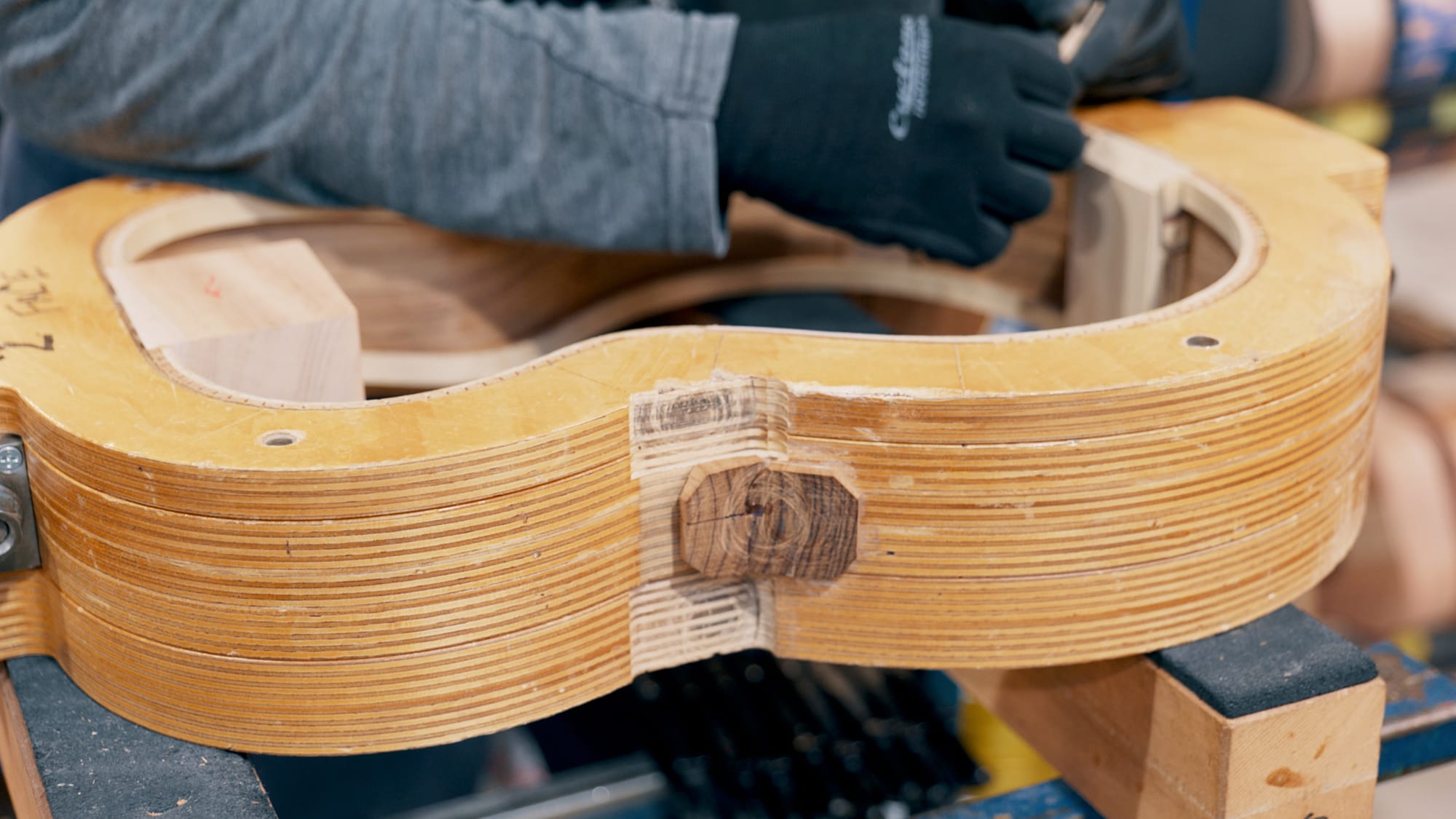
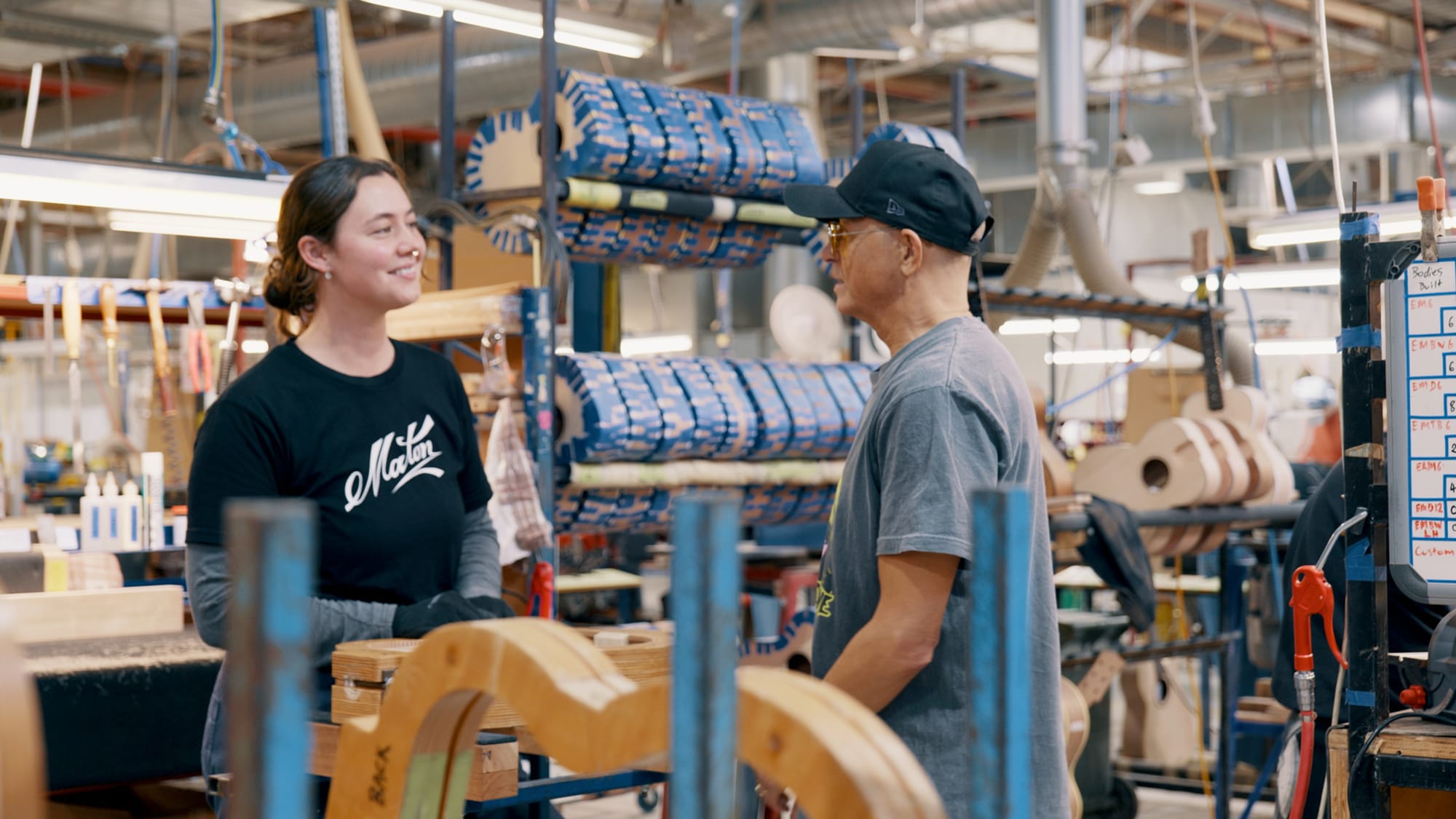
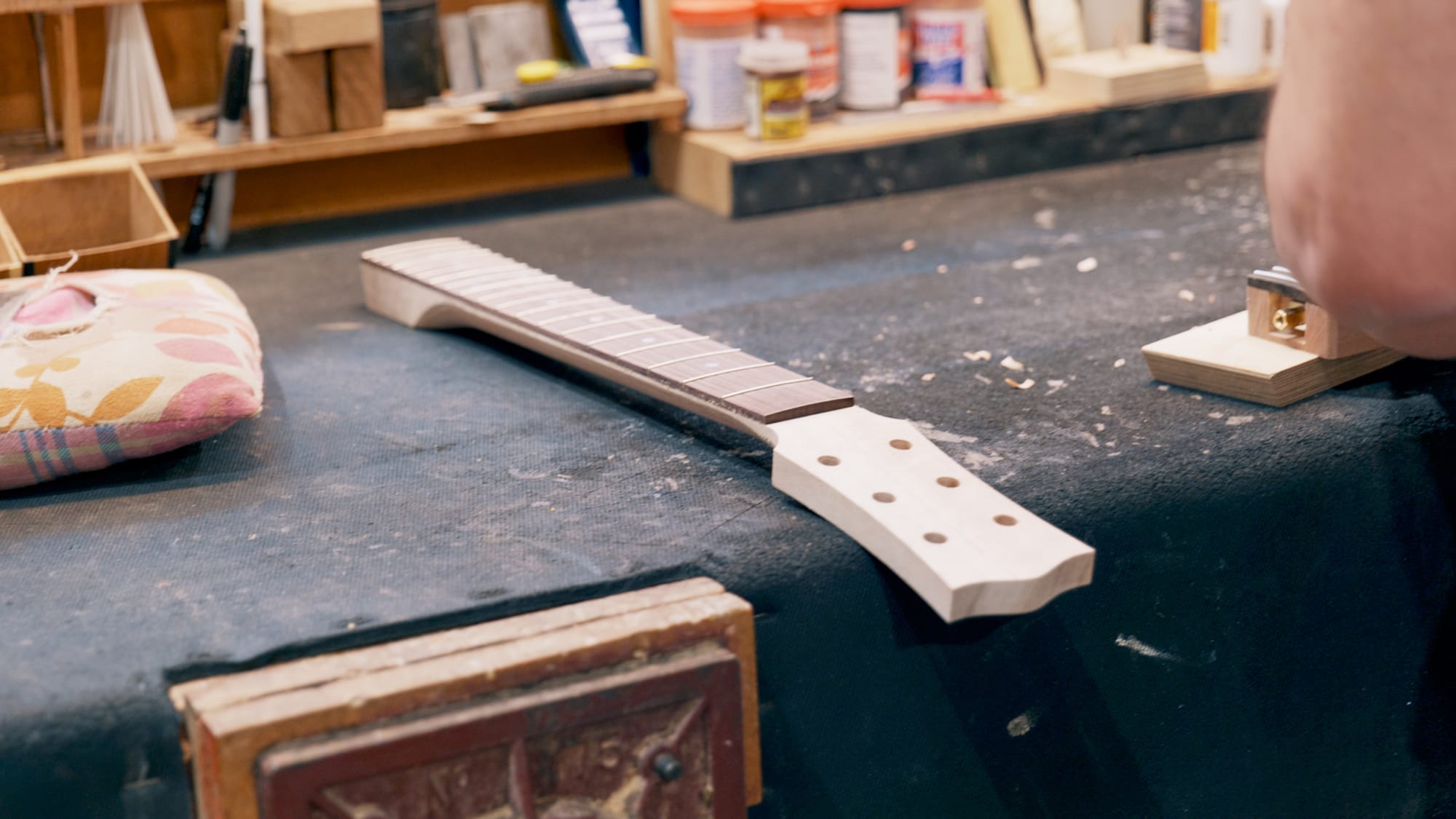
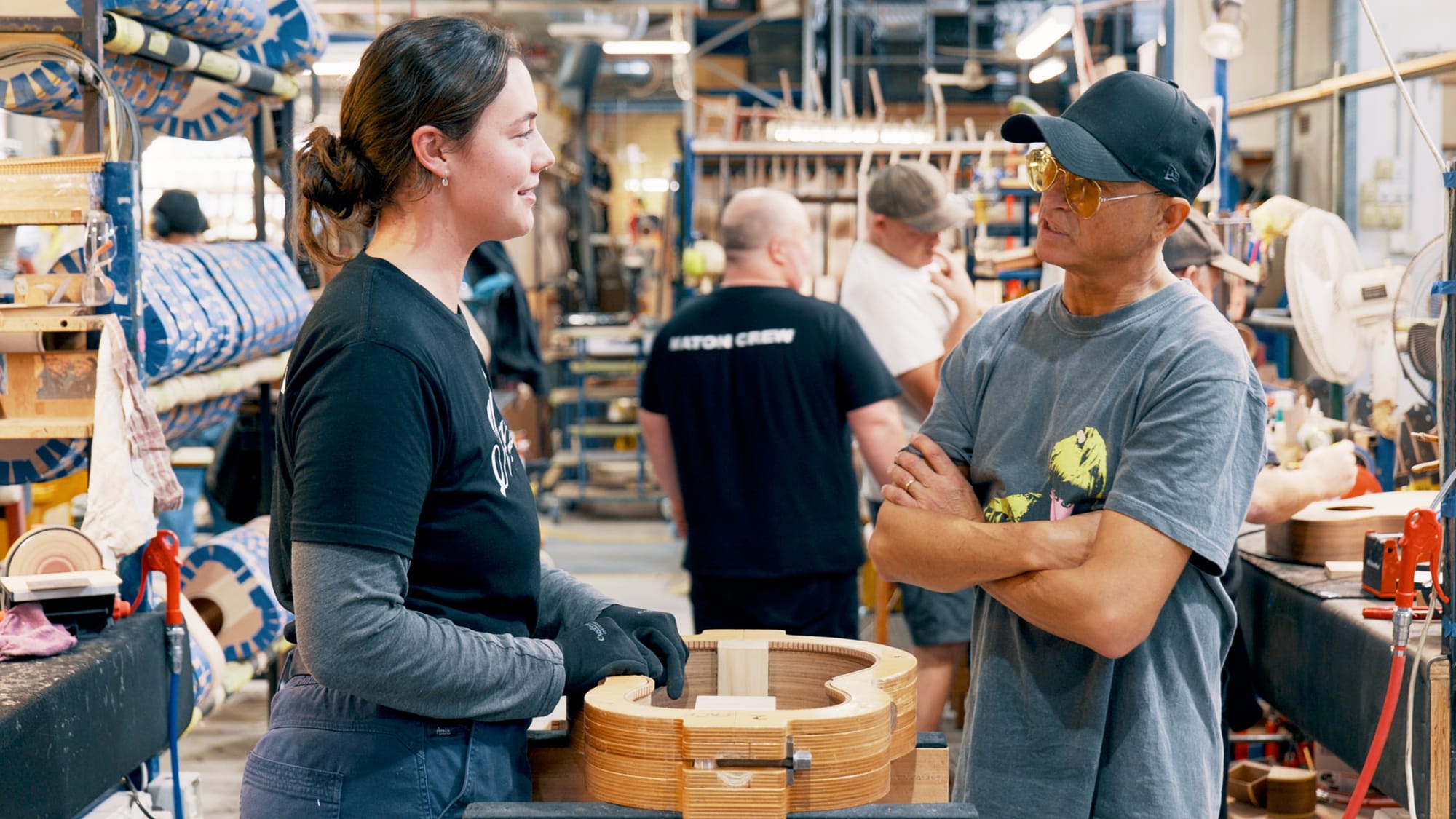
All photos © Peter M Lamont 2026
He has been showing his face in those towns for nearly four decades now, long enough that he is watching whole generations cycle through. The kids who first saw him are bringing their kids. People have made friends at his shows. People have gotten married. He is, he says, just one of the cogs.
He worries about the venues, though. He grew up on the pub circuit of the seventies and eighties, watching Midnight Oil, the Sunnyboys, INXS, even Simple Minds in a room that was not very big, in a Perth scene he calls ridiculously fertile and popping off. That world has shrunk to a boutique version of itself. Even Melbourne, which loves to boast about having the most music venues per capita, has nowhere near what it once did. His worry is for the artists coming up now. Where do they go to learn?
He is not a doomer about it. He has seen what the internet can do, points to a French artist named Oklou who filled a room in Sydney on the other side of the world with almost no radio play, all of it through people's phones. That is genuinely new and exciting. But something has been lost too. Diesel came out of his bedroom not remotely ready, a cellist since the age of eight, a guitarist since thirteen, with strong hands and no idea what any of the chords were called. He just knew strings, and worked the rest out by feel. What saved him was being able to get up and fumble through, then go and watch other people play, and better still play with them.
That is the advice he hands young players now, and it always starts in the same place. Listen. Stop for a second and hear what the bass player is doing. YouTube and tab and being able to slow a lick down are all science fiction compared to twenty-five years ago, and they are wonderful, but none of it makes you a musician the way playing with other humans does. The language is call and response. His own band can read him by body language alone, his drummer clocking where his foot is headed on his monstrosity of a pedalboard after all these decades behind him. A better listener makes a better musician than a better talker ever will.
Still making records nobody asked for
There is a melancholy that lands when a record is finished. You live with a thing, you love it and hate it, you release it, and the cookie jar is empty. He combats the slump by starting another record immediately, even knowing nobody is screaming for one.
He has the gear to do it on his own terms. The old way was six weeks booked, four for tracking, two for mixing. Now he works in his home studio on his own hours, somewhere between workaholic and slackaholic depending on the day. He is grateful for the years he spent in real rooms, places like Air Studios in London with its 72-channel Neve console, the stuff of dreams. He learned the old formula, track on the Neve for the warmth and the harmonic content, mix on the SSL to sharpen the edges. He is no purist about it now. He thinks plenty of plugins sound incredible, and he marvels that you can make a great album with a laptop and one mic. When Steve Lacy made a hit on an iPhone, he says, that was the flag going up. It is not about the tools anymore. It is about the song. Always has been.
The new one has been stop-starting since 2024. He is up to about eighteen songs, which technically makes a double album, and he is not about to put out a double album. So expect singles first, some behind-the-scenes leaks on socials, and the record itself most likely in early 2027.
He is still pinching himself, all these years on. He just finished a leg of touring with two sellout nights at the Sydney Opera House, which he calls a salubrious way to wrap up a run. There is something about that piece of land, special long before any of us got here, that makes you want to bring your A game. The next tour kicks off in spring 2026, heavy on the regionals, which is exactly where he wants to be.
Diesel's career has the shape of a fairytale that he is the first to say does not just happen to everyone. He slept on the right couch first, the one belonging to manager Brent Eccles, who introduced him to Jimmy Barnes, who happened to be in for a session. Seven months of touring with Barnes around Australia and the world followed, then a high-selling debut cut in Memphis, everything arriving in exactly the right order. His 1992 solo album Hepfidelity went to number one and won ARIA Awards for Best Album and Best Male Artist, the first of three straight Best Male Artist wins. "Tip of My Tongue," the song he has now played thousands of times on that beaten old six-string, became his highest-charting single.
Then, at the peak of it, he wiped the canvas. In 1996 he packed up his young family and moved to New York with, by his own account, not even one song. He scored a residency at Arlene's Grocery, went back to being unknown, got rude doormen telling him they did not take unsolicited tapes, and discovered what the real world felt like for an artist starting from scratch. He came up out of it the way he always had, by playing, and got signed again, this time recording 1999's Soul Lost Companion under his birth name with Talking Heads' Jerry Harrison producing. He still talks about walking the East Village with Harrison, being shown the doorways where Blondie and David Byrne once squatted with no electricity.
That instinct, to get his hands on everything, to never quite put the tools down, runs through all of it. He once wished he had never become the kind of musician who needs to mic up the room himself, who cannot leave a record alone until the last possible minute. He is not about to walk away from it any time soon. At four in the morning, watching the sun come up over the fig tree with a paper-thin little guitar within reach, you get the sense he never really could.