Table of Contents
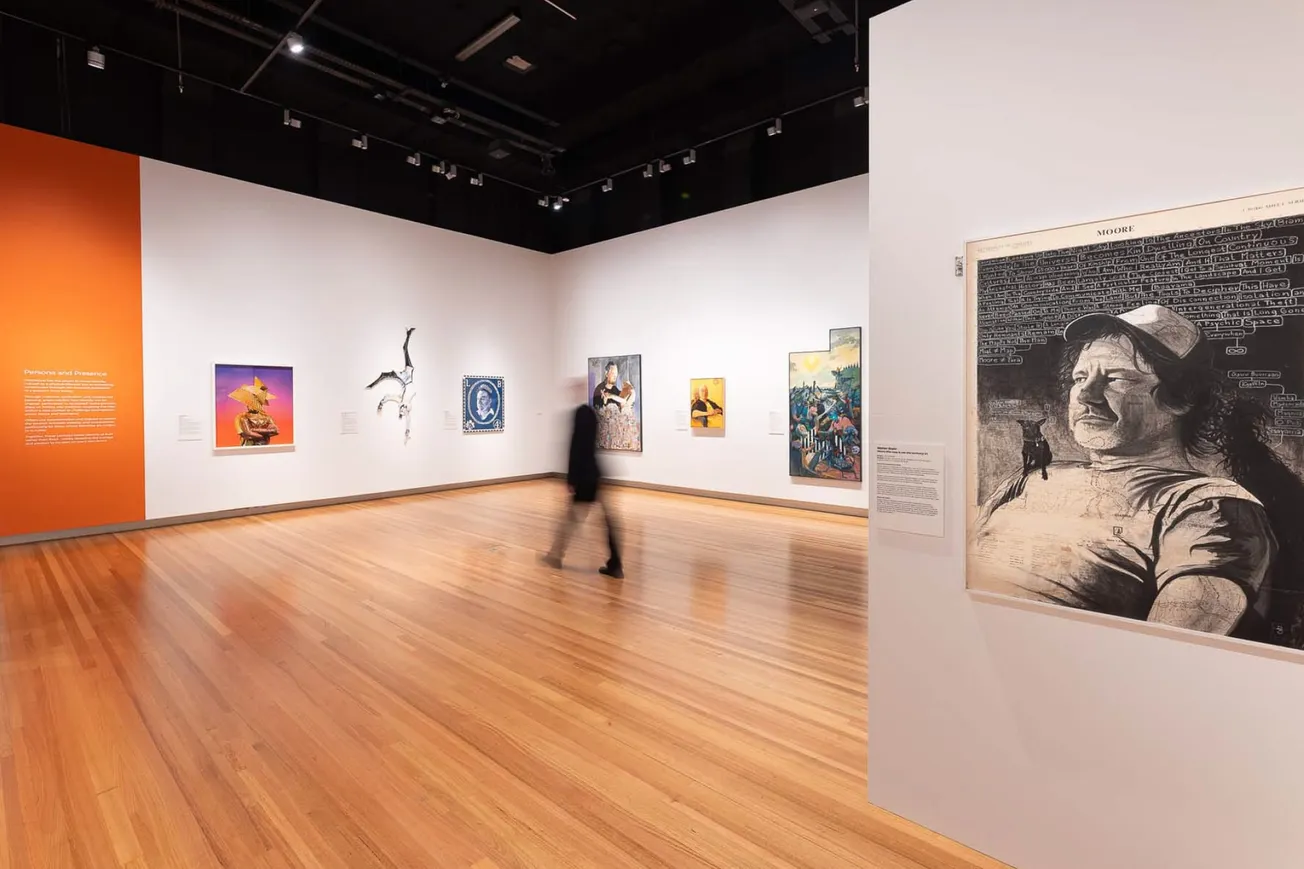
How much power can a 150-word plaque on a gallery wall really have? Enough, it turns out, to shut down one of the most famous galleries in the United States.
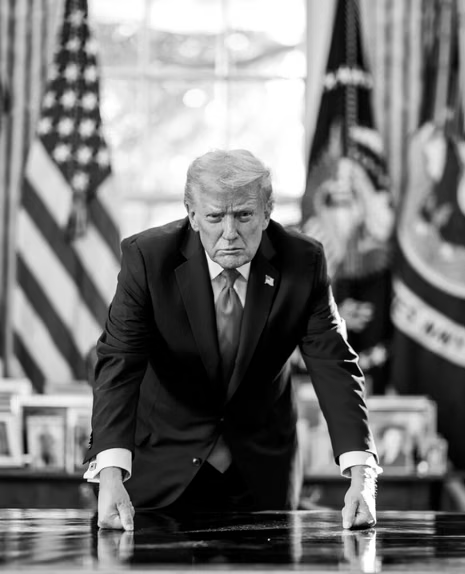
The Smithsonian's National Portrait Gallery recently decided the wall text accompanying Donald Trump’s official portrait was a bit much. The original text had the historical audacity to mention his two impeachments and the January 6th insurrection. You know, things that actually happened. In their place, the gallery subbed in a shorter, blander, altogether more polite version. History, but with the edges sanded off.
They must have hoped no one would notice. They hoped wrong.
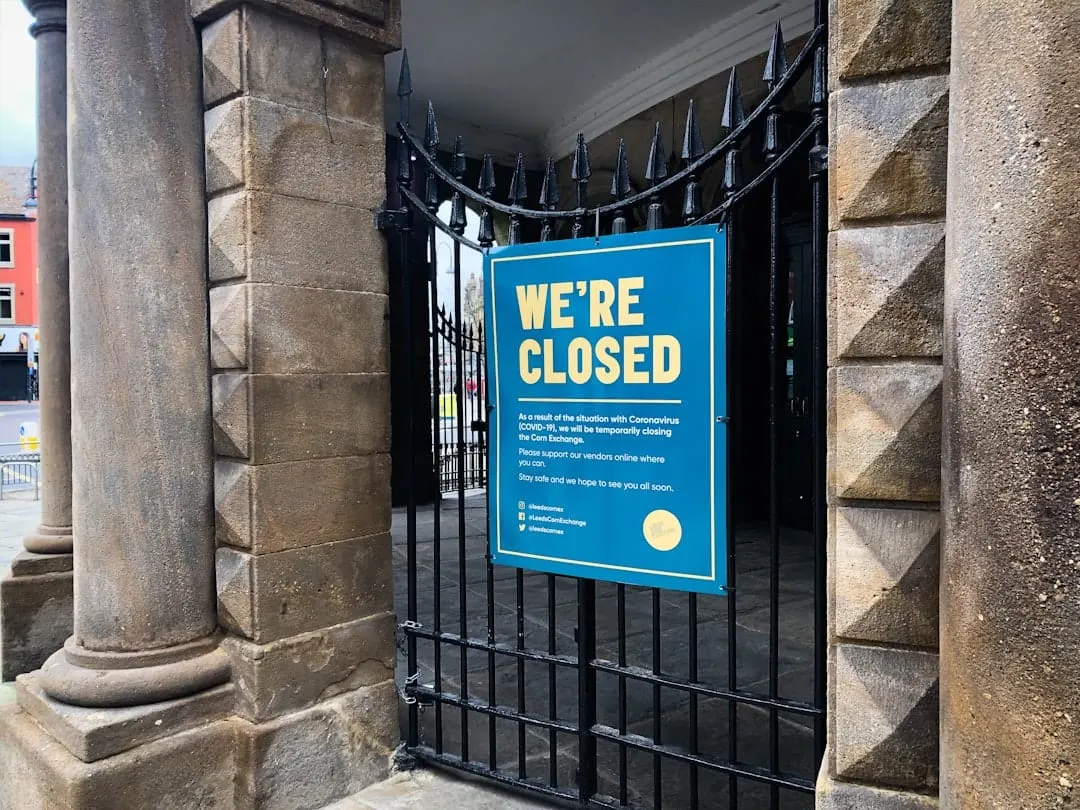
History professor James Millward noticed. He walked into the gallery not with a spray can, but with a stack of handouts. On them was the original text, the one with all the inconvenient facts. He began what he called a ‘guerrilla teaching’ session, handing out the truth the museum had decided to hide. Security, predictably, lost its collective mind and closed the gallery.
Let’s be clear. This isn’t about curatorial choice. This is about institutional cowardice. A national gallery has one job. To tell the story of a nation, not the sanitised, board-approved, donor-friendly version. By removing documented historical events from the context of a portrait, the Smithsonian isn't curating. It’s cowering. It’s treating its audience not as citizens capable of navigating complexity, but as children who need to be protected from uncomfortable truths.
For educators, this is a gift. A perfect, messy, real-world lesson in media literacy and the construction of historical narratives. Forget dusty textbooks. Give your students the two versions of the text. Ask them to analyse the changes. What was removed? Why? Who benefits from this new, tidier story?
The answer to that last question is the whole lesson.
A museum that’s afraid of history is just a building full of expensive decorations. The Smithsonian wanted to present a simple portrait. Thanks to Professor Millward, they accidentally revealed a much more accurate picture. One of a country still arguing over the facts, and of powerful institutions trying to have the last word.