Table of Contents
Twenty-five years ago, Britain made a decision about who should be able to walk into its national museums. The answer was everyone. Fast-forward to the present, free entry is now being questioned.
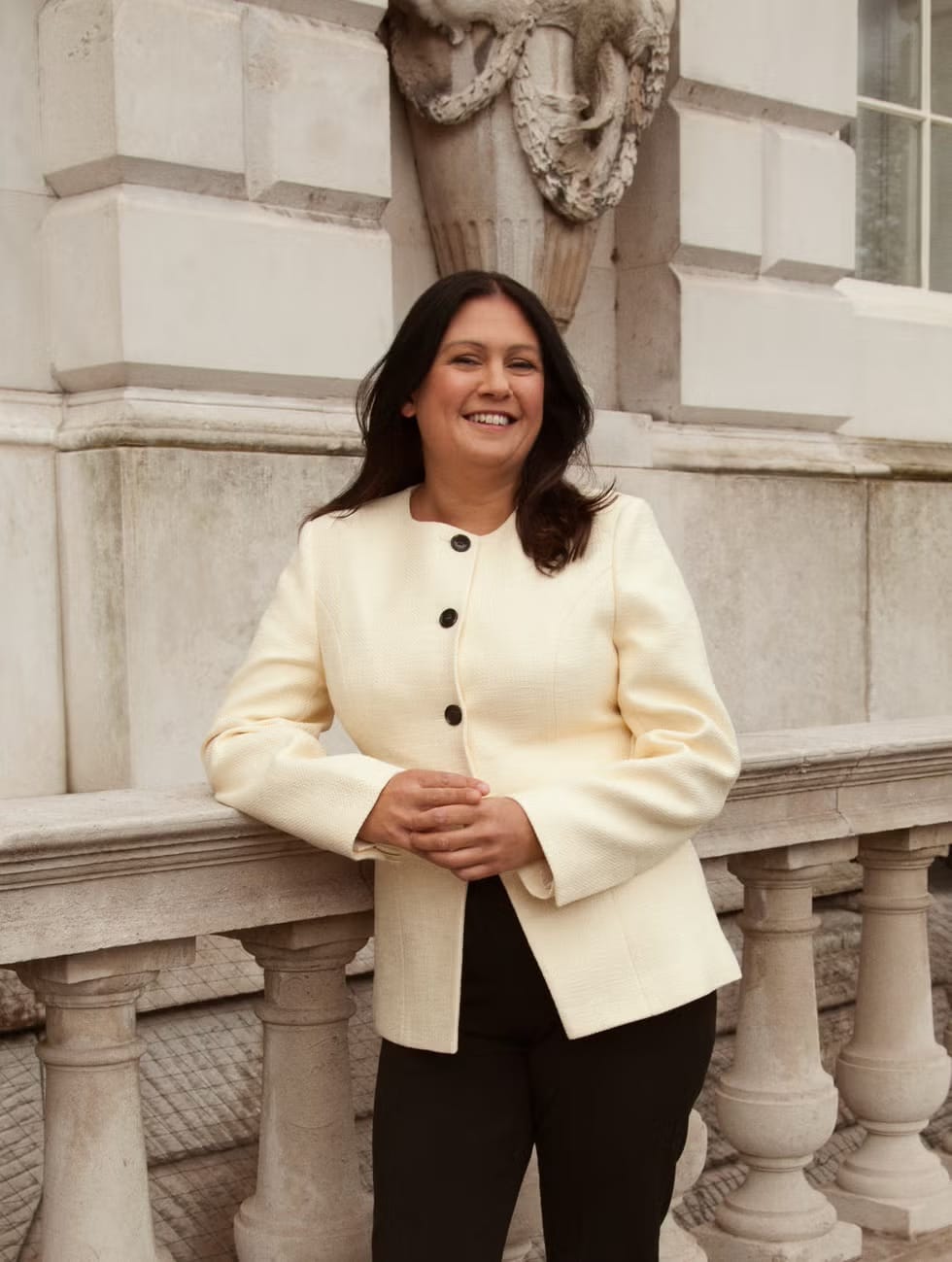
On 1 December 2001, universal free access was introduced across the permanent collections of the country's national museums and galleries. The principle has survived successive governments, financial crises, and years of pressure on cultural budgets. This week, Culture Secretary, Lisa Nandy, confirmed that it will remain, committing the government to free admission across the 15 national museums sponsored by the Department for Culture, Media, and Sport.
It is easy to measure the success of the policy through attendance. Ten years after universal free admission was introduced, visits to formerly charging national museums in London had increased by 151% compared with 2000-01, while those outside London recorded a 148% increase.
But the more significant achievement is harder to put into a spreadsheet. Britain has spent 25 years treating some of its most important cultural collections as part of the public's education, available without a ticket, membership, or qualification.
Museums occupy an unusual place in education. There is no curriculum determining what somebody must see and no exam waiting at the end. A visitor can enter the National Gallery to see a single painting, spend an afternoon at the Natural History Museum or return to the British Museum repeatedly without needing to justify the visit through its monetary value.
Free entry makes this kind of learning possible. Paying £20 or £30 changes the calculation. A museum becomes an occasion to plan and get your money's worth from. When entry costs nothing, somebody can wonder in because they have an hour to spare. A parent can bring a child back to the same collection. A student can use a gallery as an extension of the classroom. Curiosity carries less financial risk.
This matters because education does not end with formal schooling. Art, archaeology, science, design, and social history helps people understand societies they inhabit and the histories that produced them. Museums are also places where national histories can be disputed. Collections shaped by empire and colonial acquisition increasingly sit at the centre of arguments about ownership, restitution, and the authority institutions have traditionally held over the interpretation of objects. Public access allows those collections, and the institutions responsible for them, to be encountered and scrutinised.
Free admission should not, however, be mistaken for equal access. Removing ticket pricing does not remove the cost of travelling to London or another major city. It does not guarantee that every visitor feels represented or comfortable inside a national institution. Nor does it solve the financial pressures museums face. Government support remains fundamental to the model, and national museums also depend on income generated through exhibitions, shops, catering, donations, and other sources. DCMS currently sponsors 15 national museums and provides free public access to their permanent collections.
These limitations are an argument for improving access, not for reinstating one of its most obvious barriers.
The debate over charging international tourists exposes the significance of this principle. A two-tier system might have raised additional revenue at some institutions, but it would also have changed what Britain means when it calls its national collection publicly accessible. The government has now chosen to preserve universal admission.
There is something particularly valuable in the word universal. Museums contain objects, artworks, and histories that cross national borders, often under complicated circumstances. Their audiences do too. Allowing a visitor to encounter those collections without first dividing people into those who qualify for free knowledge and those who must pay for it is a meaningful expression of what a public cultural institution can be.
The victory of Britain's free museum policy is therefore not simply that more people visit museums. It's that entry does not have to be earned.
For 25 years, millions of people have been able to walk through the doors of a national museum, encounter something they did not know, and leave having learned it. In a society where so many educational and cultural opportunities are determined by what people can afford, keeping that experience free is a democratic achievement worth protecting.