Table of Contents
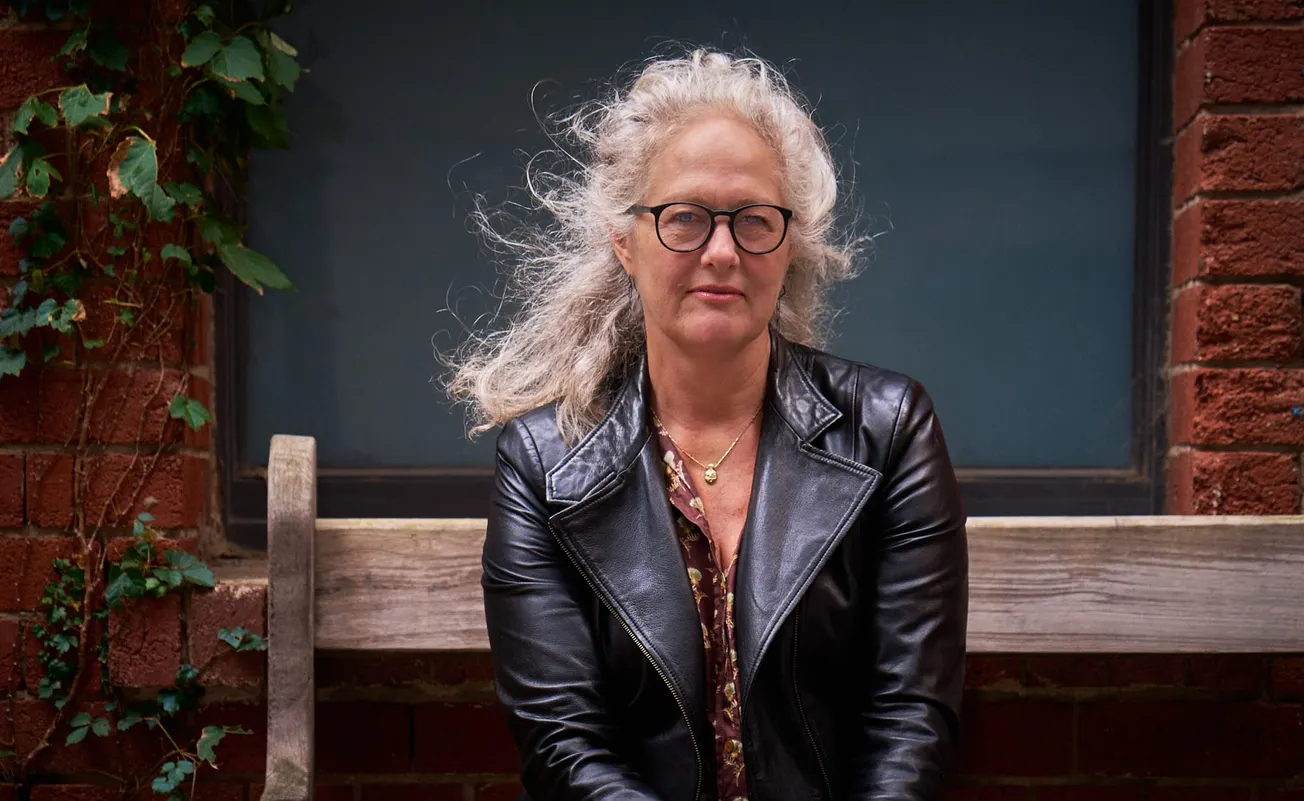
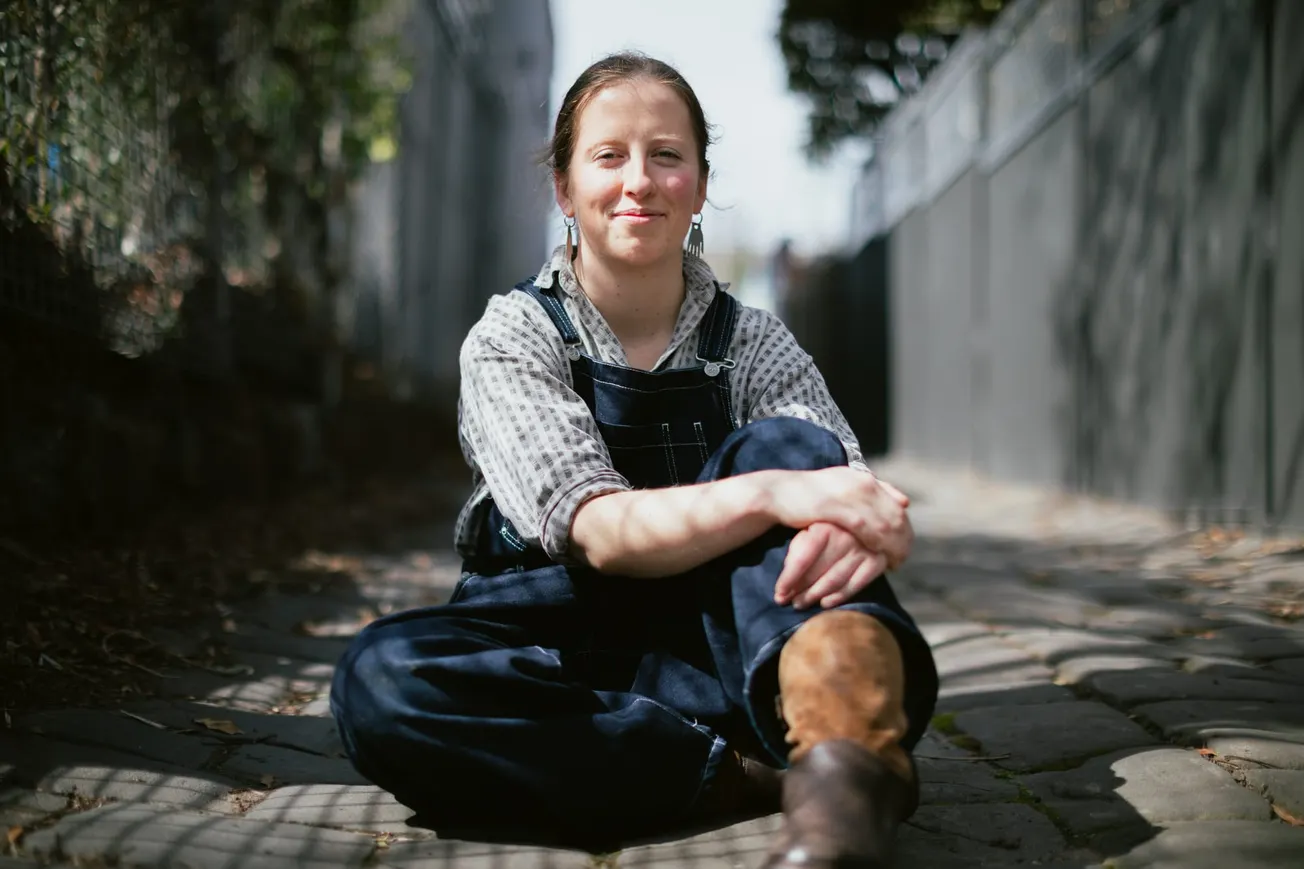
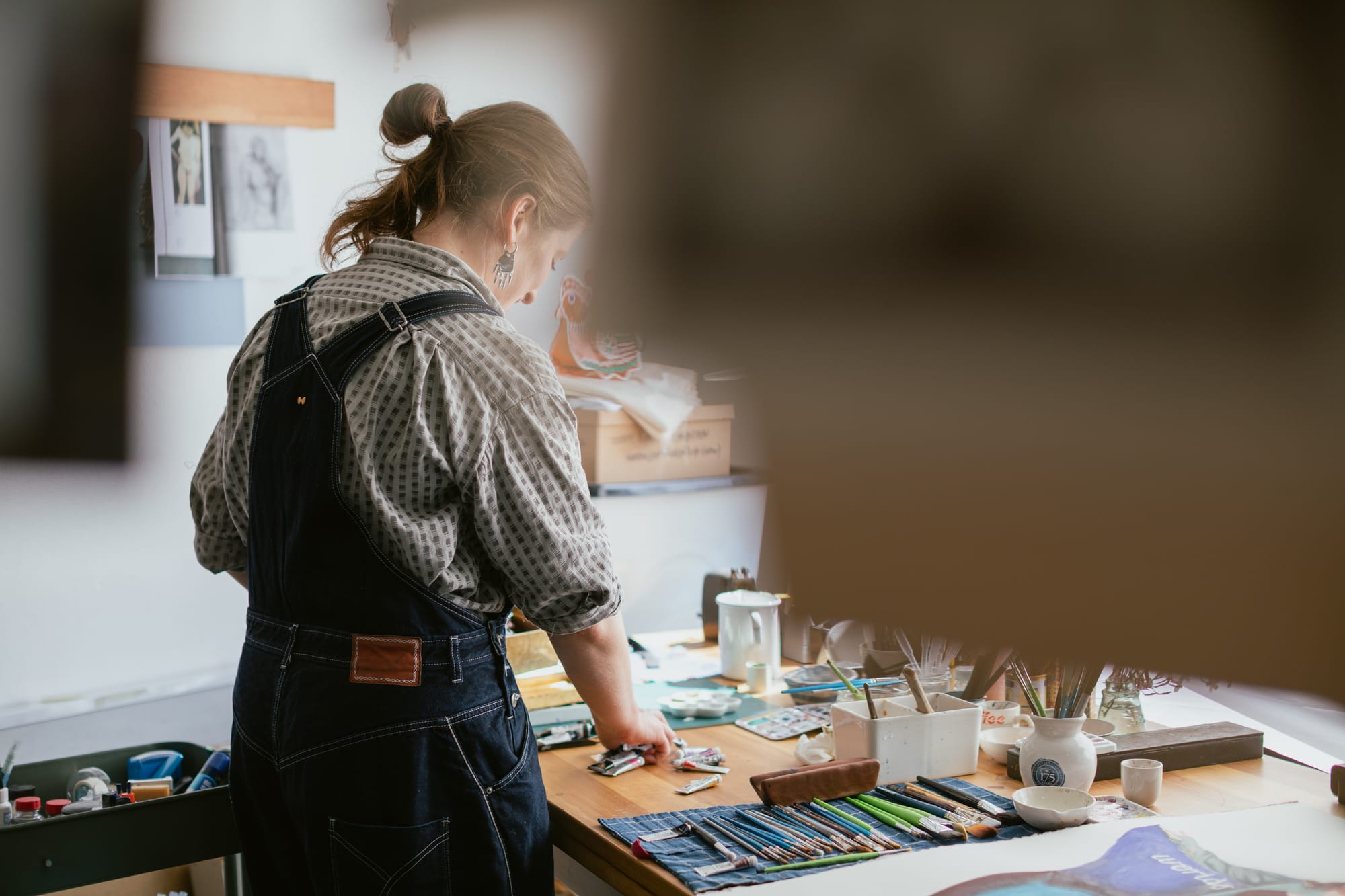
The roller door is up because the light is better that way, which means everyone who walks past gets a look in on Jas Shalimar while she works. She doesn't mind. "People walk past and I've got my nice music playing and they say, oh, it's so tranquil in here. You must be having such a nice time," she says, laughing a little. "Often I am having a lovely time. But it can be quite stressful."
Stressful, because watercolour doesn't forgive. The decisions come constantly and they come fast. A wash goes down wrong, you have seconds to lift the colour back off the page, and depending on the pigment it might not come up at all. Some colours are more staining than others. Shalimar knows exactly which ones.
Her mother cracked the code on all of this recently. Being an artist, she told her daughter, is just decision making. Endlessly. "And that really resonated with me," Shalimar says. "When you're in the moment and it's all happening, you have to work so fast." And yet the paintings take ages. That's the duality she lives inside. Slow pictures built from a thousand subconscious calls. She never learned colour theory and can't lecture you about it, but she doesn't care. She just builds the colour up in layers, slowly, until it's the right one.
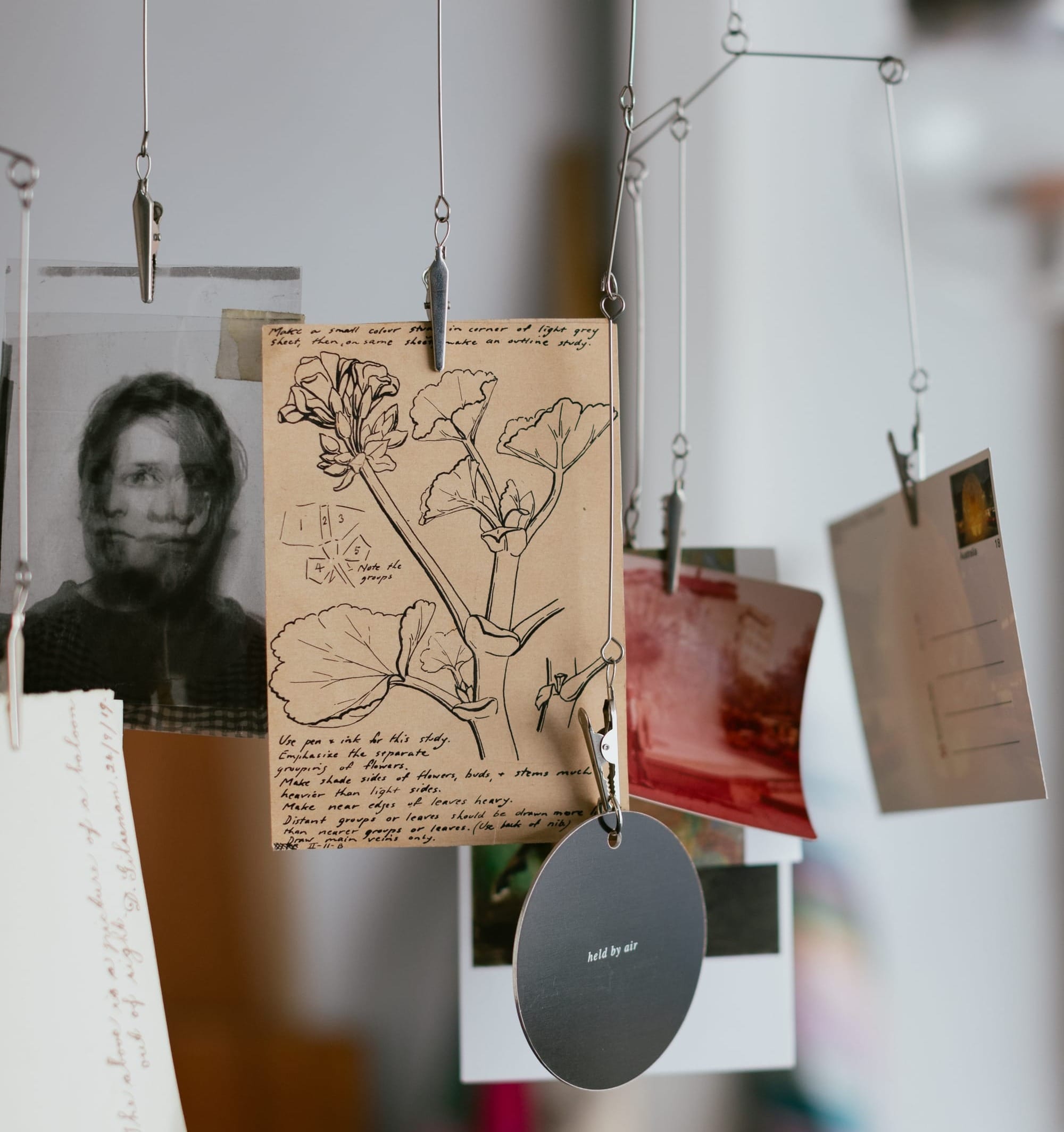
The material used are her playground. She's almost evangelical about it, which makes sense, because when she isn't in the studio, she manages an art supply store and beautiful materials are her entire day. Heavy cotton paper, coated in gelatin, which gives off a smell she can only describe as bodily once the water hits it. The smell of pencil sharpenings. Good brushes. "The materiality for me is everything in the work," she says. "It's probably my greatest concern."
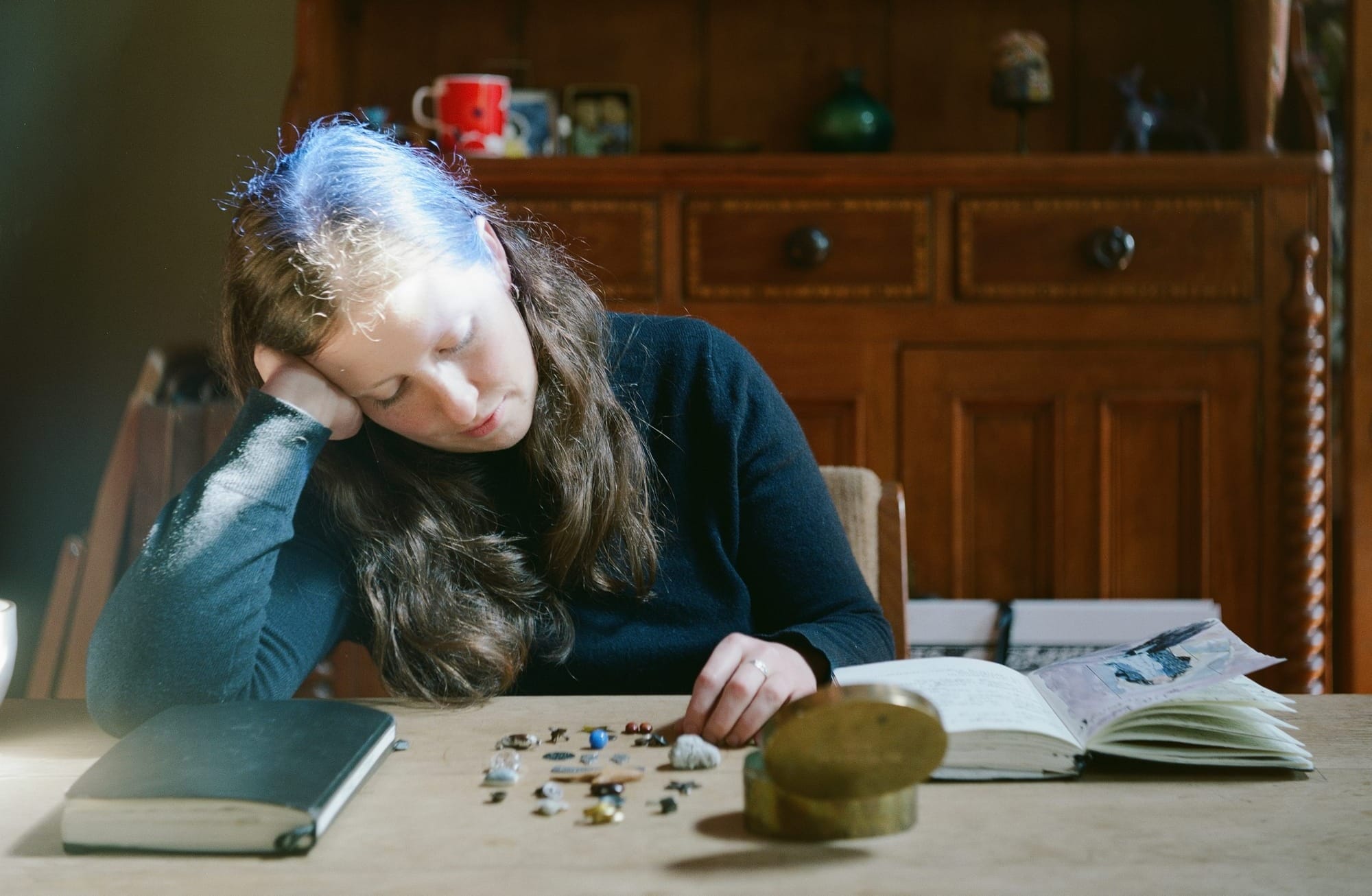
If you asked where it all started, she'll walk you back to childhood without hesitation. Her mother read to the kids constantly. Enid Blyton, The Magic Faraway Tree, The Wishing Chair, and those books built an inner world she's never really left. Her grandmother kept a cabinet of tiny objects that Shalimar studied on every visit like a private museum. And she was already archiving boxes and boxes of journals, letters written to her future self, time capsules. As a kid she was, she says, "really concerned with time passing."
At nine or ten she saw the Beatrix Potter movie and fell for the watercolours. That sensuous, unshowy handling. Her mum bought her a little tin of Winsor & Newton paints, and she's been painting pretty much ever since. Later it was Jann Daly, a family friend who ran kids' art classes that were nothing like kids' art classes. Each week she'd dive deep on a contemporary artist and make work in their shadow. Then in Year 10, online, Shalimar found the Melbourne artists working the crafty, handmade vein, Cat Rabbit, Ghostpatrol, Beci Orpin, and it detonated something. "It made me feel like my world had been lit on fire," she says. She wanted to catapult herself out of school into art school. She did. "That's where life really started happening."
At university she painted thirty-odd watercolour portraits of queer people who'd been killed in a hate crime, and she kept returning to the figure, faces, and her own face. She has the drawing skill, but here's a confession: she traces her images onto the paper. "Drawing is certainly not cool right now," she says, "but there's such an honesty about it. An immediacy."
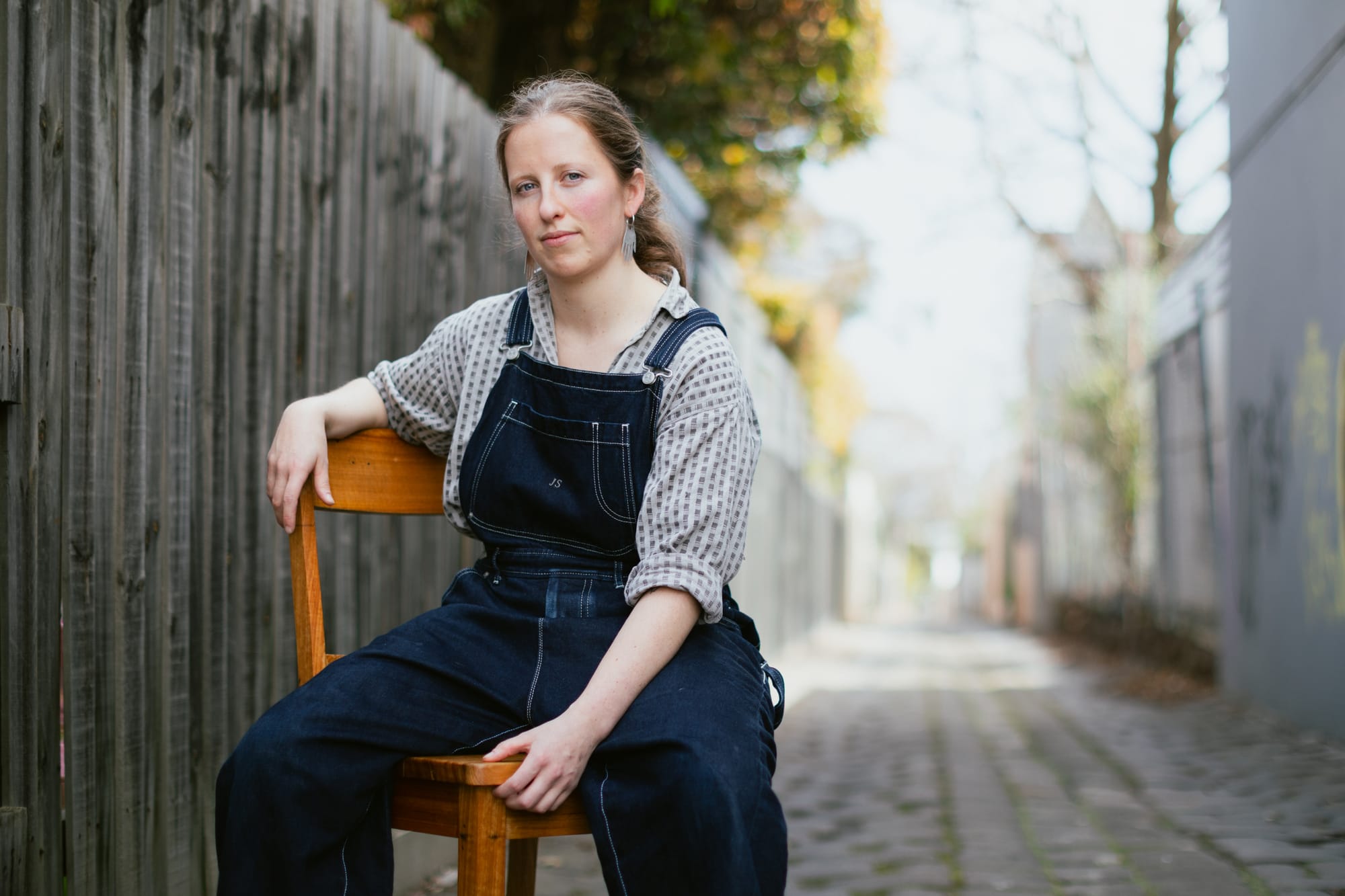
Then there's the chair. Twenty-odd years ago her dad brought home an old Arnott's promotional chair from the Camberwell Market, a relic of biscuit advertising from half a century back, and when the kids kept drawing on it, he did the reasonable thing. He hung it from the ceiling, out of reach. It stayed up there her whole childhood. At uni she asked him to rebuild it with her from reclaimed timber, and over a few weeks they made it again, together. It turns up constantly in her work now, its meaning never fixed "porous and shifting," she says. Meaning made through proximity. Whatever she's dancing around it at the time.
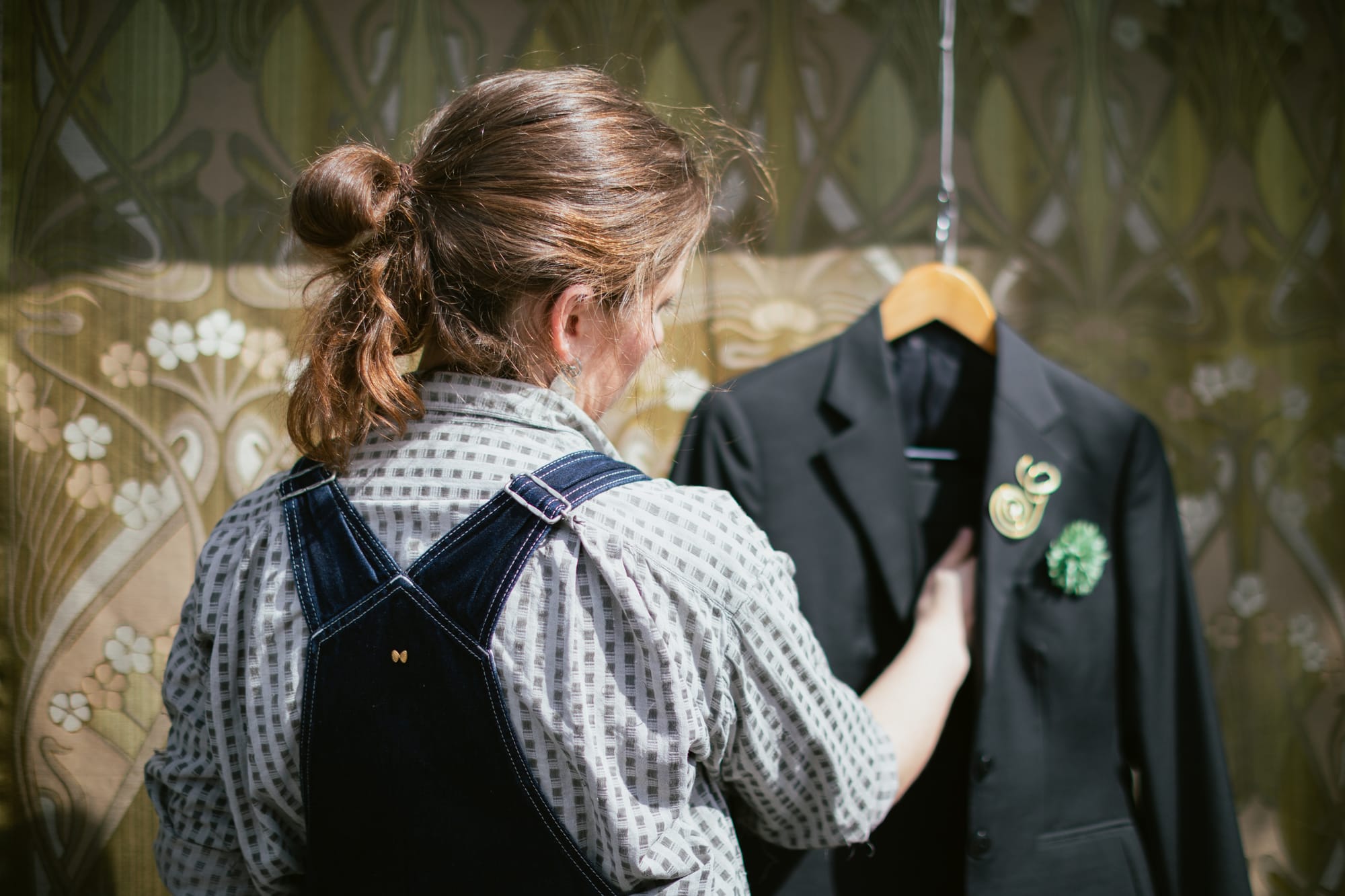
That dance is literal in the new show. The Private Theatre opens October 15 at Mars Gallery in Melbourne and runs to November 14. Twelve large-scale watercolour self-portraits, one for each of Jung's archetypes. The Jester came first, sparked by a medieval costume she couldn't walk past. The magician wears a velvet jacket with beautiful lining, the chair suspended behind her, floating or maybe not, and she cops to the kinship. "I do feel like what I do, there is this inherent magic. Seeing magic in the everyday, and the meaning you create from your life." The lover gave her trouble. She painted herself in a huge red skirt, exposed a line of text onto the backdrop using cyanotype, because everything in these paintings is physically made, real, no shortcuts. She only later realised what she'd actually painted was the ruler. The archetypes, like everything else in her world, refuse to hold still.
She graduated in 2019 and fumbled for a while, as you do. This series, she says, is the most honest work she's ever made. Some of that is about being queer and never quite knowing where you fit, and what it costs to find out. "This project has really helped me sift through my inner world," she says. "Work out what feels true to me. And try on different versions of myself."
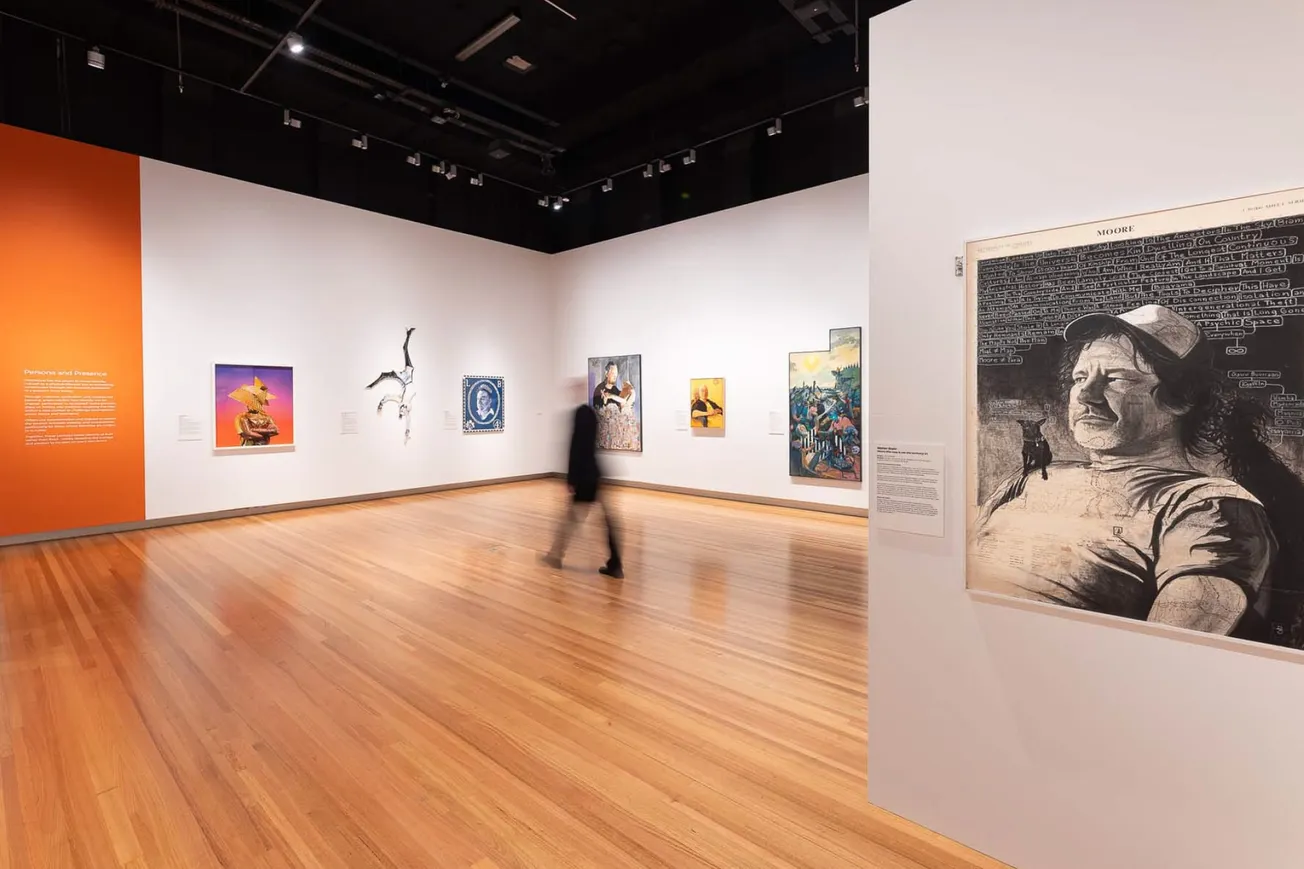
Twelve of them, to be exact. On the wall, for once, behind closed gallery doors.